English
  Español
  Deutsch
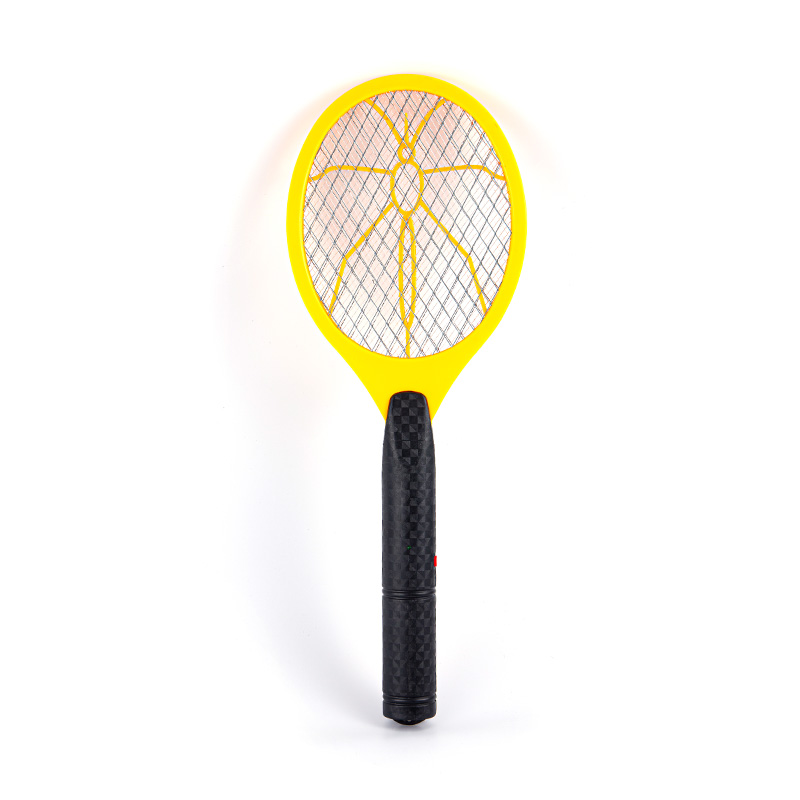
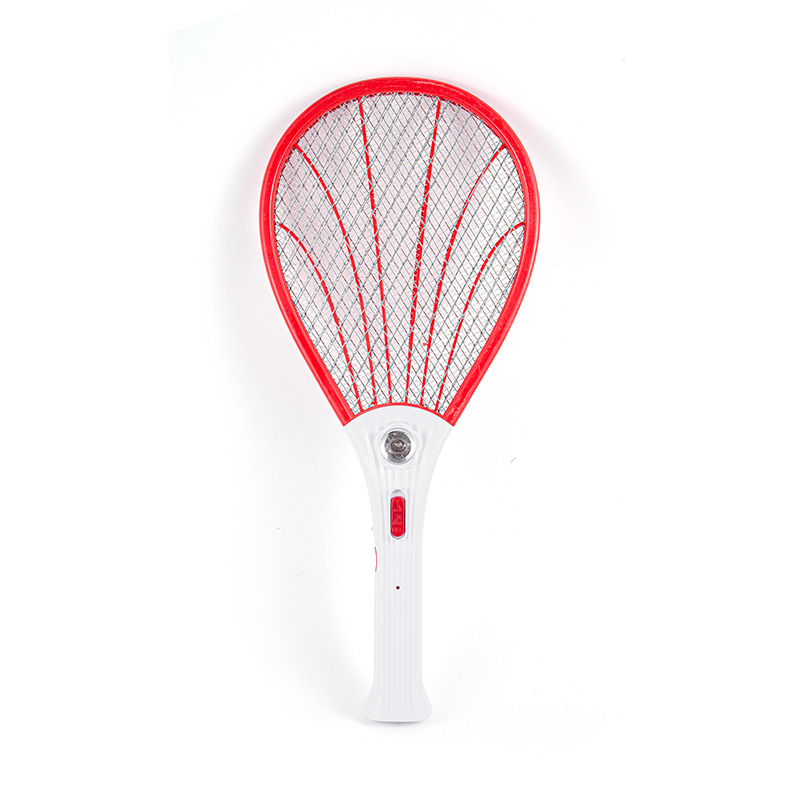



Techniques for Using a High Quality Mosquito Racket
◆ Understand the structure before use
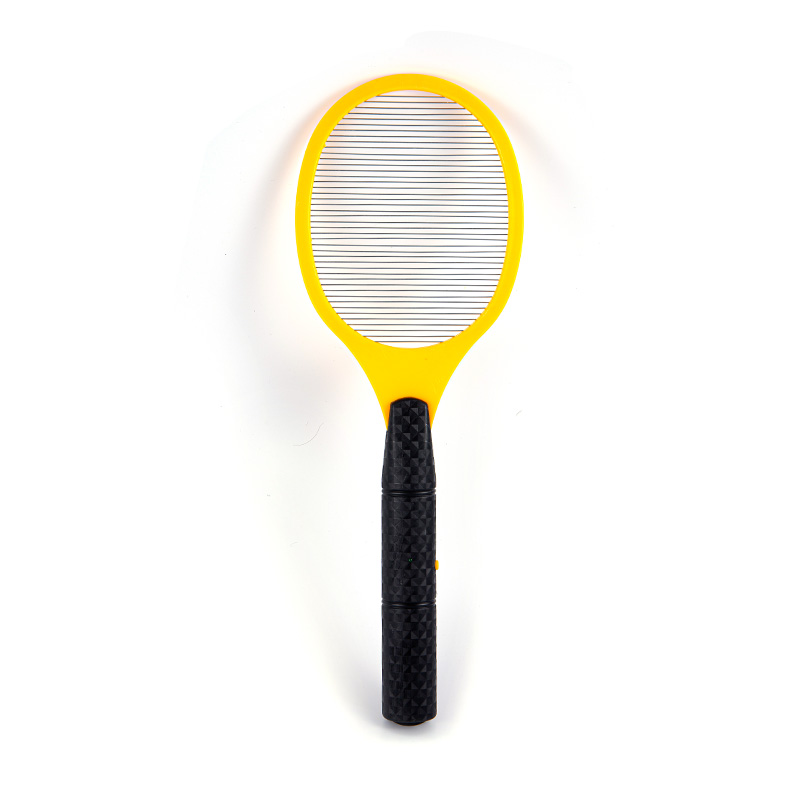
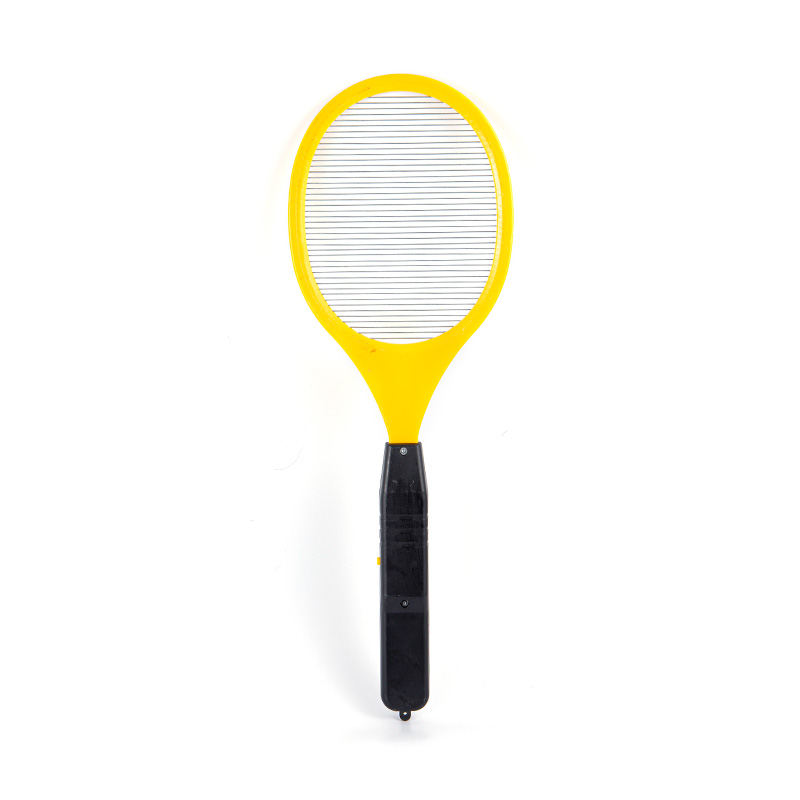
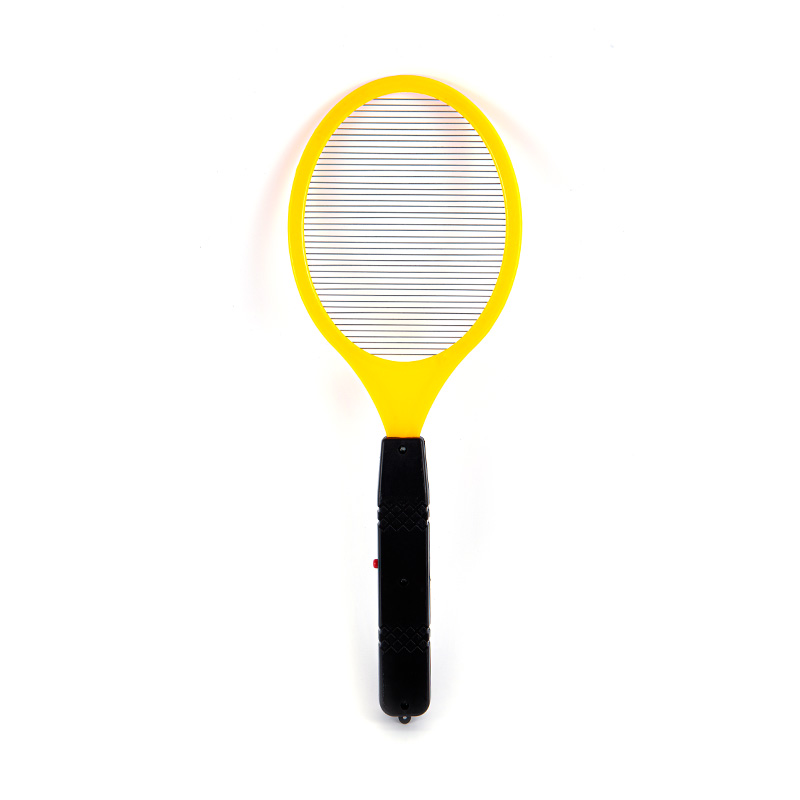
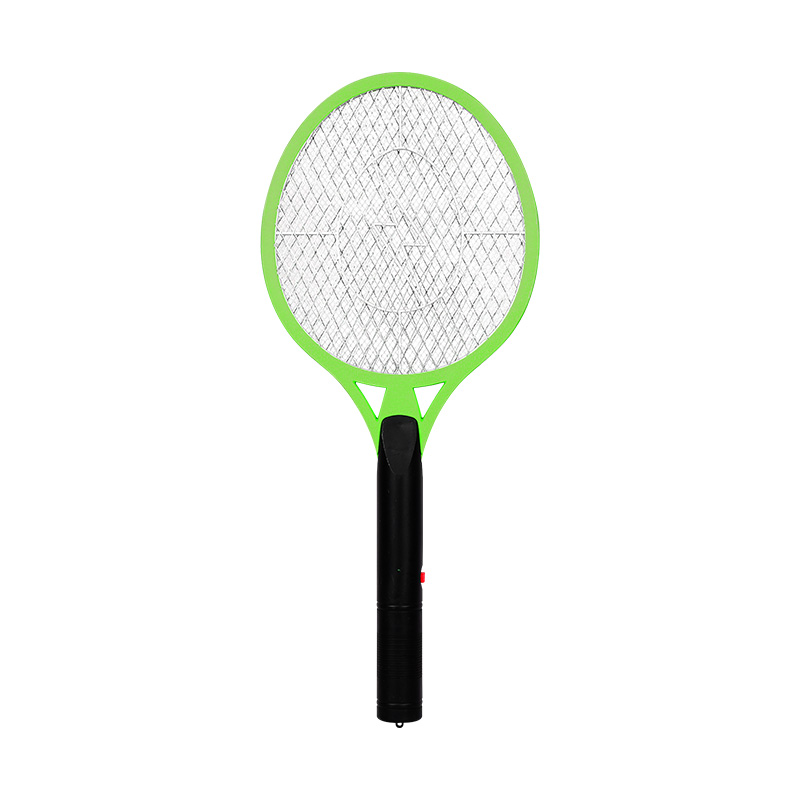
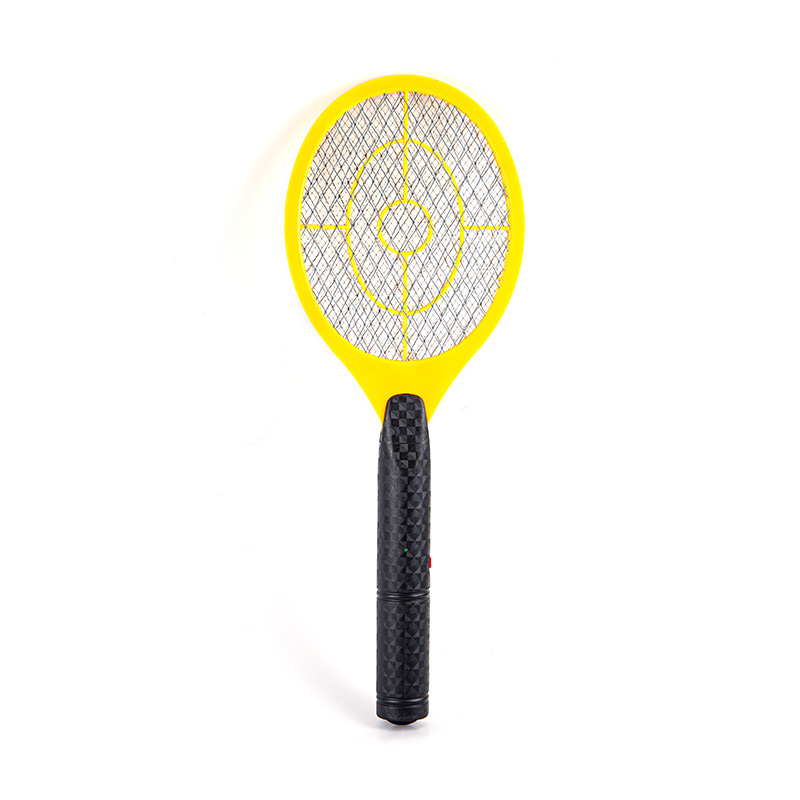
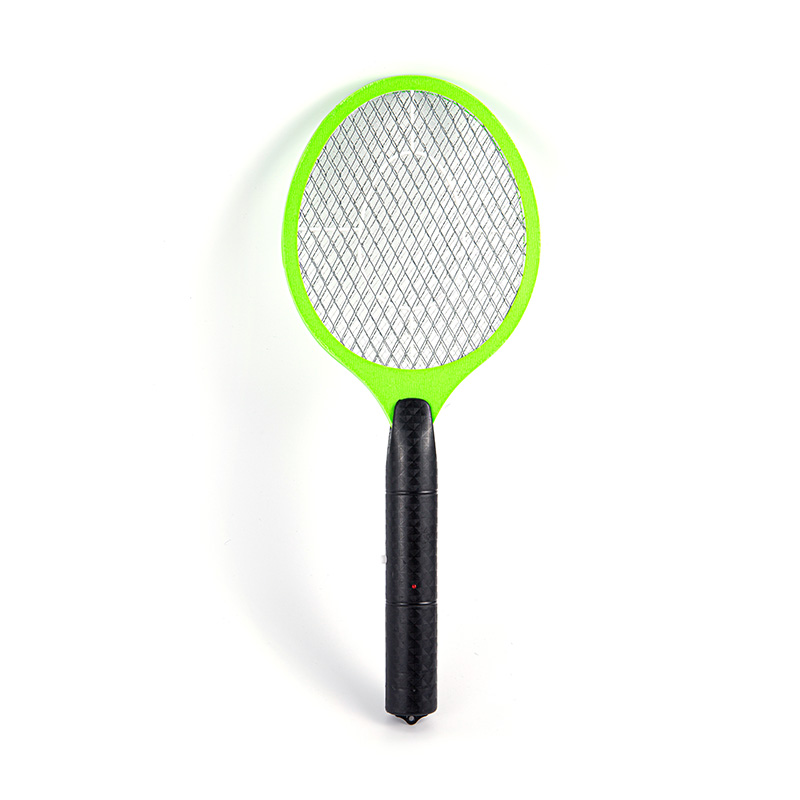
A mosquito racket typically consists of a handle with a power switch, a battery compartment, and a multi-layer metal mesh head. Before use, users should check that the mesh is intact and that the battery is properly charged or installed. This helps ensure stable operation and reduces the risk of malfunction.
◆ Activate the racket only when needed
Many mosquito rackets are designed to remain unpowered until the switch or button is pressed. Activating the electric function only when insects are present helps conserve battery power and limits unnecessary electrical exposure.
◆ Use controlled and deliberate movements
When targeting mosquitoes or flies, slow and controlled swings are generally more effective than rapid or forceful movements. This reduces the chance of damaging the mesh or striking surrounding objects such as walls, furniture, or light fixtures.
◆ Maintain a safe distance from conductive objects
The metal mesh can conduct electricity when activated. Users should avoid contact with water, metal surfaces, or damp environments during operation to prevent short circuits or minor electric shocks.
◆ Clean the mesh after use
After switching the device off, insect residue can be removed using a small brush or dry cloth. Cleaning should only be done when the racket is not powered to avoid accidental shock.
◆ Store the racket properly
When not in use, the mosquito racket should be stored in a dry location, out of reach of children. Proper storage helps extend the product’s service life and maintains consistent performance.
How Does an LED Electric Fly Swatter Work?
LED wholesale electric fly swatter combines basic electrical components with visual indicators to assist users during operation. The following table explains its main working principles and components.
|
Component |
Function |
Practical Explanation |
|
Power Source |
Supplies electrical energy |
Units use rechargeable batteries or standard dry cells to provide low-current electricity suitable for insect control. |
|
Activation Switch |
Controls current flow |
When pressed, the switch allows electricity to flow to the mesh while keeping the circuit open when not in use. |
|
Metal Mesh Layers |
Delivers electric shock to insects |
The mesh usually consists of three layers; insects contacting two charged layers complete the circuit and receive a brief electric discharge. |
|
Voltage Converter |
Adjusts electrical output |
Internal circuitry increases voltage to a level effective for insects while maintaining low current for controlled energy transfer. |
|
LED Indicator Light |
Shows operating status |
The LED light turns on when the swatter is active, helping users confirm that the device is powered. |
|
Protective Outer Frame |
Provides physical separation |
The outer mesh layer reduces direct contact with the energized inner grid during normal handling. |
LED fly swatter remains inactive until the user presses the switch. The LED light signals that the mesh is energized. When an insect touches the electrified layers, a short electrical discharge occurs, which disables the insect. Once the switch is released, power to the mesh is cut off, returning the device to a non-active state.
Are Handheld Fly Swatters Safe for People and Pets?
Electrical Design and Human Safety
Many handheld electric fly swatters are designed with low current output. While the voltage may be relatively high, the current is limited, which reduces the likelihood of serious injury to people during brief accidental contact. Insulated handles and protective mesh layers further reduce direct exposure to energized components when used as intended.
Considerations for Pets
Pets such as cats and dogs may be attracted to moving objects. For this reason, fly swatters should not be used near animals or left within easy reach. Accidental contact with the mesh may cause discomfort, even if the electrical output is limited. Storing the device securely after use helps reduce unintended interaction.
Responsible Use and Environment
Safety is closely linked to user behavior. Electric fly swatters should not be used in wet conditions, near aquariums, or in areas with flammable vapors. Regular inspection for damaged mesh or loose wiring also contributes to safer operation. When handled responsibly and according to general product guidelines, handheld fly swatters can be used with manageable risk for both people and household pets.