


 English
  Español
  Deutsch
 Crafted from durable PC+ABS material, this smart doorbell is built to withstand both indoor and outdoor condit...
See Details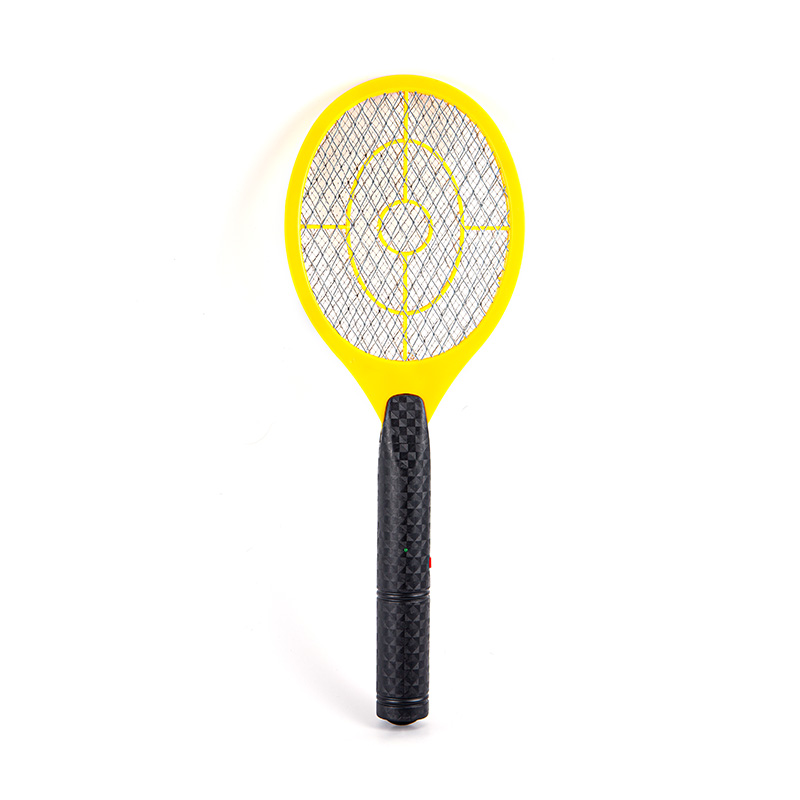
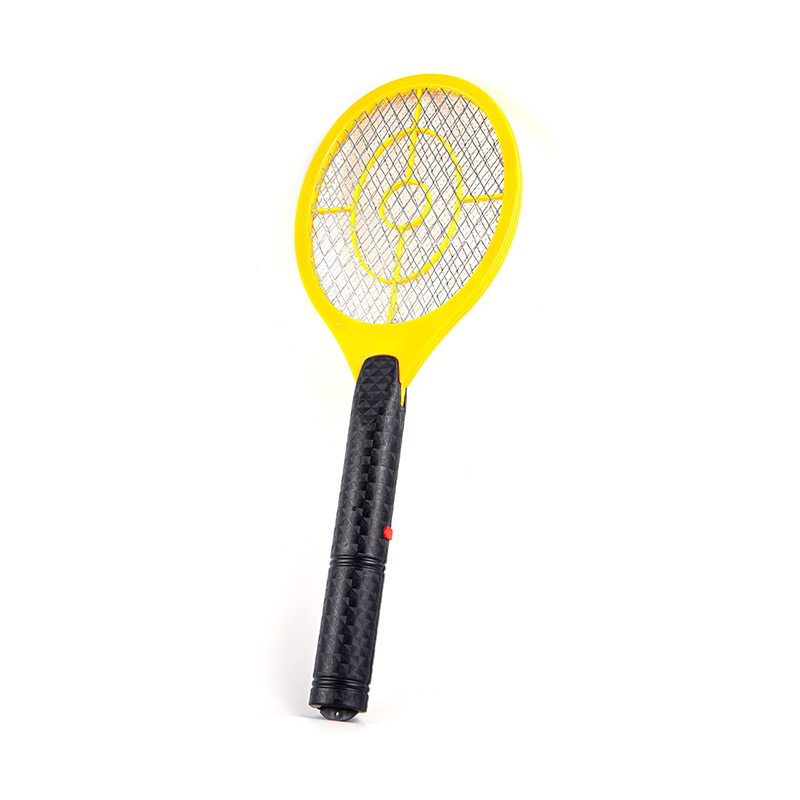
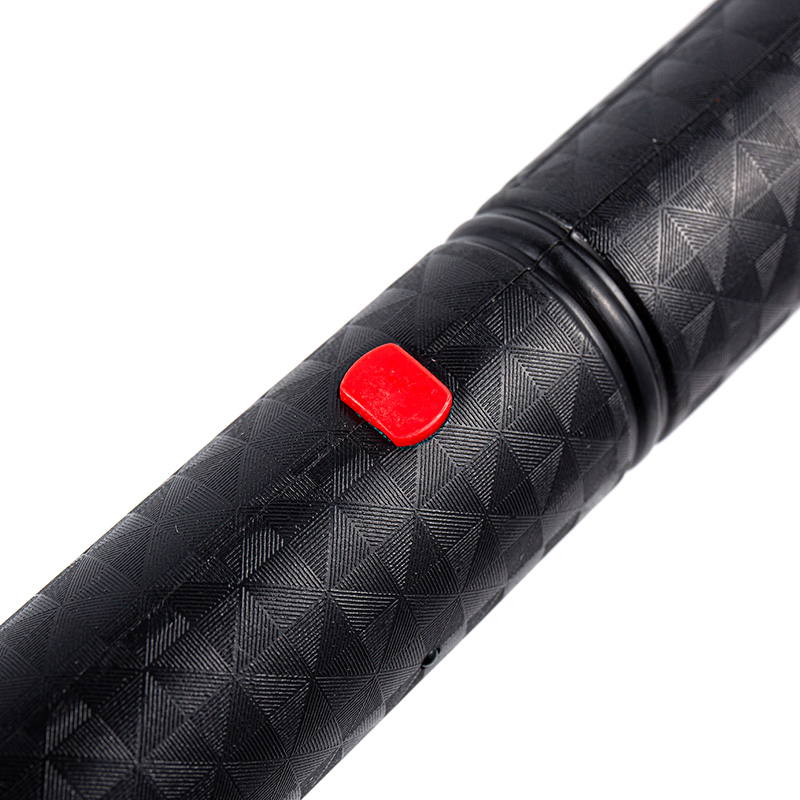
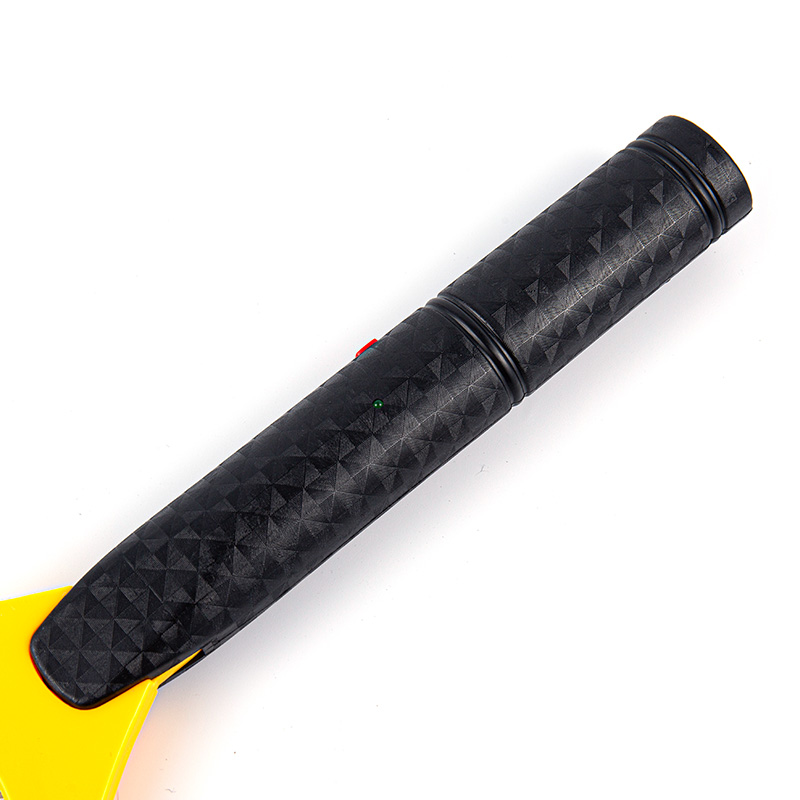
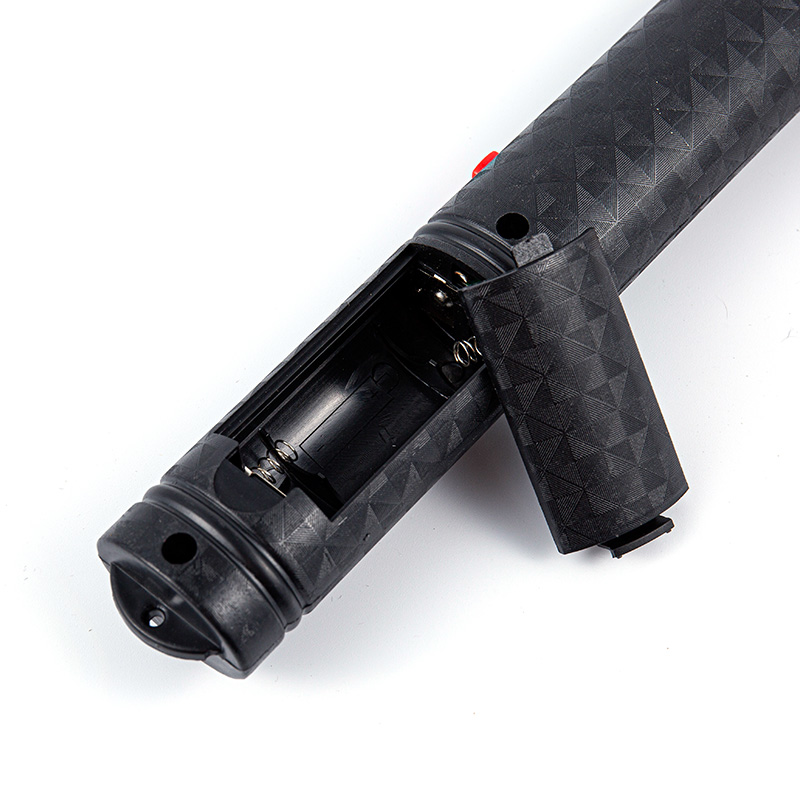
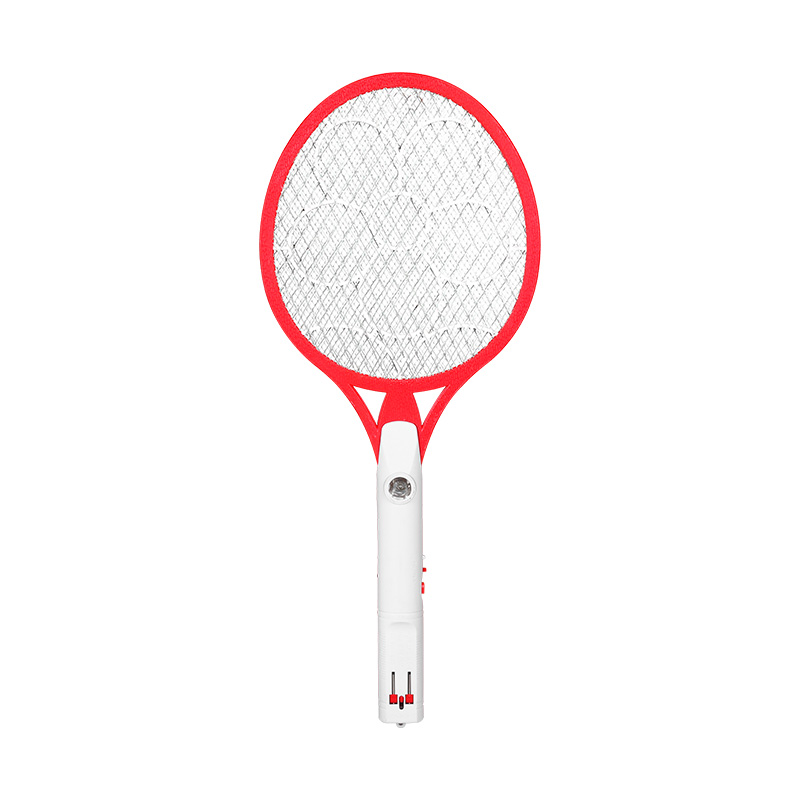
Electric Mosquito Swatter
Dual-Tone Electric Handheld Bug Swatter with Protective Safety Mesh
Weight: 150g Length: 46cm Width: 17.5cm Height: 3.3cm
Brilliant Design Meets Marvelous Manufacturing

Phone Number
+86-579-85865887-
Hundreds of varieties, rich styles, fast update speed
-
Possess patent certificate, ROHS certification, HACPP certification
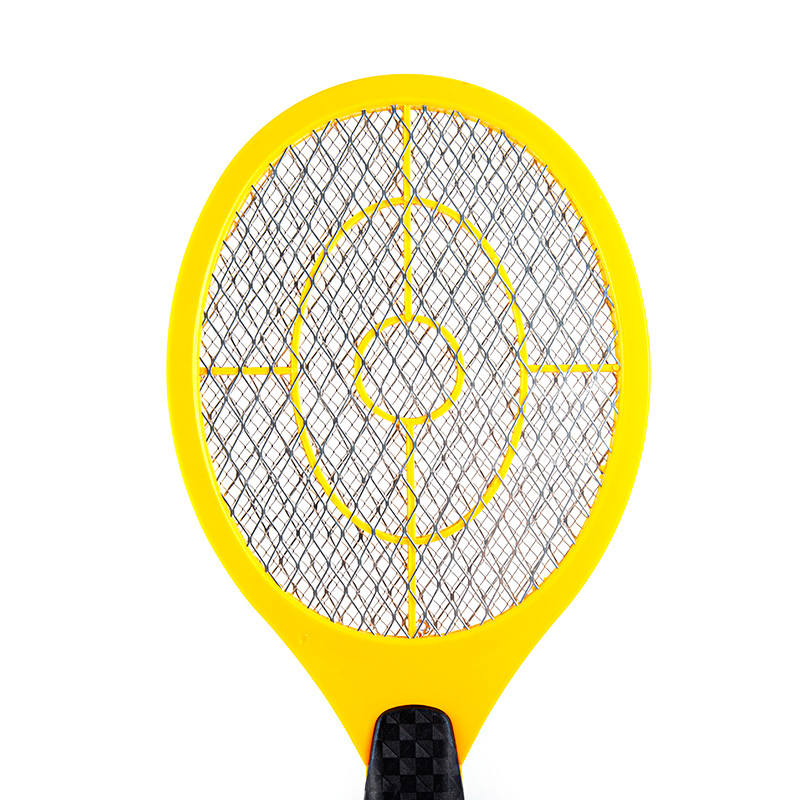
The Dual-Tone Electric Bug Swatter with Protective Safety Mesh is a thoughtfully designed pest control device that combines effective insect elimination with enhanced user safety and functionality. This swatter features a dual-tone electric grid that delivers a powerful shock to flying insects like mosquitoes and flies, ensuring quick and efficient pest removal.
One of the key features is the protective safety mesh surrounding the electric grid. This additional layer acts as a barrier, preventing accidental contact with the high-voltage grid, making it safe to use around children and pets without compromising its effectiveness. The mesh also helps avoid damage to the swatter itself, increasing its durability.
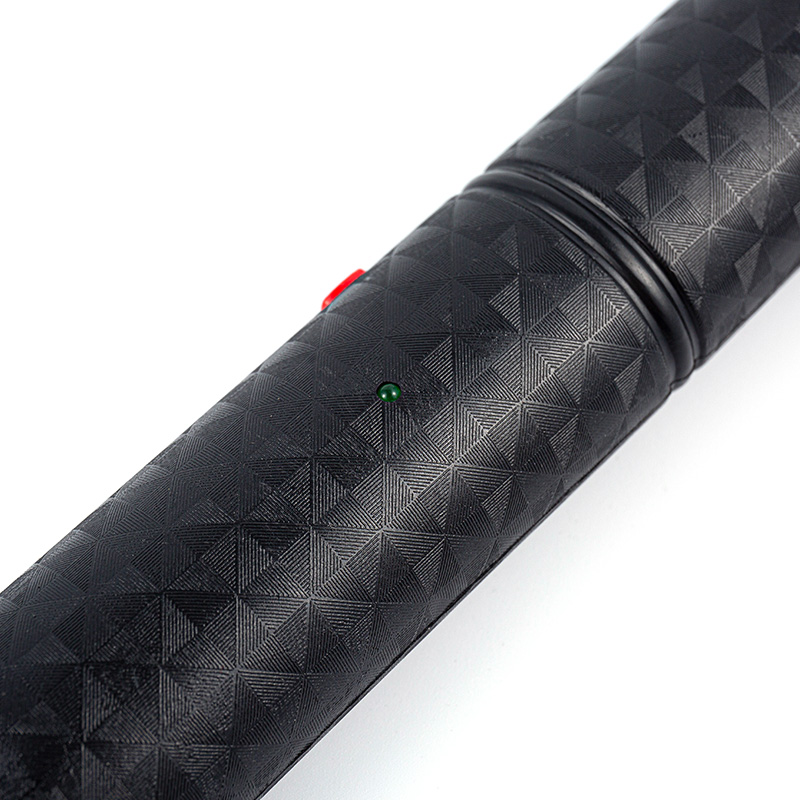
The dual-tone design not only provides a stronger electric charge but also adds a visual cue to help target insects more accurately. The ergonomic handle offers a comfortable and secure grip, reducing hand fatigue during extended use, while the lightweight build makes it easy to maneuver.
Powered by standard replaceable batteries, the swatter offers reliable and consistent performance without the need for frequent recharging. Its user-friendly on/off switch makes operation straightforward for all ages.

10 Years
Experience


About Company
About Jiuxin
YIWU JIUXIN ELECTRIC CO., LTD. is an OEM/ODM Dual-Tone Electric Handheld Bug Swatter with Protective Safety Mesh Supplier and Custom Dual-Tone Electric Handheld Bug Swatter with Protective Safety Mesh Company that produces and processes alarms, key finders, mosquito repellent swatters, anti-theft alarm locks, electronic keyboards, and other related products. The company's headquarters are located at No. 106, Sitong West Road, Shangxi Town, Yiwu City, Jinhua City, Zhejiang Province (5th Floor, Building 3, Yiwu Erhe Toys Co., Ltd.) YIWU JIUXIN ELECTRIC CO., LTD. has a complete and scientific quality management system. The integrity, strength, and product quality of YIWU JIUXIN ELECTRIC CO., LTD. are recognized by the industry.
Related products
-
-
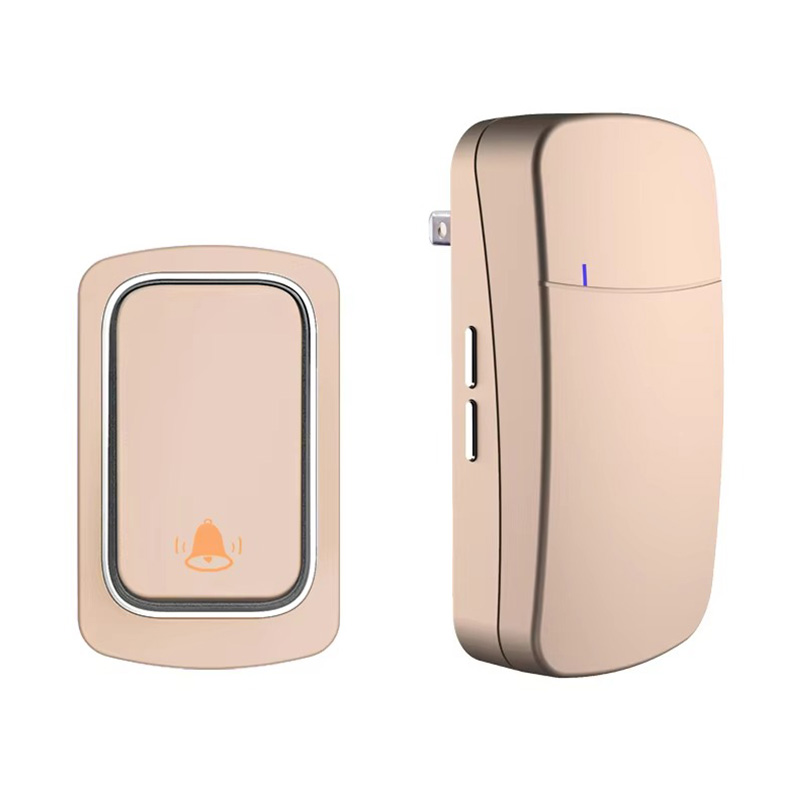
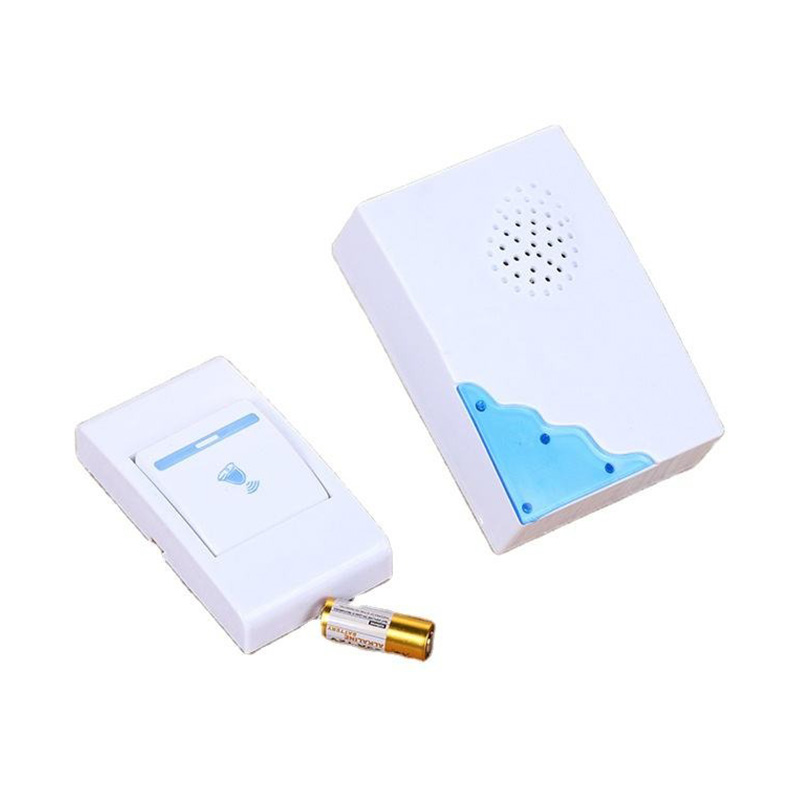
Plastic Wireless Electronic Push Button Doorbell is a modern and efficient way to improve your home entry aler...
See Details -
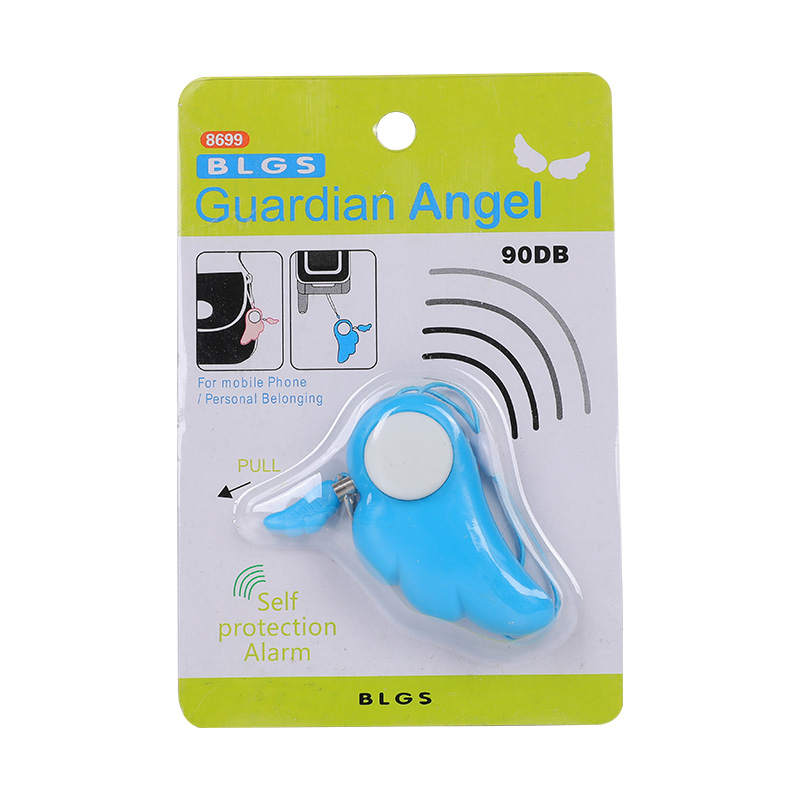
Enhance your home safety with the Security Angle Shape SOS Personal Body Alarm, model BL-002 — a compact and e...
See Details -
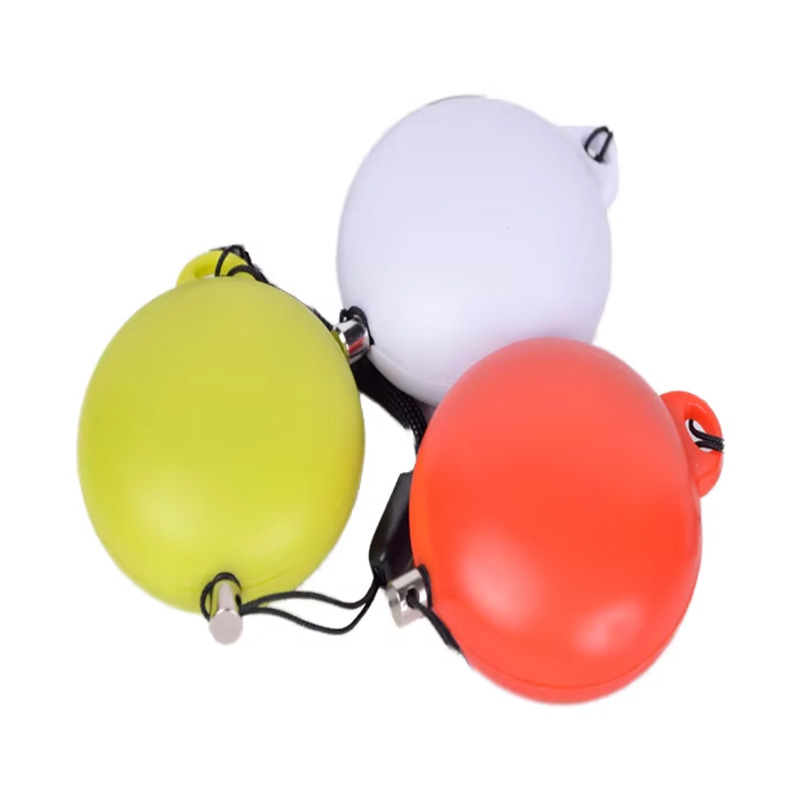
Stay safe and prepared with the Smart Convenient Wireless Personal Emergency Alarm — a modern safety device de...
See Details -
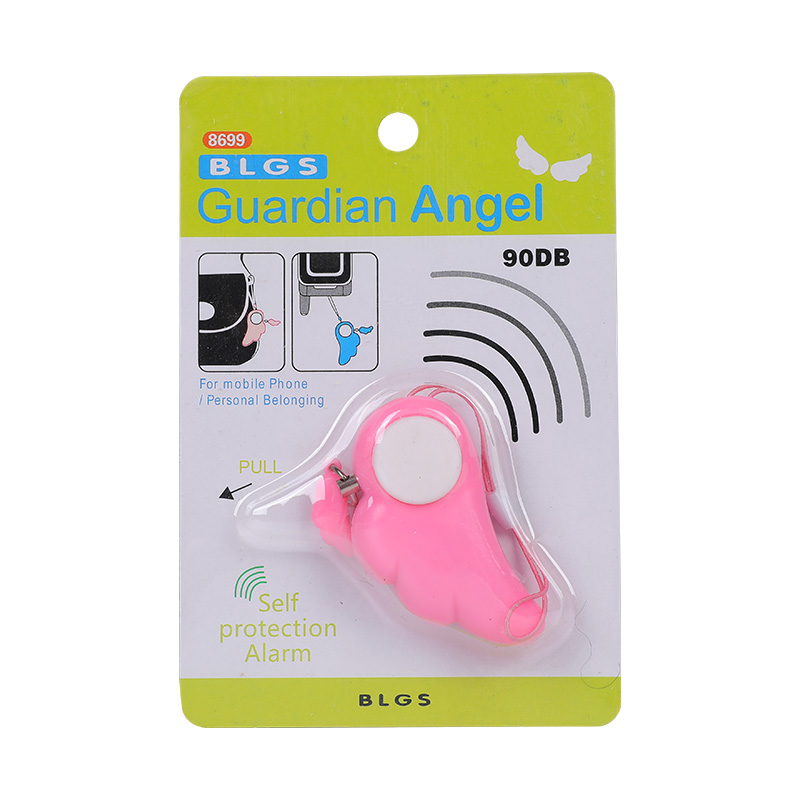
Stay confident and secure wherever you go with the Portable Self-Protection Personal Alarm for Daily Carry Use...
See Details -
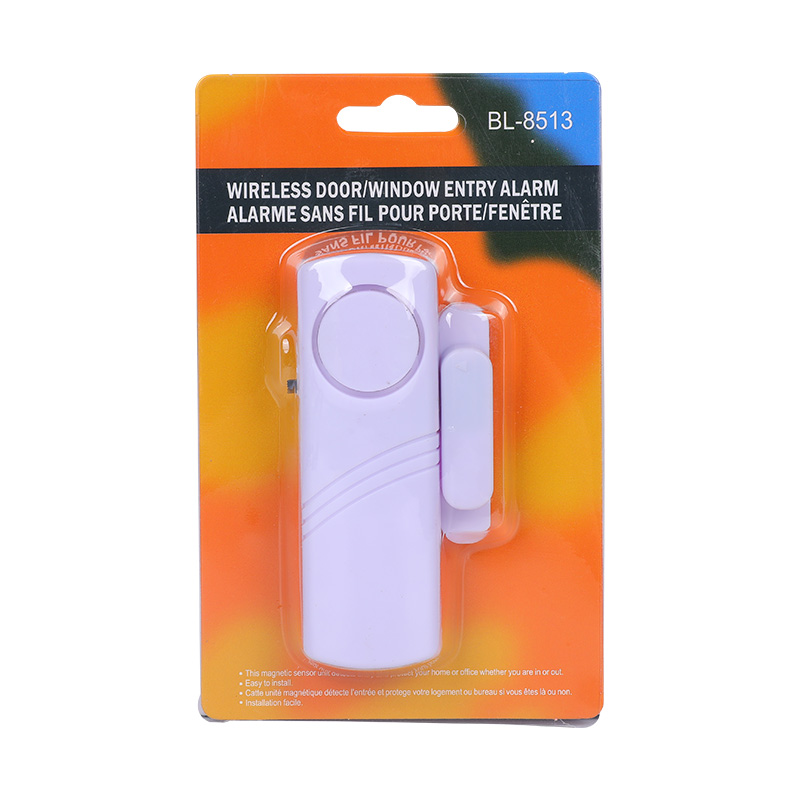
Protect your home and loved ones with the Wireless Magnetic Smart Door Alarm System for Home Safety — a sleek,...
See Details -
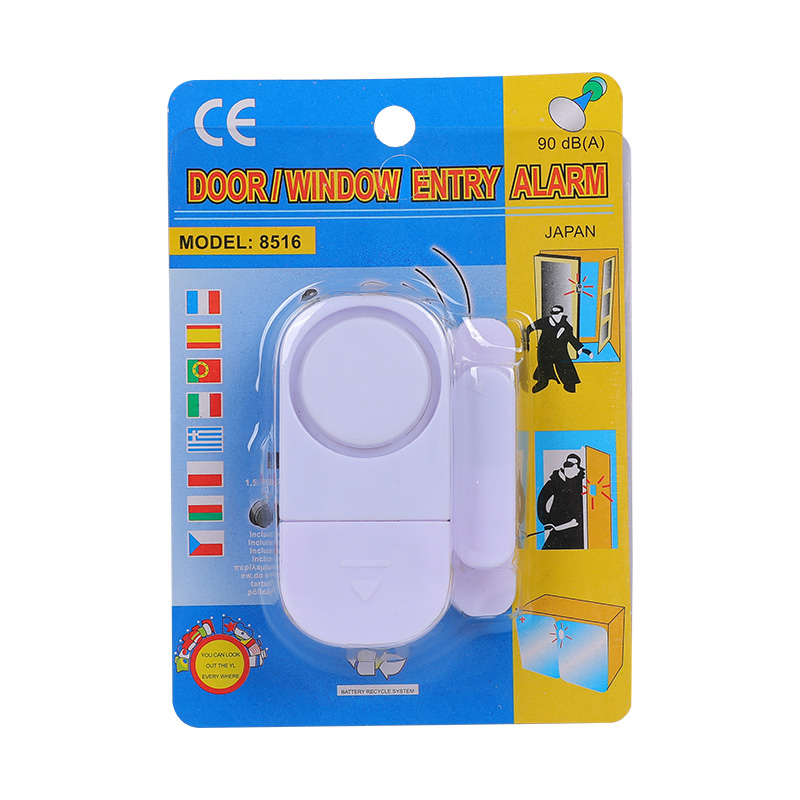
Protect your home with the House Door Alarm with Loud Siren for Home Protection, a powerful and reliable secur...
See Details -
Keep your environment mosquito-free with the Safe and Durable Rechargeable Mosquito Swatter, designed for both...
See Details
NEWS
-
Summer changes the way people use their homes, gardens, balconies, patios, and outdoor recreation spaces, and the appearance of mosquitoes and other flying insects often becomes part of that seasona...
READ MORE -
Mosquitoes can become a small but genuinely persistent problem in a home, especially when people are trying to sleep, relax, prepare food, or spend time near an open window in the evening. The right m...
READ MORE -
Mosquitoes do not keep the same schedule as the people trying to sleep. Activity often rises after dark, when rooms are dim and attention is low. A person lying in bed may hear a faint whine near the ...
READ MORE
Industry Knowledge Extension
What Is the Typical Price of a Handheld Bug Swatter?
The price of a handheld bug swatter varies depending on design, materials, and power source. In general, handheld bug swatters can be divided into non-electric manual swatters and electric models, with noticeable price differences between these categories.
Traditional manual bug swatters, usually made from plastic or flexible rubber, are the affordable option. These products are widely available in supermarkets and household goods stores. Their price is typically low because they contain no electronic components and require minimal manufacturing processes. They are often purchased as basic household tools for occasional insect control.
Electric handheld bug swatters, also referred to as electric rackets, tend to be priced higher due to their internal circuitry, batteries, and safety features. Entry-level electric models powered by disposable batteries are generally priced in a moderate range. These models often include simple on-off switches and standard metal mesh designs.
Rechargeable electric bug swatters usually cost slightly more than disposable battery models. The higher price reflects the inclusion of rechargeable batteries, charging ports, and basic power management circuits. Some models also include indicator lights or additional safety layers, which can influence cost.
Brand reputation, build quality, and place of manufacture also affect pricing. Factory-made products with standardized quality control may be priced higher than unbranded alternatives. Overall, the typical price of a handheld bug swatter ranges from very low-cost manual tools to moderately priced electric devices, allowing consumers to choose based on budget and usage needs rather than necessity for advanced features.
Practical Benefits of a Dual-Tone Electric Bug Swatter in Everyday Life
• Clear operational feedback
Dual-tone electric bug swatters often produce two distinct sounds, such as a charging tone and a discharge sound. These audible cues help users understand when the device is powered and when it has made contact with an insect.
• Reduced uncertainty during use
The presence of different tones allows users to confirm whether the swatter is functioning correctly. This can be useful in low-light environments where visual indicators may be less noticeable.
• Improved user awareness
Sound variation can signal successful contact without requiring close visual inspection. This supports more controlled use and reduces the need for repeated swings.
• Support for safer handling habits
Audible feedback reminds users when the electric mesh is active. This can encourage users to release the power switch promptly after use, reducing unnecessary energy consumption.
• Practical use in quiet or shared spaces
The dual-tone design helps users rely on brief sound cues rather than prolonged operation. This can be useful in shared living environments where extended noise is undesirable.
• Ease of learning for first-time users
For users unfamiliar with electric bug swatters, distinct tones provide simple guidance during operation. This reduces reliance on written instructions and helps users adapt more quickly.
• Compatibility with basic designs
Dual-tone features are often added without complex controls. This means the swatter can retain a straightforward structure while offering additional functional feedback.
Is a Battery Powered Electric Racket Environmentally Friendly?
The environmental impact of a battery powered electric racket depends on materials, battery type, usage habits, and disposal practices. It is better evaluated by comparing contributing factors rather than labeling the product as fully environmentally friendly or unfriendly.
|
Aspect |
Environmental Impact |
Practical Explanation |
|
Battery Type |
Varies by design |
Disposable batteries contribute to waste if not recycled, while rechargeable batteries reduce frequent disposal. |
|
Energy Consumption |
Relatively low |
Electric rackets consume small amounts of electricity compared with large household appliances. |
|
Product Lifespan |
Influences waste volume |
Longer-lasting devices reduce replacement frequency and material waste over time. |
|
Material Composition |
Mixed impact |
Plastic housings and metal meshes require resources, but quantities are relatively small. |
|
Battery Disposal |
Critical factor |
Improper disposal of batteries can cause environmental harm due to chemical leakage. |
|
Rechargeability |
Positive influence |
Rechargeable models reduce the number of batteries entering the waste stream. |
|
End-of-Life Handling |
User-dependent |
Recycling electronic components and batteries reduces environmental impact. |
From a practical perspective, battery powered electric rackets are not inherently harmful to the environment, but they are not impact-free either. Their environmental footprint is influenced mainly by how often batteries are replaced and whether proper recycling practices are followed. Rechargeable models generally generate less routine battery waste, while responsible disposal and moderate usage help limit long-term environmental effects. As with many small household electronics, informed user behavior plays a central role in determining overall environmental impact.
If you are interested in our products, please consult us
CONTACT DETAIL
- Email: xjx@jiuxin1688.com
- Tel: +86-579-85865887
- Phone: +86-19016876999
- Fax: +86-579-85865887
- Address: 5th Floor, Building 3, No. 106 Sitong West Road, Shangxi Town, Yiwu, China
PRODUCTS
MOBILE TEMERNAL

