English
  Español
  Deutsch
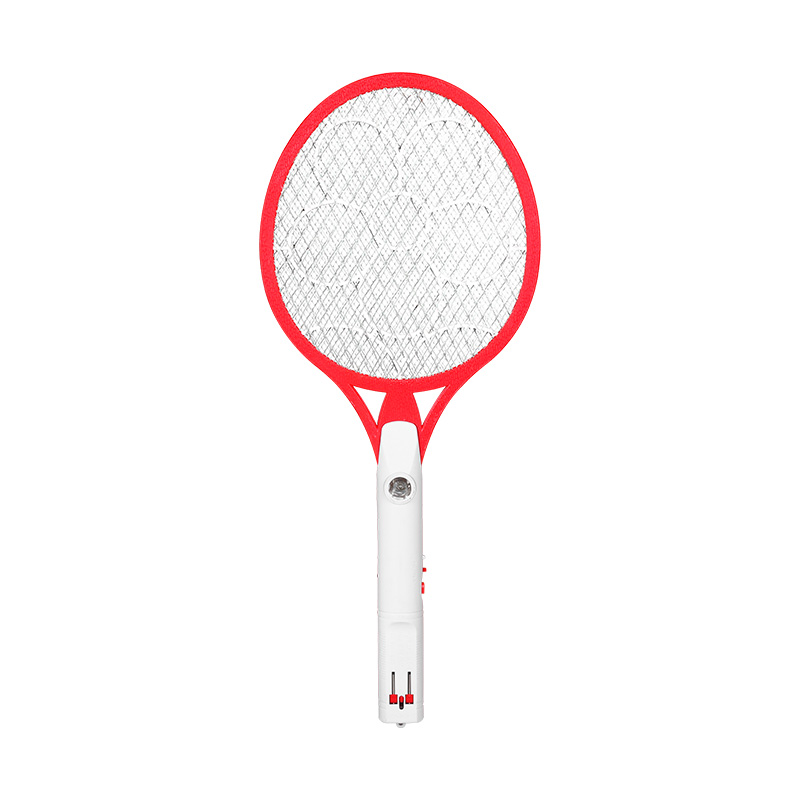
 Electric mosquito swatters are handheld devices designed to control mosquitoes and other small flying insects. They operate by using an electrically charged grid to eliminate insects on contact. These devices have gained use in homes, outdoor areas, and commercial settings due to their portability, convenience, and relatively low operational complexity.
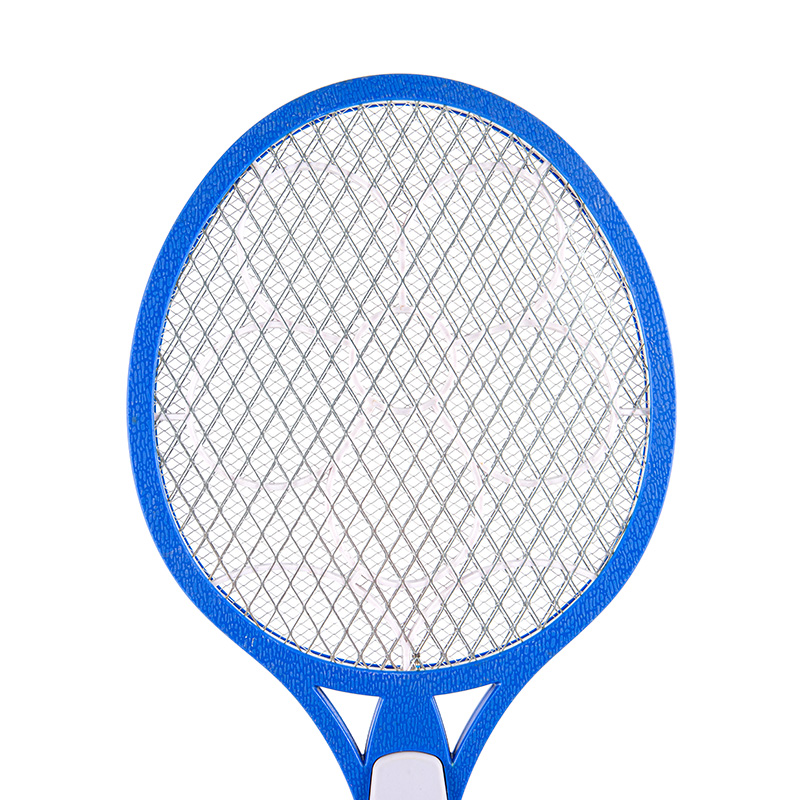
What Are the Processes Involved in the Formation of the Electric Mosquito Swatter?
The production of electric mosquito swatters involves multiple stages, including material preparation, assembly, and quality control. Each stage ensures the device operates safely and effectively.
1. Component Manufacturing
Handle and frame production: Handles and frames are typically made from durable plastic materials, such as ABS, which provide insulation and structural integrity. Plastic components are molded through injection molding techniques to achieve precise shapes and ergonomic designs.
Electrical grid preparation: The grid is made of thin metal wires arranged in multiple layers. These wires are coated or treated to resist corrosion and ensure electrical conductivity.
Battery and circuit preparation: Rechargeable batteries or AA/AAA cells are integrated with simple circuit boards. The circuits regulate voltage to ensure the grid delivers sufficient electrical charge to kill insects without posing a hazard to the user.
2. Assembly
Component integration: The plastic handle, mesh grid, and electronic circuits are assembled. The grid is carefully positioned to maintain spacing and insulation between layers.
Connection and wiring: Internal wiring connects the battery to the grid and control switches. Some models include LED indicators and buttons to activate the device.
Encapsulation and sealing: Once assembled, the device is sealed to prevent accidental contact with the high-voltage grid while still allowing air circulation.
3. Quality Control
Electrical testing: Each unit undergoes voltage and current testing to ensure the grid operates as intended.
Physical inspection: The device is checked for structural defects, proper grid spacing, and secure connections.
Function testing: Samples are tested against insects to confirm effectiveness and reliability.
These steps ensure that the finished swatter meets functional and safety requirements for consumer use.
What Are the Problems with the Electric Mosquito Swatter?
Despite their utility, electric mosquito swatters have several limitations and potential issues that affect performance, durability, and user experience.
1. Safety Concerns
Electric shock risk: While the voltage is designed to be low, improper handling, damage to the insulation, or attempts to bypass safety features can bring about minor shocks.
Children and pets: In households with young children or pets, there is a risk of accidental contact, which can cause injury or distress.
2. Durability and Maintenance
Grid damage: Thin metal wires may bend or break over time, reducing effectiveness.
Battery issues: Rechargeable batteries can lose capacity after repeated charge cycles, while disposable batteries require replacement, increasing operational cost.
Moisture sensitivity: Exposure to water or high humidity can corrode the grid and internal circuitry, reducing lifespan.
3. Limited Effectiveness
Target range: Electric swatters require close contact with insects to work. Mosquitoes flying quickly or in groups may evade contact.
Coverage area: They are handheld devices, so only small areas can be treated at a time, unlike stationary traps or room-scale insect control systems.
User dependence: Effective use depends on timing, accuracy, and attention from the operator.
4. Environmental and Operational Factors
Heat and sunlight exposure: Prolonged exposure to high temperatures can warp the plastic components and degrade battery performance.
Storage considerations: Devices must be stored in dry, cool conditions to prevent corrosion and preserve battery life.