English
  Español
  Deutsch
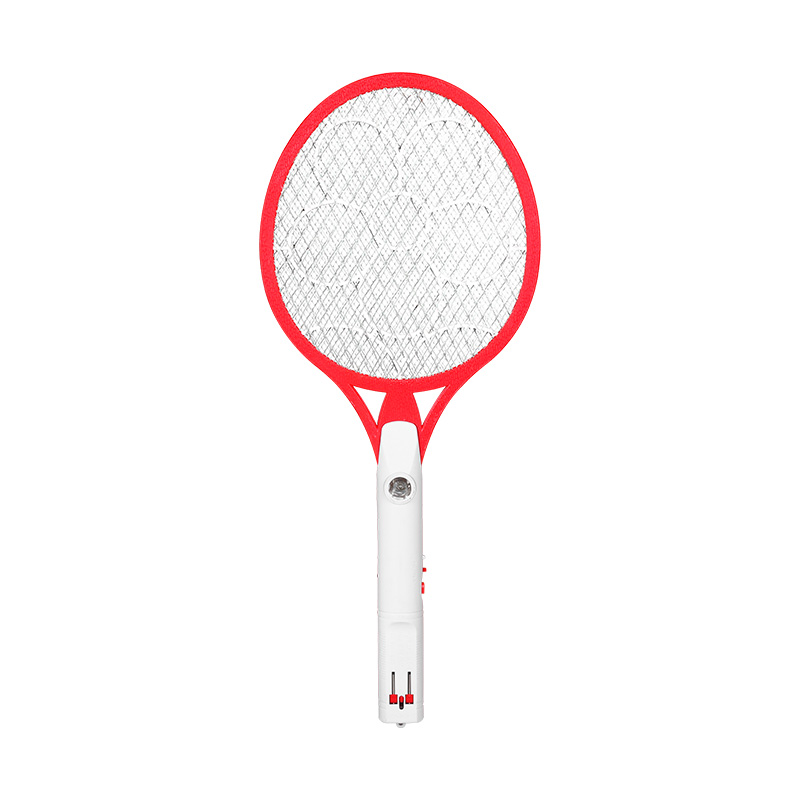
 The operating principle of a two-battery electric swatter involves converting low-voltage DC battery power into a high-voltage, low-current electrical discharge. Understanding this process helps users appreciate the device's capabilities and limitations.
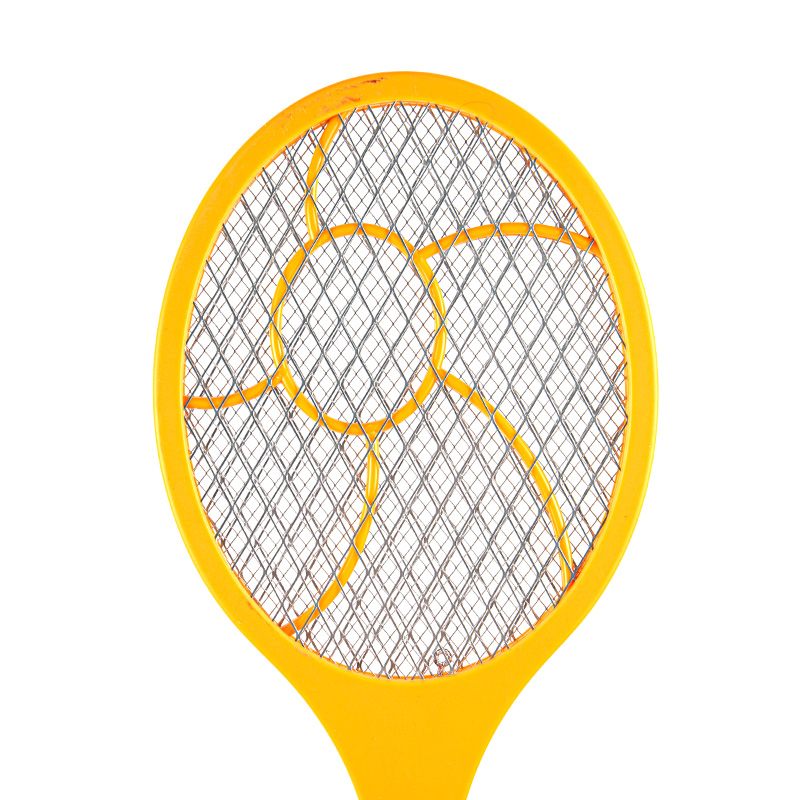
Power Source: Battery Configuration
Two-battery swatters typically use AA or AAA batteries connected in series. When connected in series, the voltage of the two batteries adds together. For example, two 1.5V alkaline batteries produce 3.0V total.
Some devices use rechargeable batteries (NiMH or lithium-ion) in the same form factor, which typically provide 1.2V each for NiMH, resulting in 2.4V total.
The series connection increases the input voltage to the circuit, which affects the design of the voltage multiplier and the final output voltage.
Voltage Conversion: The Oscillator Circuit
The DC voltage from the batteries cannot directly produce the high voltage needed. The circuit converts DC to AC using an oscillator.
The oscillator uses a transistor (typically a silicon NPN type) and a transformer to create a rapidly oscillating current. This switching action creates a changing magnetic field in the transformer.
The oscillator typically operates at frequencies between 10kHz and 50kHz, which is above the range of human hearing, though some devices produce an audible whine.
Voltage Multiplication: The Transformer
The transformer increases the voltage through electromagnetic induction. It consists of primary and secondary windings around a ferrite core.
The turns ratio between primary and secondary determines the voltage increase. For example, if the secondary has 100 times more turns than the primary, the voltage increases approximately 100-fold.
With 3V input, a transformer with a 100:1 turns ratio produces approximately 300V AC. This is then further multiplied by subsequent stages.
Voltage Multiplication: The Multiplier Stage
Many swatters use a voltage multiplier circuit, typically a Cockcroft-Walton multiplier, which uses diodes and capacitors to increase voltage further.
The multiplier converts the AC from the transformer to higher-voltage DC, typically reaching 500V to 3,000V depending on the circuit design and number of stages.
The output is high voltage but very low current, typically measured in milliamps or microamps. This combination is lethal to small insects but generally safe for humans due to the current limitation.
The Discharge Grid: Delivery System
The high voltage is applied to a multi-layer metal grid. When an insect bridges the gap between grids, the voltage discharges through its body.
The discharge current kills the insect through electrical shock and heating. The characteristic snapping sound is the arc forming and the insect's body fluids vaporizing.
How Long Do Batteries Last in Two-Battery Swatters?
Battery life varies significantly based on battery type, usage patterns, and circuit design. Users should have realistic expectations about how long a set of batteries will last.
Factors Affecting Battery Life:
Battery chemistry: Alkaline batteries typically provide longer life than zinc-carbon batteries but are more expensive. Lithium primary batteries (not rechargeable) offer the longest life but are rarely used in these devices.
Usage frequency: Each activation of the high voltage draws current from the batteries. Occasional use (a few minutes per day) can yield weeks or months of operation. Continuous activation drains batteries much faster.
Standby drain: Some circuits draw a small current even when not actively swatting, particularly if they include LED lights or keep the oscillator partially active. Good designs minimize this standby drain.
Circuit efficiency: More efficient oscillator and multiplier circuits convert a higher percentage of battery energy to grid voltage, extending battery life.
Typical Battery Life Expectations:
For alkaline AA batteries in moderate use (10-15 minutes of cumulative activation per week), users can expect 2 to 4 months of operation.
For zinc-carbon batteries, life is significantly shorter, typically 2 to 6 weeks under the same usage pattern.
Rechargeable NiMH batteries (typical capacity 2,000-2,500mAh for AA) provide run time comparable to alkalines but can be recharged hundreds of times.
Devices with LED attractant lights draw additional current, reducing battery life by approximately 20-40% depending on the LED efficiency.
Signs of Low Battery:
Reduced spark intensity and volume of the discharge snap.
Dim or flickering indicator LEDs.
Failure to kill insects on contact, requiring multiple strikes.
Inconsistent operation or failure to activate when the button is pressed.