English
  Español
  Deutsch
 Handheld bug swatters are tools designed to control flying and crawling insects in homes, outdoor spaces, and commercial areas. They provide a quick and accessible solution for managing pests such as mosquitoes, flies, and gnats. Handheld bug swatters vary in design, materials, and functionality, offering options from simple manual models to electrically charged devices.
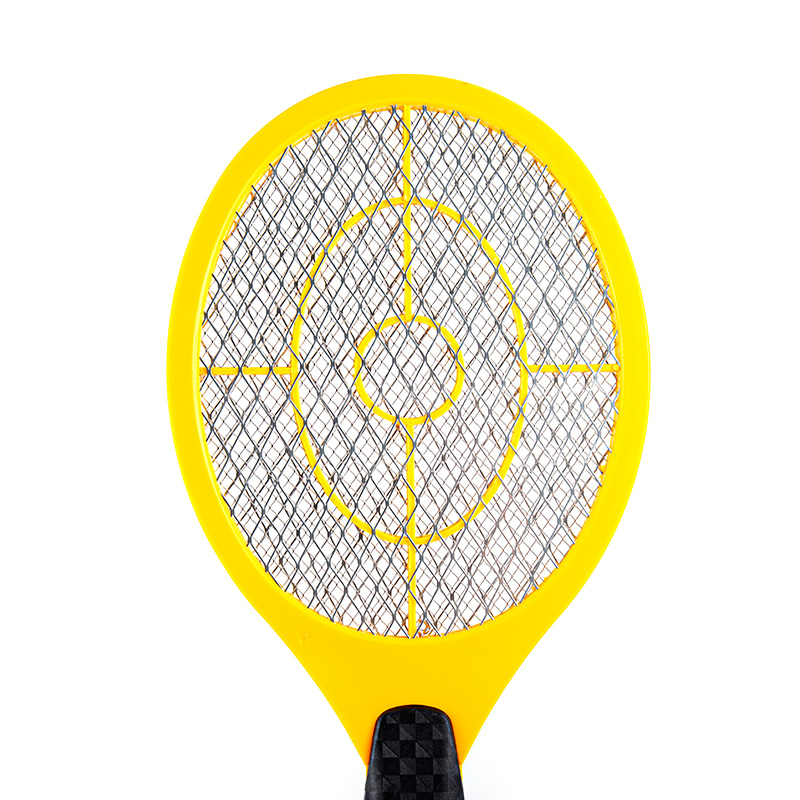
What Types of Handheld Bug Swatters Are There?
Handheld bug swatters can be broadly classified into two main categories based on their operational mechanism and structure.
1. Manual Swatters
Traditional fly swatter: Typically made with a plastic or metal mesh attached to a lightweight handle. The mesh strikes insects directly, requiring physical force to eliminate them.
Flexible models: Some manual swatters use a flexible mesh or rubberized surface to reduce rebound and improve contact with the target.
Foldable or portable designs: Certain models can collapse or fold for easy storage and transport, which is useful for outdoor activities or travel.
2. Electric Swatters
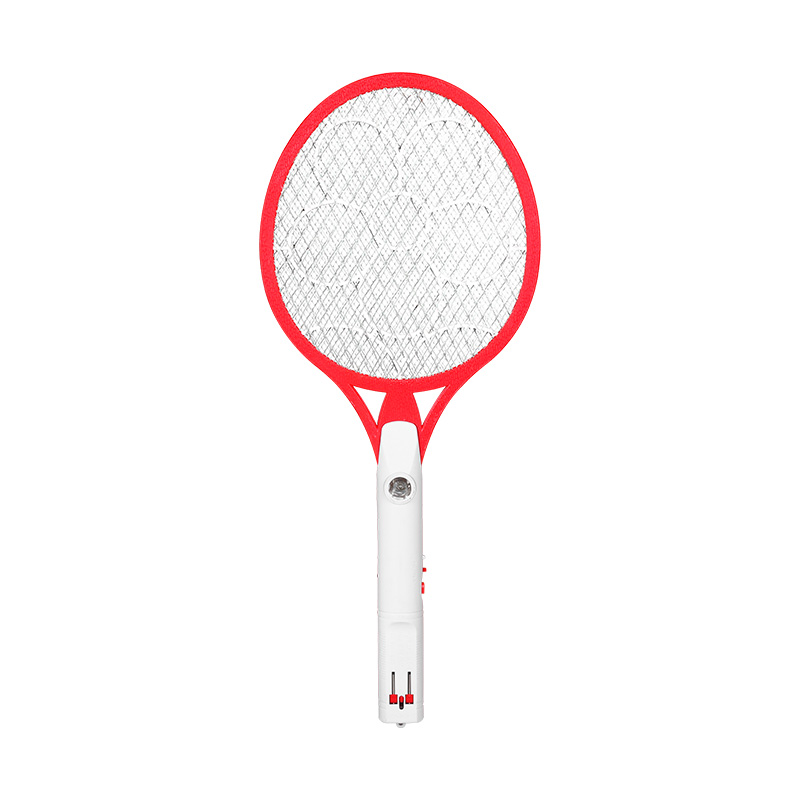
Battery-powered or rechargeable swatters: These models have an electrified metal grid that delivers a low-voltage shock to insects on contact.
LED-equipped swatters: Some electric models include LED lights to attract insects, improving the likelihood of contact.
Multi-layer grids: Designs with dual or triple-layered metal grids offer protection to the user while maximizing insect contact.
Both manual and electric types provide different advantages in terms of speed, effectiveness, and maintenance requirements. Consumers can choose based on convenience, intended usage, and personal preference.
Why Is a Handheld Bug Swatter Worth Buying?
Handheld bug swatters offer several practical benefits, which make them a popular choice for households and outdoor spaces.
Convenience and Accessibility
Quick response: Swatters allow immediate action against flying insects without the need for chemical sprays or traps.
Portability: Lightweight designs can be carried around easily, making them suitable for indoor and outdoor use.
Ease of storage: Many swatters are compact or foldable, allowing convenient storage in drawers or outdoor equipment kits.
Safety and Environmental Considerations
Chemical-free operation: Manual and electric swatters reduce the need for insecticides, which may leave residues or affect air quality.
Reduced health risks: By avoiding sprays and traps, users minimize exposure to potentially harmful chemicals, which is particularly important in homes with children or pets.
Localized action: Swatters target individual insects without affecting the surrounding environment, making them suitable for selective use.
Cost-Effectiveness
Low purchase and maintenance costs: Basic manual swatters are inexpensive, and electric models require minimal energy or battery replacement.
Durability: With proper use, both manual and electric models can last for extended periods, offering a practical investment for pest management.
These factors make handheld bug swatters a convenient and accessible option for people seeking practical insect control.
How Is the Design of a Handheld Bug Swatter?
The design of handheld bug swatters combines ergonomic, functional, and safety considerations.
Handle and Frame
Materials: Handles are typically made from lightweight plastics or metals, providing sufficient strength while minimizing fatigue during use.
Ergonomics: Handles are designed to fit comfortably in the hand, with non-slip surfaces or textured grips to improve control.
Length: Handles vary from short, indoor-use sizes to longer versions that allow reaching insects on ceilings or outdoor areas.
Swatting Surface
Manual models: The mesh or paddle area is made from flexible plastic, metal, or rubberized materials to increase contact with insects.
Electric models: Electrified grids consist of insulated layers to prevent accidental shocks while allowing contact with insects. Multi-layer grids enhance safety and effectiveness.
Shape and size: The swatting surface is generally flat and rectangular, though some models have rounded edges or slightly larger contact areas for improved coverage.
Additional Features
LED lights: In electric models, LED lights can attract insects to the swatter, particularly in low-light conditions.
Rechargeable options: Electric swatters often include built-in batteries and USB charging ports for convenient power replenishment.
Protective casing: Some designs incorporate protective guards around the electrified grid to prevent accidental human contact.
The combination of ergonomic handles, appropriate surface materials, and safety features ensures that handheld bug swatters can be used effectively and comfortably in various settings.