English
  Español
  Deutsch
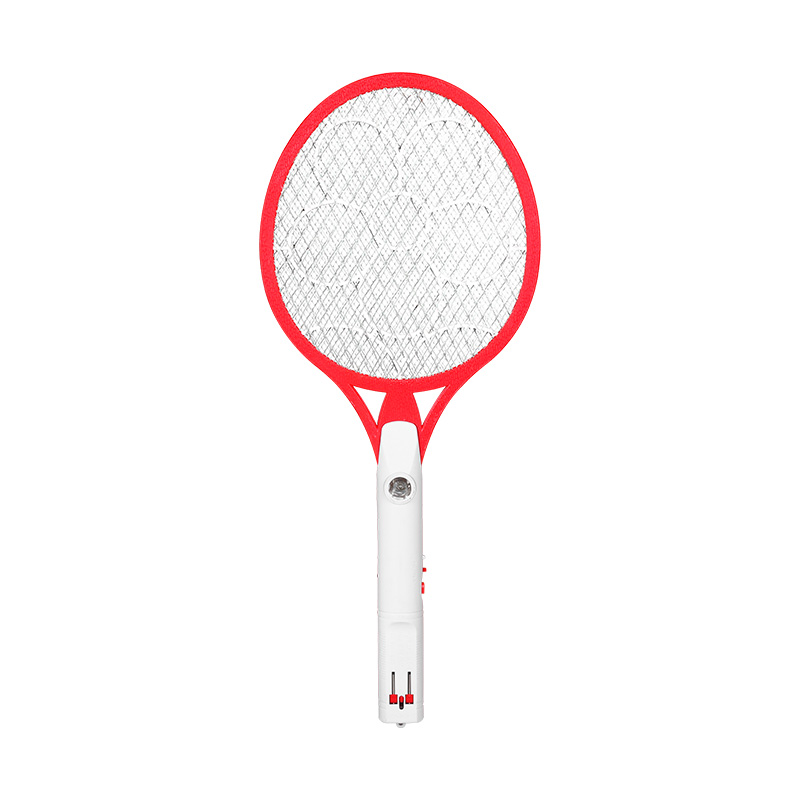
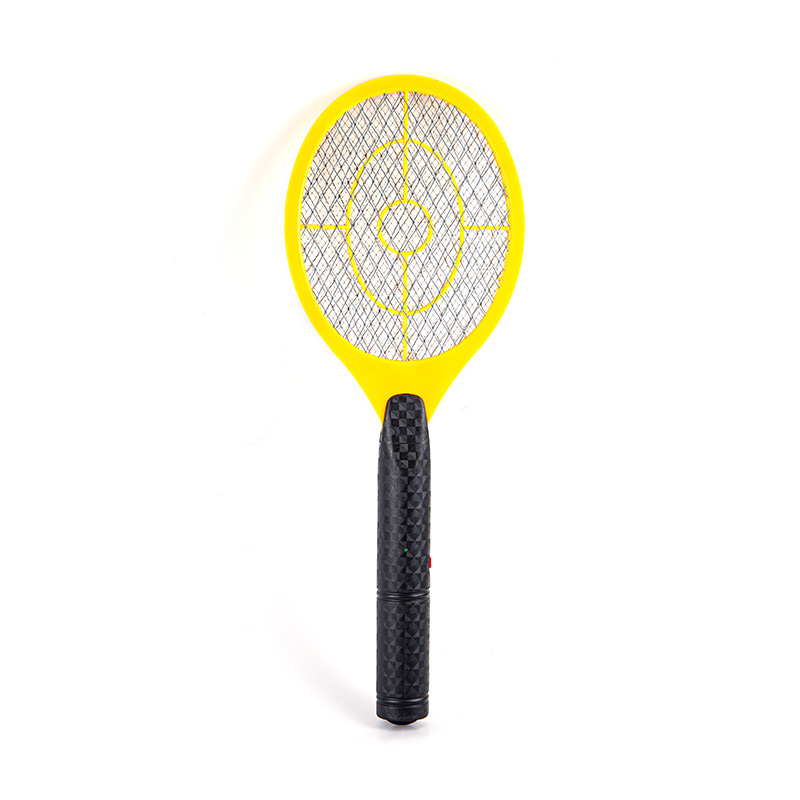
 LED electric fly swatters are a modern solution for controlling flying insects in homes, outdoor areas, and commercial settings. They combine traditional swatting mechanisms with electric grids that deliver a low-voltage shock to insects, and many include LED lights to attract pests. The combination of technology, convenience, and portability has contributed to their growing presence in the market.
Practical Advantages and User Convenience
The adoption of LED electric fly swatters is closely tied to their practical functionality. Users value devices that simplify insect control compared to traditional fly swatters or chemical sprays.
Easy to use
Lightweight handheld design allows quick targeting of flying insects.
Rechargeable or battery-powered models reduce dependence on constant replacement of disposable batteries.
Attract-and-eliminate function
Integrated LED lights draw insects toward the swatter, increasing the likelihood of contact.
Electric grids provide instant elimination without the need for additional chemicals.
Portability
Compact size and cordless operation allow users to carry the device to various rooms, patios, or outdoor seating areas.
Many models include built-in charging ports or USB cables for convenient power replenishment.
These features make LED electric fly swatters practical tools for households, restaurants, and outdoor leisure areas.
Safety and Health Considerations
Safety features and reduced chemical exposure contribute to market acceptance. Many users prefer methods that limit direct contact with pesticides or insecticides.
Low-voltage operation
Electric grids are designed to kill small insects without causing harm to humans or pets when handled according to instructions.
Insulated handles and protective mesh reduce accidental shocks.
Chemical-free operation
Eliminates the need for sprays, traps, or aerosols that may leave residues on surfaces or in the air.
Supports a cleaner environment, particularly in food preparation or dining areas.
Hygiene management
Dead insects remain on the mesh, simplifying cleaning compared to sticky traps or residual sprays.
Users can safely wipe the swatter surface after use.
The perception of safety combined with reduced chemical exposure contributes to the device's appeal, especially in households with children or pets.
Market Accessibility and Consumer Adoption
Several factors in retail and marketing have encouraged widespread adoption of LED electric fly swatters.
Affordability
Entry-level models are priced to be accessible for a wide range of consumers, supporting broader market penetration.
Rechargeable and durable designs offer longer service life, improving cost-effectiveness.
Availability across channels
Products are sold in hardware stores, supermarkets, and online platforms, making them widely accessible.
Online product listings often highlight features such as LED lights, rechargeable batteries, and dual grid systems.
Consumer education
Product descriptions and demonstrations, both in-store and online, help users understand operation and safety features.
Positive user reviews and visual demonstrations increase confidence in effectiveness.
These factors collectively influence consumer trust and adoption rates.
Design Features and Innovation
The technological and ergonomic design of LED electric fly swatters has supported market interest by improving effectiveness and convenience.
Integrated LED lighting
Attracts insects by mimicking natural light sources, particularly in low-light conditions.
Enhances usability at night or in shaded areas.
Dual-layer grids
Provides protection for the user while maximizing contact with insects.
Grid spacing is optimized for common household flies and mosquitoes.
Rechargeable battery systems
USB charging ports or docking systems reduce the need for frequent battery replacements.
Some models include power indicators to inform the user of charge status.
Ergonomic handles
Lightweight designs and non-slip grips improve control and reduce fatigue during extended use.
Some models fold or come with protective covers for storage convenience.
These design elements support both functional efficiency and ease of use.