


 English
  Español
  Deutsch
 Crafted from durable PC+ABS material, this smart doorbell is built to withstand both indoor and outdoor condit...
See Details
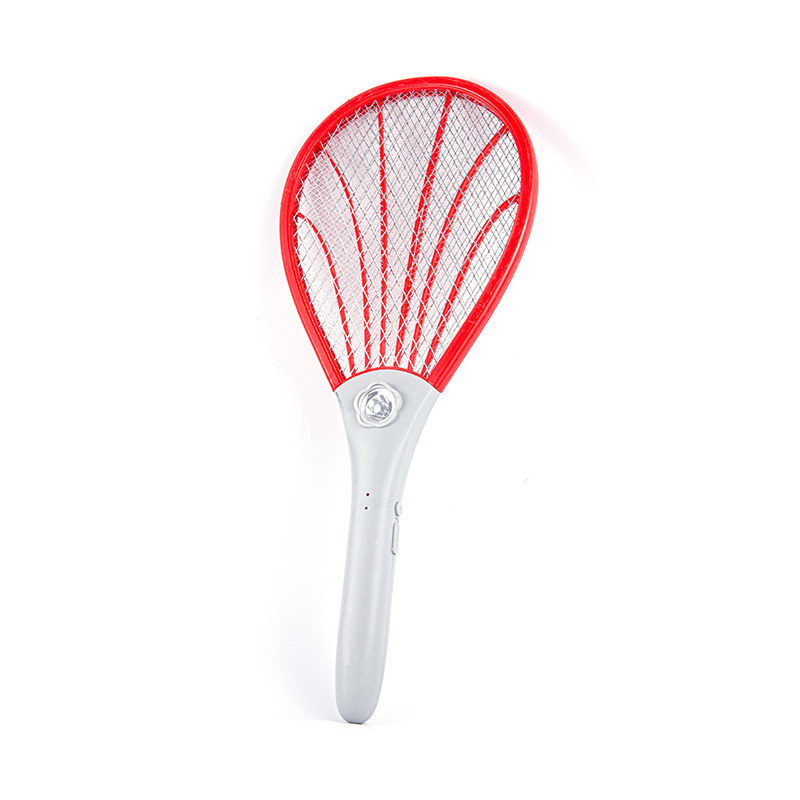
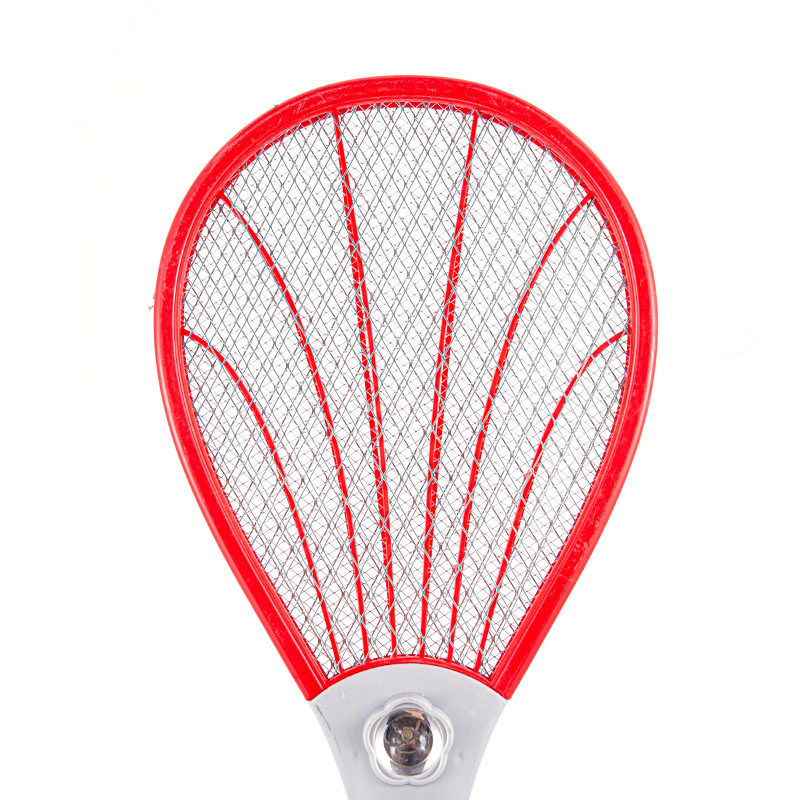
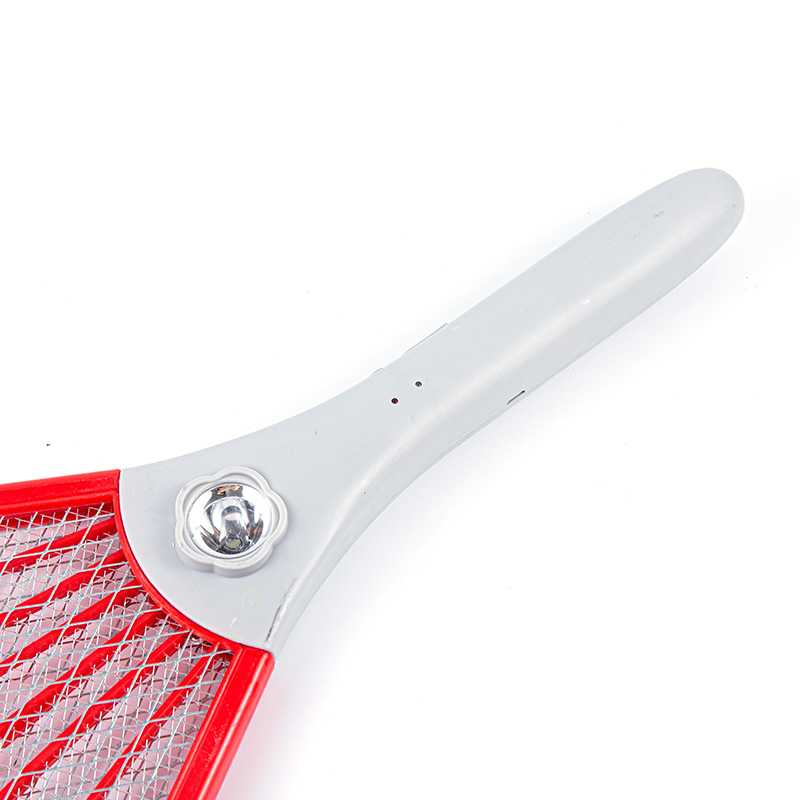
Electric Mosquito Swatter
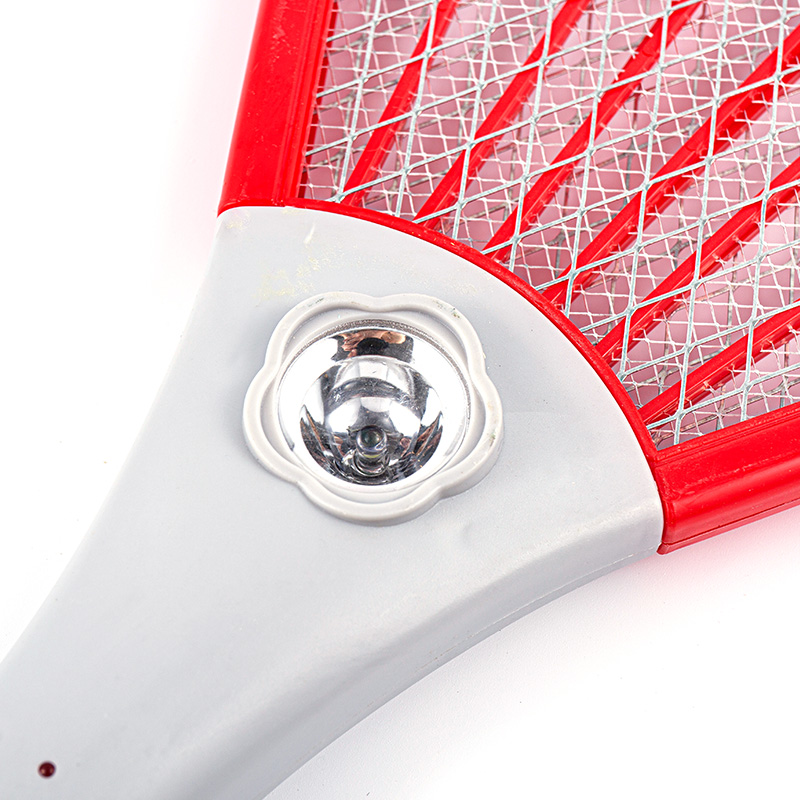
Lithium Battery Shell-Shaped Large Mesh Fly Swatter
Weight: 320g Length: 51.5cm Width: 22cm Height: 2.8cm
Brilliant Design Meets Marvelous Manufacturing

Phone Number
+86-579-85865887-
Hundreds of varieties, rich styles, fast update speed
-
Possess patent certificate, ROHS certification, HACPP certification
Why a Good Electric Fly Swatter Makes Summer Evenings So Much More Bearable
Nobody likes dealing with buzzing mosquitoes and flies ruining a quiet night on the porch or in the backyard. A solid electric fly swatter changes that by giving you a quick, effective way to handle pests without chasing them around with a clumsy old swatter or spraying chemicals everywhere.
What These Electric Fly Swatters Are Really Like
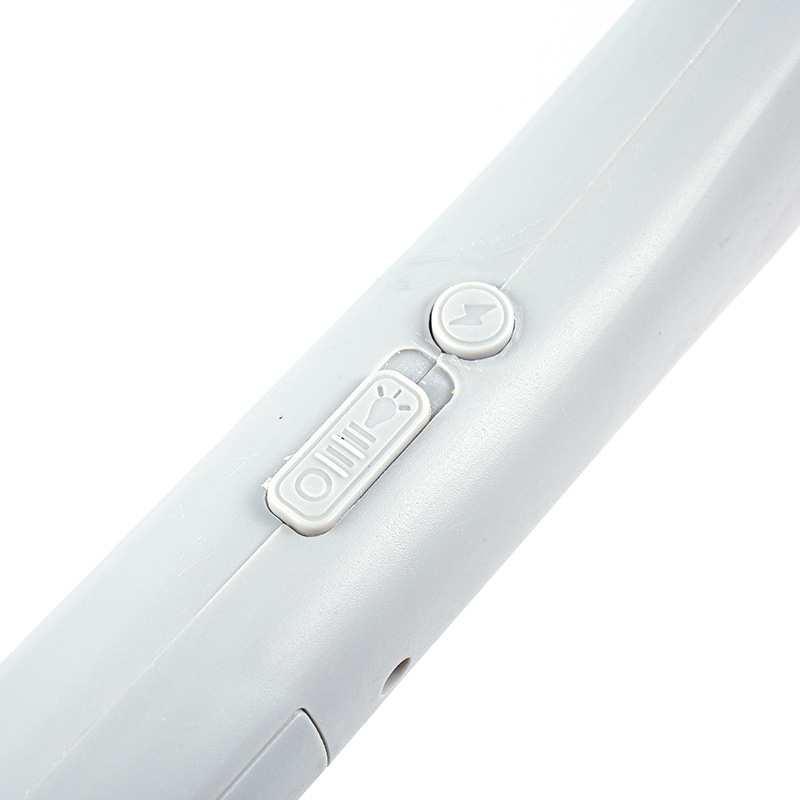
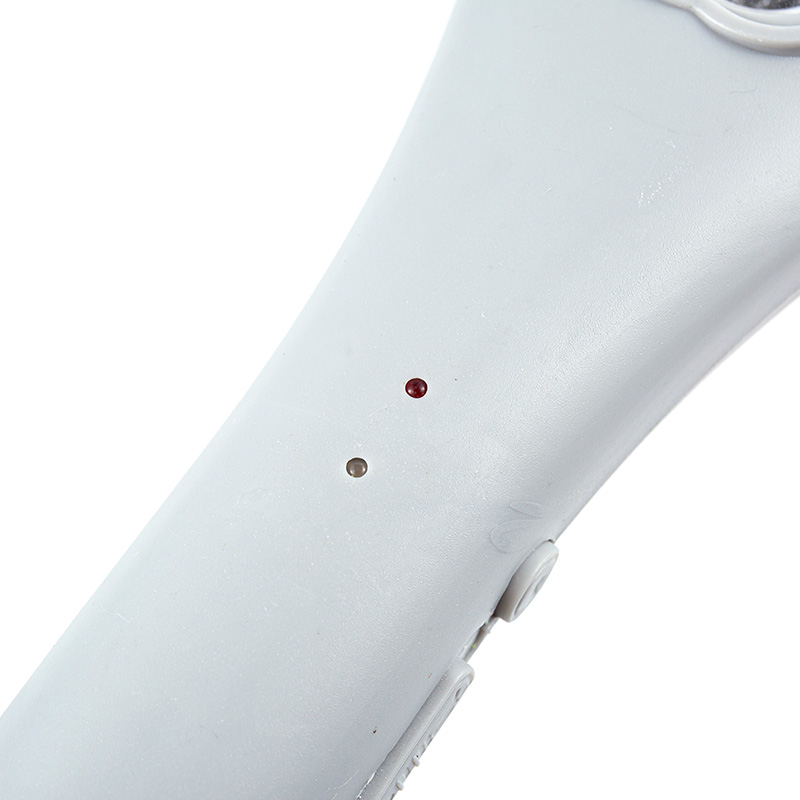
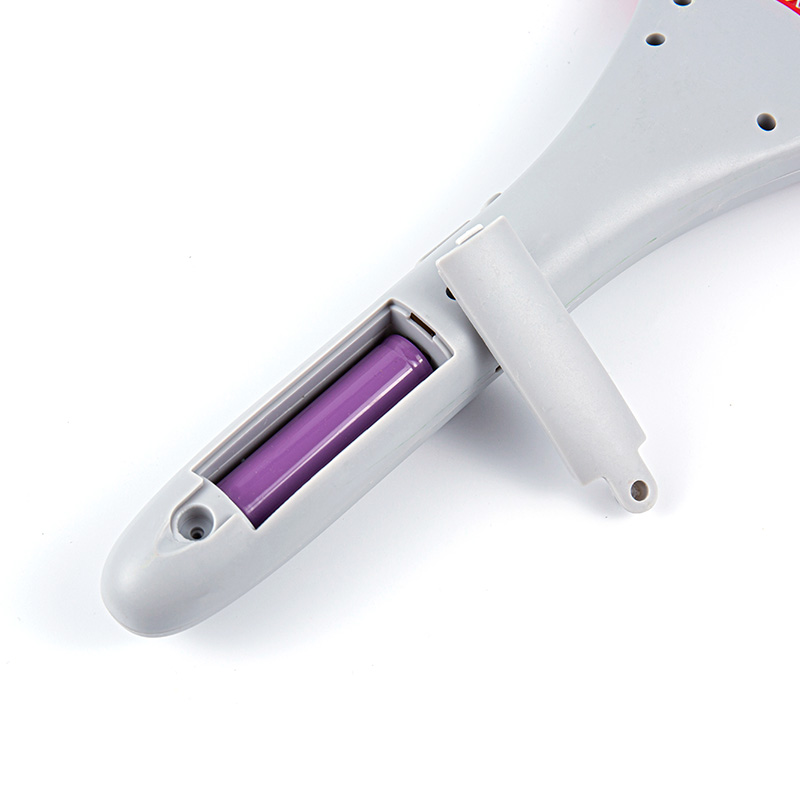
This shell-shaped version stands out with its large mesh surface that covers more area in one swing. It runs on a 1200mAh lithium battery that lasts through plenty of daily use before needing a recharge. You can top it up easily with any USB cable – whether from a power bank, laptop, or wall adapter. There' s even a built-in LED light that helps you spot bugs in dim rooms or outside after dark. The dual safety switch keeps it from turning on by accident, which is especially handy around kids or older folks. The ergonomic shell shape feels comfortable in your hand and makes swinging more natural.
When People Actually Reach for One
Families pull it out during backyard barbecues when mosquitoes start showing up at dusk. Campers keep one in the tent for those evenings when bugs sneak in. Homeowners use it indoors near windows or in the kitchen during humid summer months. The LED light comes in handy for late-night checks in the bedroom or garage. Seniors appreciate the safety switch and easy grip, while parents like that it' s safer than sprays around little ones. It' s also great for travel – small enough to pack and rechargeable so you don' t need extra batteries.
How It Compares to Traditional Ways of Dealing with Bugs
Old-fashioned plastic swatters often miss or just stun the fly, leaving you to chase it again. Chemical sprays can leave smells, stain surfaces, and aren' t ideal near food or pets. Bug zappers that hang outside work for some flying insects but miss the ones already inside the house. A powerful electric fly swatter sits right in the middle – it' s instant, targeted, and doesn' t rely on poison or electricity cords. You control exactly where and when you use it, and the large mesh plus LED light gives you a real edge over basic manual versions.
In the end, these rechargeable electric swatters have become a favorite for anyone tired of bugs winning the battle at home. They' re practical, safe for the whole family, and make those warm evenings feel a lot more relaxing.

10 Years
Experience


About Company
About Jiuxin
YIWU JIUXIN ELECTRIC CO., LTD. is an OEM/ODM Lithium Battery Shell-Shaped Large Mesh Fly Swatter Supplier and Custom Lithium Battery Shell-Shaped Large Mesh Fly Swatter Company that produces and processes alarms, key finders, mosquito repellent swatters, anti-theft alarm locks, electronic keyboards, and other related products. The company's headquarters are located at No. 106, Sitong West Road, Shangxi Town, Yiwu City, Jinhua City, Zhejiang Province (5th Floor, Building 3, Yiwu Erhe Toys Co., Ltd.) YIWU JIUXIN ELECTRIC CO., LTD. has a complete and scientific quality management system. The integrity, strength, and product quality of YIWU JIUXIN ELECTRIC CO., LTD. are recognized by the industry.
Related products
-
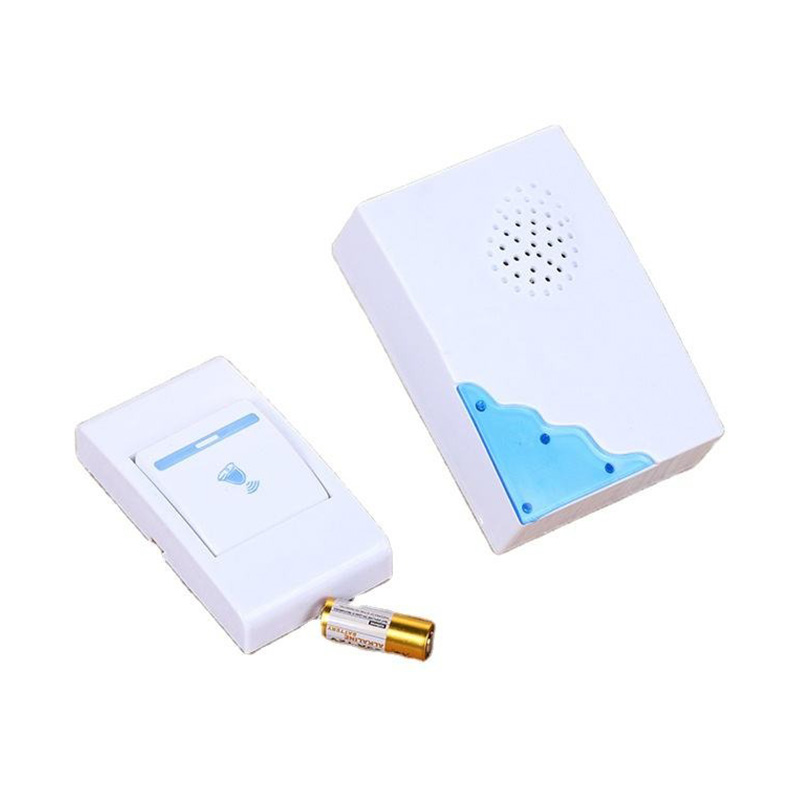
-
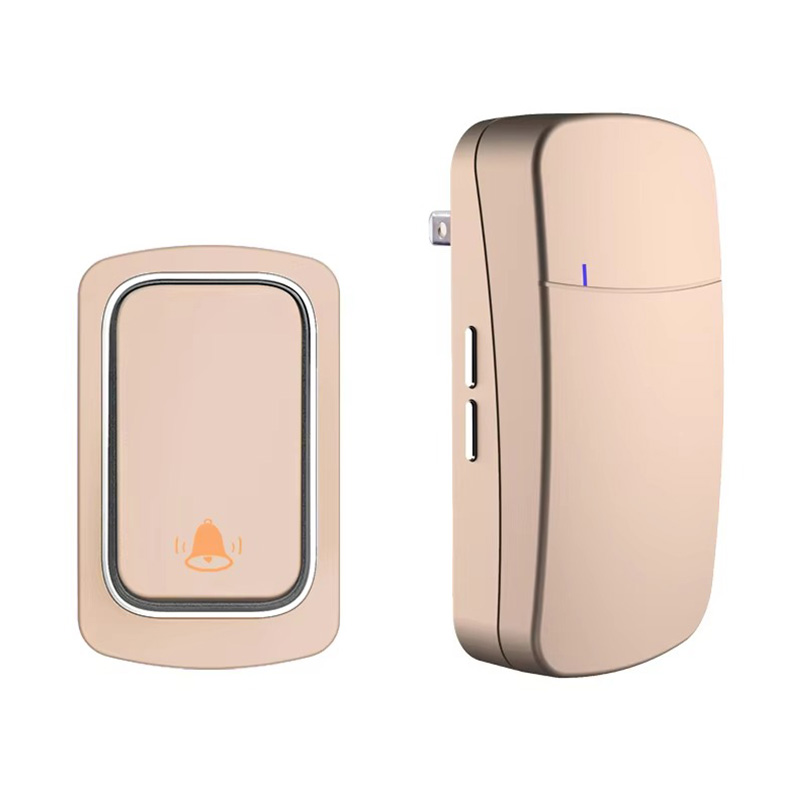
Plastic Wireless Electronic Push Button Doorbell is a modern and efficient way to improve your home entry aler...
See Details -
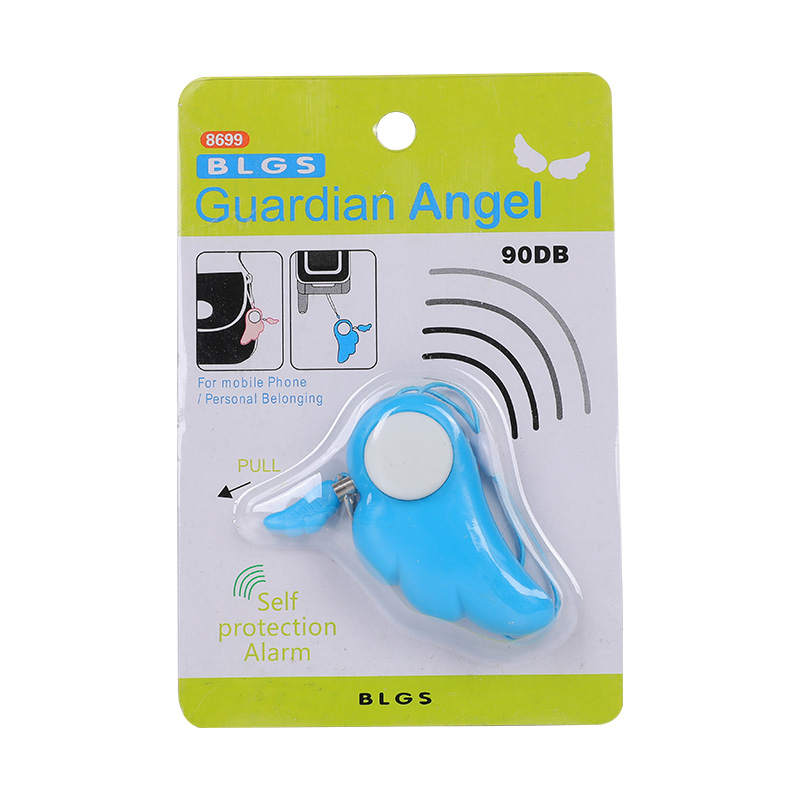
Enhance your home safety with the Security Angle Shape SOS Personal Body Alarm, model BL-002 — a compact and e...
See Details -
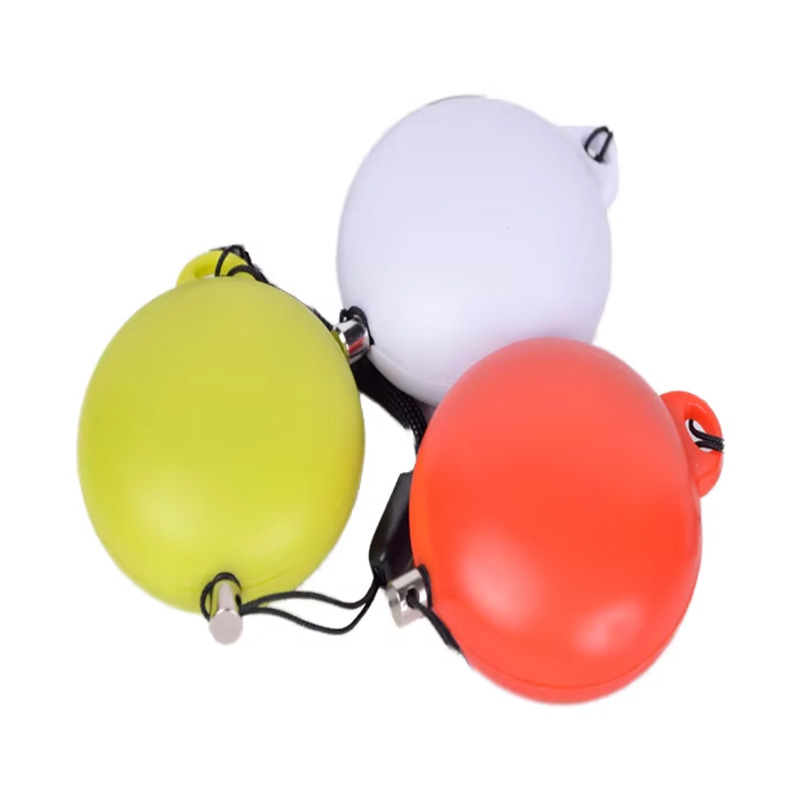
Stay safe and prepared with the Smart Convenient Wireless Personal Emergency Alarm — a modern safety device de...
See Details -
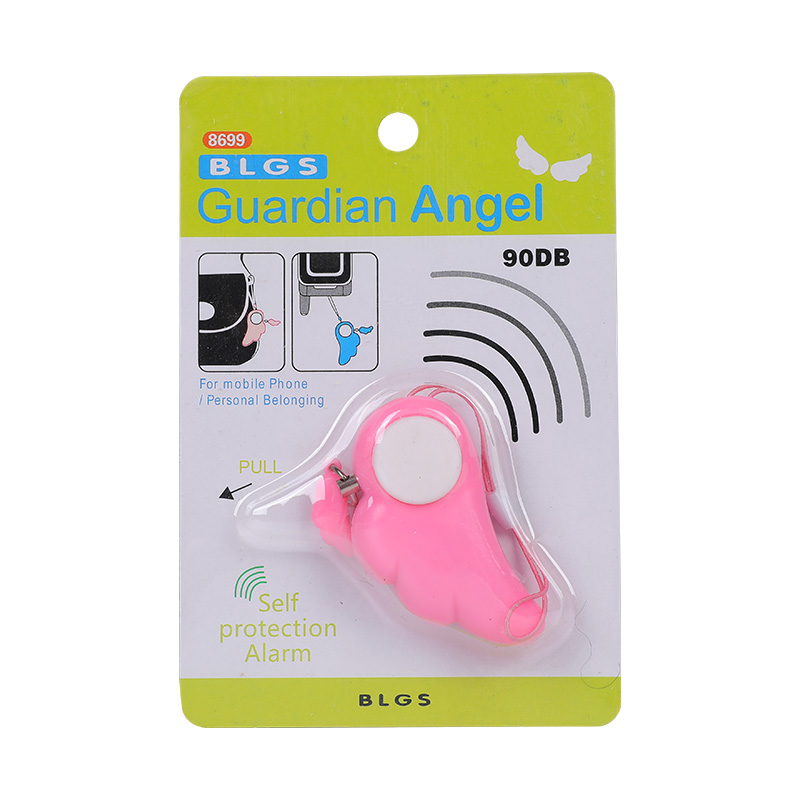
Stay confident and secure wherever you go with the Portable Self-Protection Personal Alarm for Daily Carry Use...
See Details -
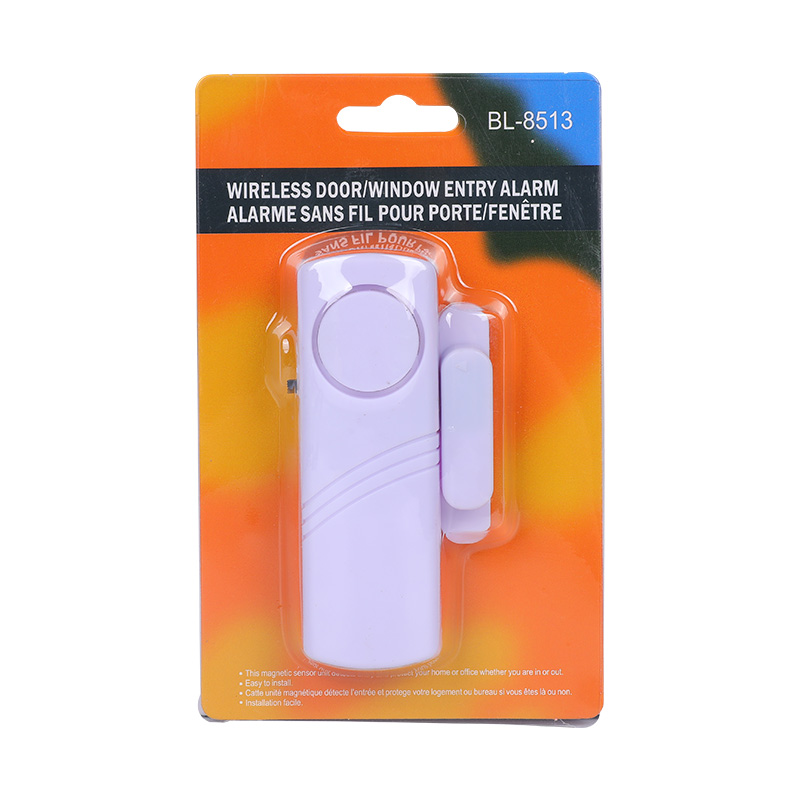
Protect your home and loved ones with the Wireless Magnetic Smart Door Alarm System for Home Safety — a sleek,...
See Details -
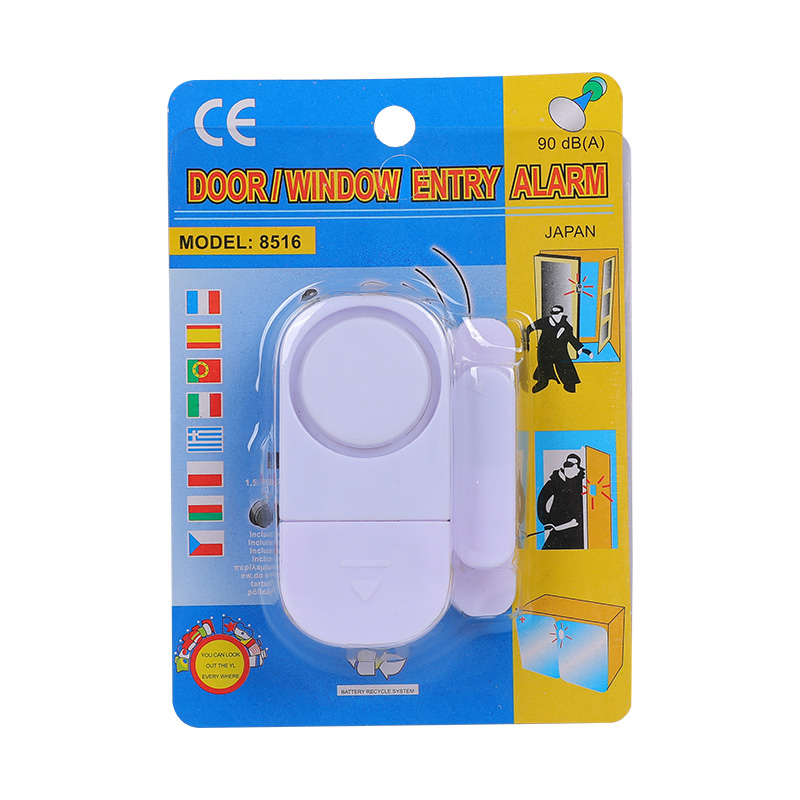
Protect your home with the House Door Alarm with Loud Siren for Home Protection, a powerful and reliable secur...
See Details -
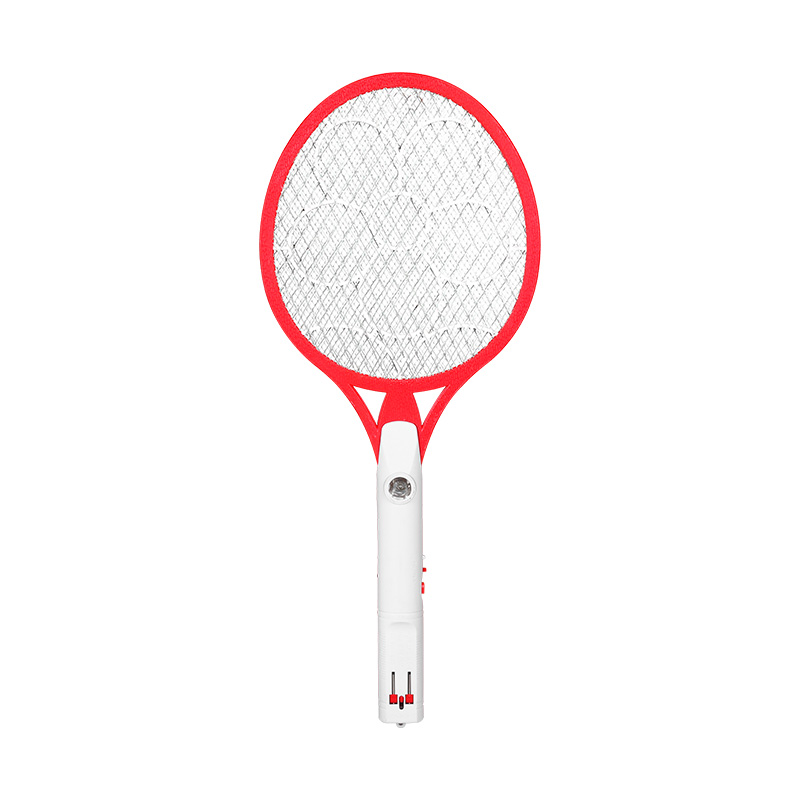
Keep your environment mosquito-free with the Safe and Durable Rechargeable Mosquito Swatter, designed for both...
See Details
NEWS
-
Small personal alarm devices are often carried as part of everyday belongings. They may hang from a key ring, sit inside a handbag, or attach to another item that is taken outside regularly. Because o...
READ MORE -
Cooling fans may serve a similar purpose while offering very different ways of use. A Mini Handheld Cooling Fan is designed around movement, close-range airflow, and direct operation by hand. Traditio...
READ MORE -
After a mosquito swatter has been used, small insect remains can stay on the mesh or around its frame. Dust may also settle on the handle, especially when the device is kept on a shelf or carried betw...
READ MORE
Factory-Made Electric Mosquito Swatter: Does It Require Regular Battery Replacement?
It really depends on how the factory-made electric mosquito swatter is powered. Most of them fall into two groups: the ones that run on throw-away batteries like AA or AAA, and the ones with built-in rechargeable batteries.
The disposable battery models need you to swap cells every so often. If you only swat a few bugs here and there, a fresh set of batteries might last weeks or even a couple of months. But if someone in the house leaves it switched on by mistake or you use it a lot during buggy season, you' ll find yourself hunting for new batteries pretty regularly. Over time it just becomes part of the routine.
These days though, electric tennis racket bug killer come with a built-in lithium battery you can recharge. With normal use you don' t have to keep replacing anything – you just plug it in with a USB cable when the light starts blinking. The battery can handle hundreds of charge cycles before it starts losing power noticeably. After a few years of heavy use it might eventually get weaker, and then you either send it for a battery swap or pick up a new one. For everyday home use, though, most people just top it up every week or two and forget about buying batteries.
How to Choose a High-Quality Large Mesh Fly Swatter
Selecting a large mesh racket zapper electric fly swatter involves evaluating both structural and functional characteristics. A well-chosen swatter balances usability, durability, and safety rather than focusing on a single feature.
|
Selection Factor |
What to Look For |
Practical Reason |
|
Mesh Size and Spacing |
Evenly spaced, sturdy metal mesh |
Larger mesh surfaces increase contact probability with insects while maintaining consistent electrical performance. |
|
Mesh Layer Design |
Multi-layer mesh with protective outer layer |
Multiple layers help ensure insects complete the electrical circuit while reducing accidental contact risk. |
|
Frame and Support |
Rigid frame with minimal flex |
A stable frame helps maintain mesh alignment and reduces deformation during use. |
|
Handle Construction |
Insulated, non-slip handle |
Proper insulation supports safe handling, while grip texture improves control during operation. |
|
Power System |
Rechargeable battery or secure battery compartment |
Reliable power delivery supports consistent operation and reduces sudden power loss. |
|
Weight and Balance |
Even weight distribution |
Balanced designs reduce hand fatigue during extended use and improve accuracy. |
|
Safety Features |
Indicator lights or automatic shutoff |
Visual indicators help users confirm operating status and avoid unintended activation. |
In addition to these factors, users should consider their typical usage environment. Indoor use may prioritize quiet operation and compact storage, while outdoor use may benefit from sturdier construction. Evaluating these elements together provides a practical basis for selecting a large mesh fly swatter suitable for regular household use.
Will a Lithium Battery Fly Swatter Cause a Fire?
• Lithium batteries are designed with safety controls
Lithium batteries used in fly swatters are usually pretty small and come with basic protection circuits built right in. These circuits keep an eye on charging, discharging, and temperature while you use the swatter normally around the house.
• Fire risk is linked to misuse rather than normal operation
Under everyday household use, the chance of fire is really low. Most problems only show up when someone charges it the wrong way, uses a beat-up cable, or leaves it sitting in a hot spot for too long.
• Overcharging can increase risk
Plugging it into the wrong charger or forgetting to unplug it for days can put extra stress on the battery. A lot of newer models have safeguards against this, but it' s still smart to keep an eye on it while it' s charging.
• Physical damage is a contributing factor
If you drop the swatter hard or step on the handle, you might crack the casing or mess up the wiring inside. That kind of damage can lead to bigger electrical issues down the road.
• Environmental conditions matter
Leaving the fly swatter near a heater, in a hot car, or out in direct sunlight for hours can mess with the battery over time. Heat is never good for lithium cells.
• Manufacturing quality influences safety
Swatters that come from proper factories with decent quality checks are generally much safer than cheap no-name ones thrown together without much testing.
• Proper storage reduces long-term risk
When you' re not using it, just turn the swatter off and tuck it away in a cool, dry spot. Keeping the battery partially charged during long storage usually works better than letting it go completely flat.
If you are interested in our products, please consult us
CONTACT DETAIL
- Email: xjx@jiuxin1688.com
- Tel: +86-579-85865887
- Phone: +86-19016876999
- Fax: +86-579-85865887
- Address: 5th Floor, Building 3, No. 106 Sitong West Road, Shangxi Town, Yiwu, China
PRODUCTS
MOBILE TEMERNAL

