English
  Español
  Deutsch
 Mosquitoes have a way of turning a quiet evening into an ongoing annoyance. They might show up near a bedroom window one night, circle a patio light the next, or follow someone into a tent during a weekend trip. Because these moments happen in such different settings, a mosquito control product really needs bending to how people actually move through their day rather than staying tied to one spot.
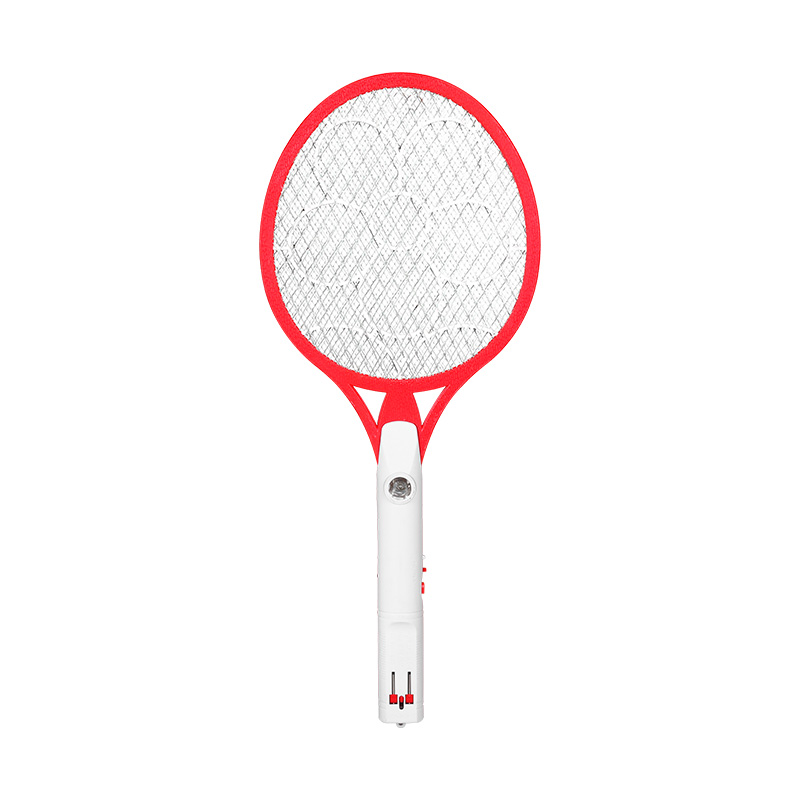
A Portable Electric Mosquito Killer tackles this by letting someone deal with individual insects wherever they happen to pop up. Unlike a device meant staying fixed in one location, a handheld swatter travels between rooms or heads outside whenever it's needed. That flexibility makes it relevant for households, travelers, campers, and anyone who spends real time on a patio or balcony.
Products like a Rechargeable Electric Mosquito Swatter or an Electric Mosquito Racket work through direct contact with insects. Their actual value hinges on where they get used, how comfortable they feel to hold, and how well someone stores and maintains them afterward. Keeping these differences in mind helps buyers pick something fitting their routine instead of expecting one device to handle every situation equally well.
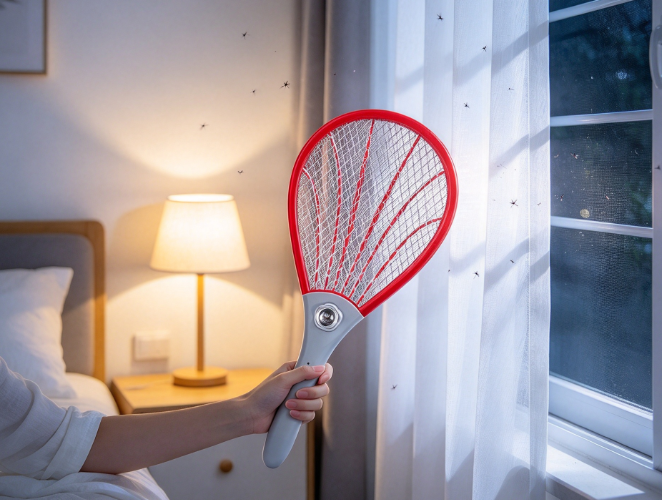
Why Do These Devices Suit Different Environments?
Indoor and outdoor spaces create fairly different mosquito problems. Inside, insects tend gathering near windows, doors, curtains, or wherever people settle down to rest. Outside, they show up around plants, seating areas, garden paths, and temporary shelters like tents.
A portable device lets someone walk toward wherever the insect actually is, which matters since mosquitoes rarely stick to one fixed spot. Rather than rearranging furniture or chasing a bug around a room, the device just comes along for the ride. Indoor spaces bring furniture, curtains, and electronics that need handling carefully around, while outdoor areas bring uneven ground, moisture, and limited storage space instead. A workable product stays easy carrying through both, while still supporting safe operation and convenient storage once the moment passes.
How Does a Rechargeable Swatter Fit Everyday Home Use?
Household mosquito trouble tends showing up at the worst possible moment — a bug slipping in through an open window, or buzzing near the bed right as someone's settling down to sleep. These moments call for something that gets picked up and used without any fuss or setup.
A Rechargeable Electric Mosquito Swatter fits that pattern well since it pairs handheld operation with a power source that doesn't need disposable batteries. Keeping it in a sensible storage spot means it's there the moment insects become noticeable, without needing permanent installation anywhere. Where it lives in the house matters too — a spot near the main living area helps people find it fast, while a separate location might suit a bedroom or enclosed patio better. Households with kids should also think through who can reach it, since the electrically active grid needs supervision around anyone who doesn't fully understand how it works.
What Makes Bedroom Use Different From Living Room Use?
Bedrooms and living rooms serve pretty different purposes, so mosquito handling looks different in each. A living room often has open windows and several possible entry points, while a bedroom calls for a quieter, less disruptive approach since people actually sleep there.
In the living room, someone might move between curtains, window frames, and seating areas, swatting as needed before putting the device back. Bedroom use asks for a bit more care — avoiding operation close to bedding or curtains, and switching the device off and storing it properly rather than leaving it within reach while someone sleeps. A swatter handles individual insects well, but it won't stop new ones from drifting in, so window screens and closed doors still carry their own weight alongside the handheld option.
Can a Rechargeable Model Suit Shared Family Spaces?
Shared spaces often mean several routines overlapping at once — someone reading, someone cooking, someone drifting between the patio and the kitchen. A portable device fits here precisely because it moves to wherever it's actually needed rather than sitting fixed in one spot.
A rechargeable model suits households preferring to charge a device over constantly replacing batteries, provided the charging setup matches household habits and the product's own instructions. Storage and supervision matter just as much in shared spaces, since the device needs staying clear of young children and away from sinks or wet counters. Family members should all know the storage spot, which cuts down on accidental damage and makes checking readiness a lot simpler.
How Does a Mosquito Racket Fit Patio and Balcony Use?
Patios and balconies sit in that in-between zone of indoor and outdoor living, used for meals, reading, or just unwinding after work. Mosquitoes drift in from nearby plants or open space, making insect control a fairly regular task rather than an occasional one.
An Electric Mosquito Racket gives people a handheld option here, carried to a seating area and used the moment a bug shows up rather than relying on something fixed in place. Balcony layouts bring their own obstacles though — chairs, railings, and plant pots can limit how freely someone swings the racket, so leaving enough clear space around the body matters. Charging and storage should also happen somewhere dry, well away from outdoor furniture or exposed outlets, and the device shouldn't get used in wet conditions unless the manufacturer specifically says it's built for that.
How Can These Devices Support Camping Trips?
Camping brings its own set of conditions entirely. People spend time around tents, cooking areas, and picnic tables, with mosquitoes popping up across the whole site rather than one fixed corner. Carrying a handheld device often beats trying to keep insect control gear tied to a single location.
A portable mosquito killer packs easily alongside other camping gear and comes out whenever needed. A rechargeable design suits trips where charging ahead of departure, or finding power along the way, is realistic. The campsite environment still demands care — keeping the device dry, protected from dirt, and stored somewhere it won't get crushed under other gear, while avoiding operation too close to tent fabric or sleeping bags. A handheld swatter shouldn't be treated as the entire mosquito defense plan for a trip, either — repellents, suitable clothing, and intact screens all play their own part too.
What Should Travelers Consider When Carrying One?
Travel usually means moving through several settings in a single day — a hotel room, a garden, a balcony, maybe an outdoor dining spot. A portable device earns its keep here by handling mosquitoes across more than one environment without needing separate gear for each.
| Use Area | Main Consideration | Practical Approach |
|---|---|---|
| Bedroom | Nearby bedding and furniture | Keep a clear operating area |
| Living room | Curtains, windows, seating | Move carefully around furnishings |
| Kitchen | Food prep and moisture | Keep device away from wet surfaces |
| Balcony | Railings, plants, weather | Use only under suitable conditions |
| Patio | Furniture and outdoor exposure | Keep the operating area clear |
| Campsite | Limited storage, changing conditions | Protect from moisture and damage |
| Travel accommodation | Shared space and storage | Store it securely, follow local rules |
Picking a travel-friendly device means thinking through luggage space, protective covers for the grid, and whether charging access will actually be available along the route. A device that works fine at home doesn't automatically suit every trip, since humidity, rain exposure, and charging access all shift depending on where someone's headed.
Why Does Charging Convenience Matter?
Rechargeable devices settle into regular household routines once there's a convenient spot for charging and storage. Compared with constantly swapping batteries, recharging can feel simpler, though that really depends on the specific design and how often the device gets used.
Charging habits should follow the product's own instructions closely — using the recommended equipment, avoiding damp areas, and keeping the charging spot clear of bedding or clothing that might cover it. It's worth glancing over the device before charging too, checking for a damaged cable or loose connection, since visible damage shouldn't get ignored or charged through regardless.
How Should Users Store These Devices Between Uses?
Storage shapes both convenience and how long a device stays in good shape. Leaving it on a busy countertop risks getting knocked down, while a spot near the sink risks water exposure. Outdoor storage adds its own risks from rain and dust building up over time.
A steady, consistent storage spot helps people find the device the moment mosquitoes show up, kept dry, away from children, and clear of anything that might press against the electrical grid. For camping and travel, a protective arrangement keeps the product from getting crushed among other belongings, and it's worth checking that it's clean and dry before packing it away.
What Safety Practices Matter Across Environments?
Because these devices carry an electrical component built to act on insects, careful handling matters regardless of how simple the design looks. Useful habits include keeping the device away from children and pets, avoiding contact with the grid during operation, steering clear of water unless the product's rated for it, and switching it off before storage or transport. Any sign of damage to the housing, grid, or charging equipment should stop use right away rather than get worked around.
How Can Buyers Match a Device to Their Routine?
Buyers can start by figuring out where mosquitoes actually cause trouble most often. Someone mainly dealing with a bedroom problem might prioritize careful storage near furniture, while a household leaning on the patio often cares more about portability and weather protection. Campers and travelers need thinking through packing space and charging access, while shared households need a storage plan keeping the device accessible to adults without turning into a hazard for kids.
Working through a few honest questions helps guide the decision — where the device will mainly get used, whether there's a dry storage spot ready, whether charging fits the household's habits, and whether it needs traveling along on trips. A product fitting these realities tends becoming a genuinely useful part of everyday mosquito management, rather than something that looks good on a shelf but never quite matches how people actually live.