English
  Español
  Deutsch
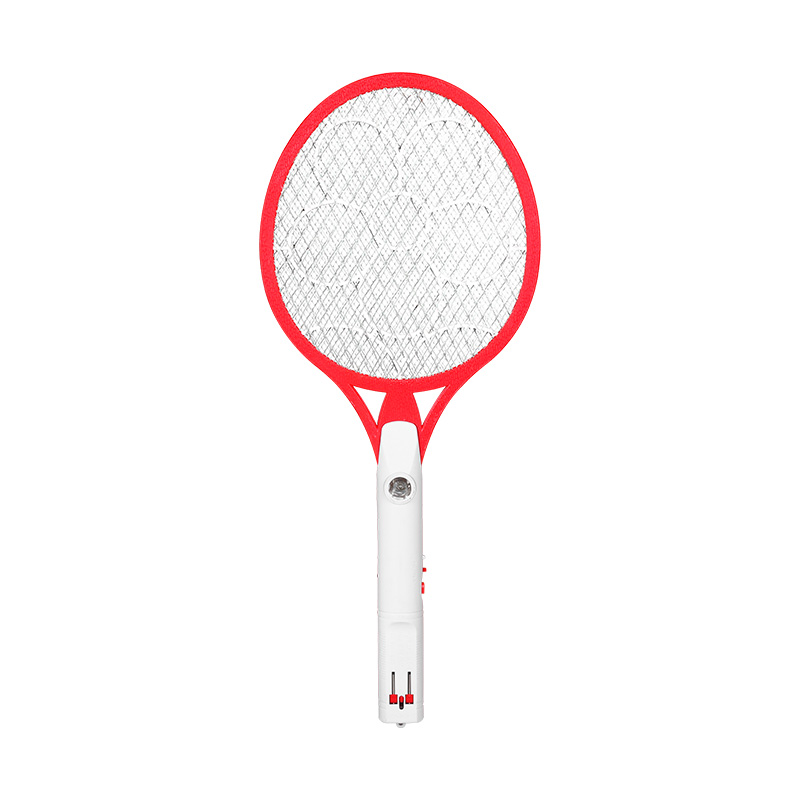
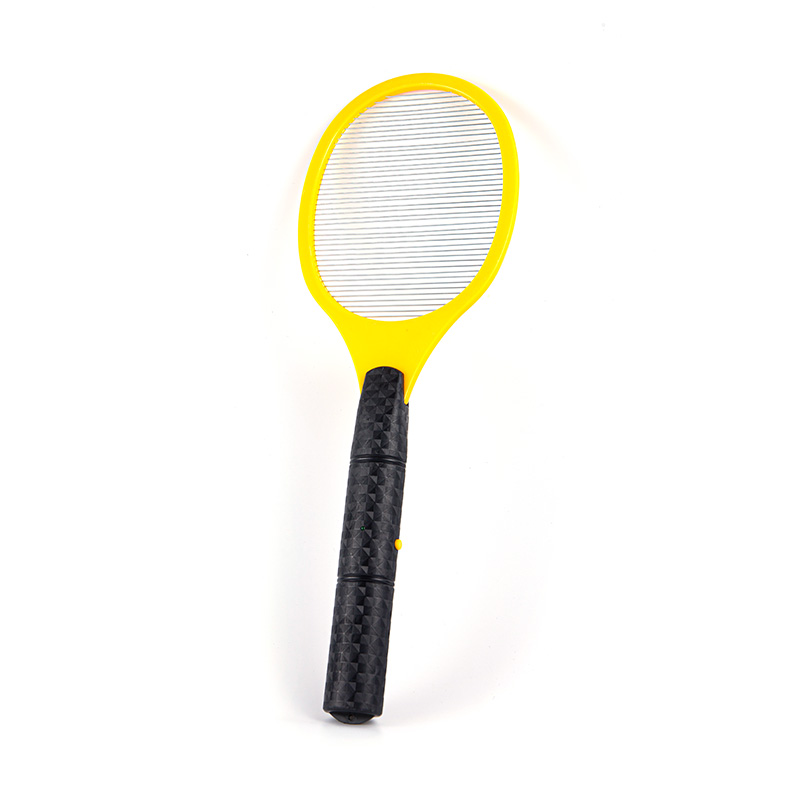
 An Electric Bug Swatter Racket looks like a tennis racket, though its purpose differs entirely. The head contains three layers of metal mesh. The outer layers serve as protection. The inner layer carries the electrical charge. When an insect touches both the inner and outer layers, the circuit completes.
The device draws power from a battery. The battery supplies low-voltage direct current. That current passes through a circuit that increases the voltage. The voltage rises to a level that can kill insects. The charge stores in a capacitor until the swatter gets used.
The operation happens quickly. The user swings the racket at an insect. The insect contacts the mesh layers. The electrical charge passes through the insect. The insect dies from the shock. The process takes a fraction of a second.
The design keeps the user safe. The outer mesh layers protect against accidental contact. The user's hand stays behind the protective guard. The switch must be pressed for the circuit to activate. An Electric Bug Swatter Racket poses little risk to the user when used properly.
How Does the Electrical Circuit Generate the Killing Voltage
The circuit inside an electric bug swatter converts low voltage to high voltage. The conversion happens through a voltage multiplier circuit. The circuit uses diodes and capacitors to increase the voltage. The output voltage reaches several hundred volts.
The circuit begins with the battery power. The low voltage enters the circuit. The first stage of the circuit increases the voltage. The next stage increases it further. The voltage builds through multiple stages. The final output delivers enough energy to kill insects.
The capacitor stores the charge. The capacitor fills with electrical energy. When an insect bridges the mesh gap, the capacitor discharges. The discharge passes through the insect. The energy in the discharge causes the kill.
The circuit operates only when the switch is pressed. The switch must be held down for the circuit to activate. Releasing the switch deactivates the circuit. This design prevents accidental discharge. A Powerful Electric Fly Swatter uses a similar circuit design with appropriate voltage levels.
What Safety Features Are Built Into Electric Bug Swatter Designs
Safety receives attention in the design of electric bug swatters. The device delivers a high voltage. The user needs protection from that voltage. Several features provide that protection.
The mesh design includes outer protective layers. The outer layers are not electrified. Only the inner layer carries the charge. An insect must contact both the inner and outer layers for the circuit to complete. The user's skin contacts only the outer layer.
The switch requires deliberate action. The user must press the switch to activate the circuit. The switch is positioned where the thumb or finger operates it. Releasing the switch deactivates the circuit. The swatter cannot be accidentally activated.
The insulation protects the user's hand. The handle is made from non-conductive material. The insulation prevents current from reaching the user. The handle design keeps the user's hand away from the mesh. An Electric Bug Swatter Racket includes these safety features as standard design elements.
How Does the Mesh Design Affect Swatting Effectiveness
The mesh design determines how well the swatter catches insects. The spacing between mesh layers must allow insects to enter. The spacing must also be small enough to contact both layers. The gap between the inner and outer mesh affects the swatter's effectiveness.
The mesh size determines which insects get caught. Large insects bridge the gap easily. Small insects may pass through without contacting both layers. The mesh design works best for flies and similar-sized insects. The design may not work as well for very small insects.
The coverage area of the mesh affects swatting success. A larger mesh area provides more chances for contact. The insect can be hit anywhere within the mesh area. The larger area makes aiming easier. The user does not need to hit the insect precisely.
| Mesh Characteristic | Effect on Large Insects | Effect on Small Insects |
|---|---|---|
| Large openings | Good contact, effective kill | May pass through without contact |
| Small openings | Good contact, effective kill | Good contact, effective kill |
| Wide spacing | More area, easier aiming | Same coverage area |
| Narrow spacing | Less area, harder aiming | Same coverage area |
What Factors Influence the Killing Power of an Electric Fly Swatter
The killing power of an electric fly swatter depends on several factors. The voltage level matters. Higher voltage delivers more energy. More energy means a quicker kill. The voltage must be high enough to kill insects instantly.
The current flow also affects the kill. The current passes through the insect. The current causes the muscle contraction that kills the insect. Enough current must flow to be effective. The circuit design determines the current available.
The duration of contact affects the kill. The swatter works best with instant contact. Some designs continue to discharge as long as contact continues. The kill happens quickly. A Powerful Electric Fly Swatter delivers enough energy to kill on contact.
Battery condition affects power output. A fresh battery delivers full voltage. A depleted battery delivers less voltage. The killing power decreases as the battery drains. Replacing or recharging the battery restores the killing power.
How Does Battery Type and Power Source Affect Performance
The battery serves as the energy source for an electric bug swatter. The battery type determines how long the swatter works and how much power it delivers. Different batteries have different characteristics.
Standard disposable batteries provide a simple power source. The batteries are easy to find and replace. The voltage starts high and drops as the batteries drain. The killing power decreases as the voltage drops. The user notices when the swatter becomes less effective.
Rechargeable batteries offer convenience. The user charges the batteries when needed. The batteries cost less over time. The voltage stays more consistent. The swatter performance remains steady through most of the charge. The battery eventually wears out and needs replacement.
The battery capacity affects usage time. A larger battery provides longer run time. A smaller battery runs out faster. The user considers how often they expect to use the swatter. A Powerful Electric Fly Swatter with a larger battery may be more convenient for frequent use.
How Do Indoor Environmental Conditions Affect Swatting Effectiveness
Indoor conditions affect how well an electric bug swatter works. Lighting conditions change how insects behave. Insects are often more active in certain lighting conditions. The user can target insects when they are visible and active.
Air movement affects swatting accuracy. Insects move with air currents. The user must compensate for insect movement. Still air makes swatting easier. Moving air makes targeting harder.
Insect behavior changes with time of day. Some insects are more active during certain hours. The swatter works better when insects are active. The user times the swatting to the insect activity.
Room conditions affect how insects behave indoors. Warm rooms encourage insect activity. Cool rooms slow insects down. The swatter user notices these patterns. An Electric Bug Swatter Racket works well regardless, though the user's success rate may vary.
What Maintenance Practices Extend the Life of an Electric Bug Swatter
Maintenance keeps an electric bug swatter working properly. The mesh collects insect residue over time. The residue can reduce the swatter's effectiveness. The cleaning should be done safely.
The swatter should be turned off and the battery removed before cleaning. The mesh can be cleaned with a brush. The brush removes residue from the mesh surface. The cleaning should be gentle to avoid damaging the mesh.
The battery contacts should be kept clean. The contacts can corrode over time. Corrosion reduces the power delivery. Cleaning the contacts with a dry cloth restores the connection. The swatter should be stored in a dry place.
The circuit should be protected from moisture. Water can damage the electrical components. The swatter should not be used in wet conditions. The swatter should be stored indoors away from moisture.
How Effective Is a Powerful Electric Fly Swatter in Indoor Insect Control
The electric fly swatter provides a convenient way to control indoor insects. The swatter works well for occasional insect encounters. The user kills the insect on contact. The insect does not escape to reproduce.
The swatter is most effective against flying insects. Flies, mosquitoes, and moths are common targets. The swatter works less well against crawling insects. The crawling insects stay on surfaces where the swatter is harder to use.
The success rate depends on the user's skill. A quick accurate swing kills the insect. A missed swing lets the insect escape. The user gets better with practice. A Powerful Electric Fly Swatter provides effective control when used properly.
The swatter compares favorably with other control methods. Chemical sprays leave residues. Traps take time to work. The swatter kills insects instantly. The user does not need to wait or clean up afterward.
What Factors Guide the Selection of an Electric Bug Swatter Racket
Choosing an electric bug swatter involves considering several factors. The intended use guides the selection. The frequency of use affects the choice. The swatter should match the user's needs.
The size of the swatter matters for comfortable use. A larger swatter covers more area. A smaller swatter is easier to store. The user should handle the swatter before buying. The feel in the hand affects how well the user aims.
The power source affects convenience. Some users prefer disposable batteries. Others prefer rechargeable options. The power source should match the user's preferences. A Powerful Electric Fly Swatter with a rechargeable battery offers convenience for frequent users.
The safety features should be considered. The swatter should have protective mesh layers. The switch should be easy to operate. The handle should provide secure grip. An Electric Bug Swatter Racket from a reliable source includes these features.
| Selection Factor | What to Consider | Why It Matters |
|---|---|---|
| Size and weight | Handling comfort | Affects aiming and use |
| Power source | Battery type | Affects cost and convenience |
| Safety features | Mesh layers, switch | Protects the user |
| Frequency of use | Occasional or regular | Affects battery choice |
| Storage space | Available space | Affects swatter size |
The selection should match the specific conditions. A swatter for occasional use differs from one for regular use. A swatter for travel differs from one for home use.