English
  Español
  Deutsch
 How Personal Safety Sirens Appear In Everyday Situations
A personal safety siren usually stays unnoticed during normal daily movement, yet becomes relevant in moments where quick sound output is needed to attract attention in public or semi-public spaces. An Original Self Defense Siren is generally designed around one practical idea, keeping operation simple so sound can be triggered without thinking through steps or adjusting grip carefully.
Original Self Defense Siren is commonly carried during walking, commuting, waiting in parking areas, or moving through crowded environments, where hands may already be occupied and reaction time feels limited.
In real use, placement matters more than appearance. Many users attach it to keys, bags, or belts so it stays within reach without needing to search. This habit shapes how design is built, since easy access often decides whether the device is actually used when needed.
What Sound Behavior Is Built For Real Environment Conditions
Sound output in a personal siren is not only about loudness. Real environments contain mixed noise levels such as traffic, indoor crowd sound, or open-air background movement, so the sound pattern must stay noticeable without relying on a single tone.
Most designs rely on repeated alarm cycles instead of one continuous tone. Repetition helps sound cut through changing noise conditions, especially when attention shifts quickly in different directions.
In practical situations, sound behavior usually shows:
- repeating burst pattern rather than steady tone
- sharp tone contrast against background noise
- consistent output strength during activation
- frequency tuned for quick human attention response
A single steady tone can fade into background noise after a short time. Repeated bursts tend to refresh attention again and again, which matters in open or noisy environments.
Sound also behaves differently in enclosed spaces like corridors or stairwells, where reflections can amplify or distort direction perception, making clarity more important than pure volume.
How Activation Design Works In Real Handling
Activation is often the most practical part of a personal siren because it decides how quickly sound can start. Real-life handling rarely allows careful finger positioning, so activation systems are built to work under imperfect grip or movement.
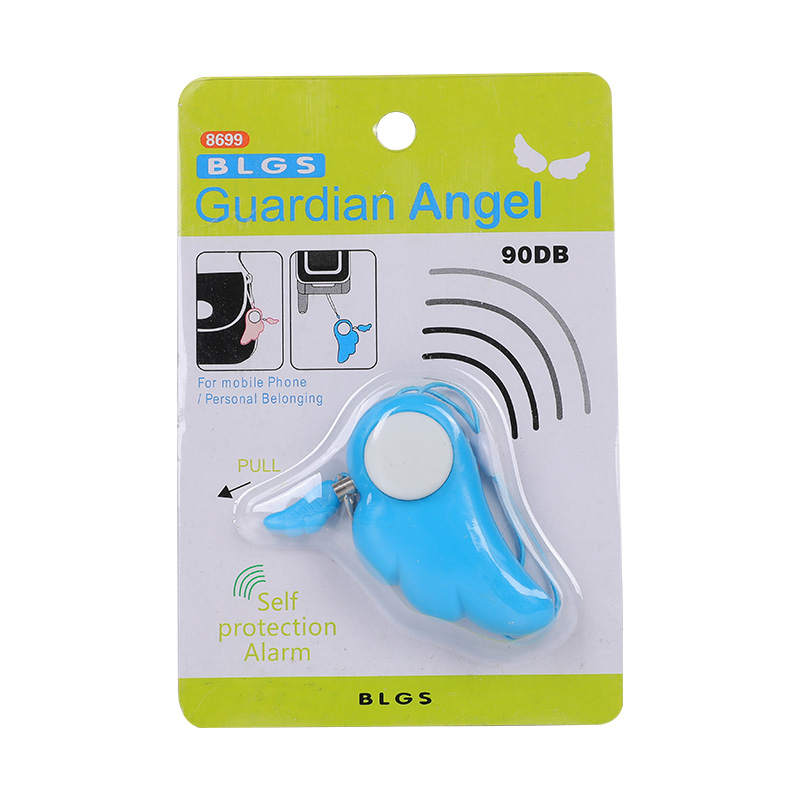
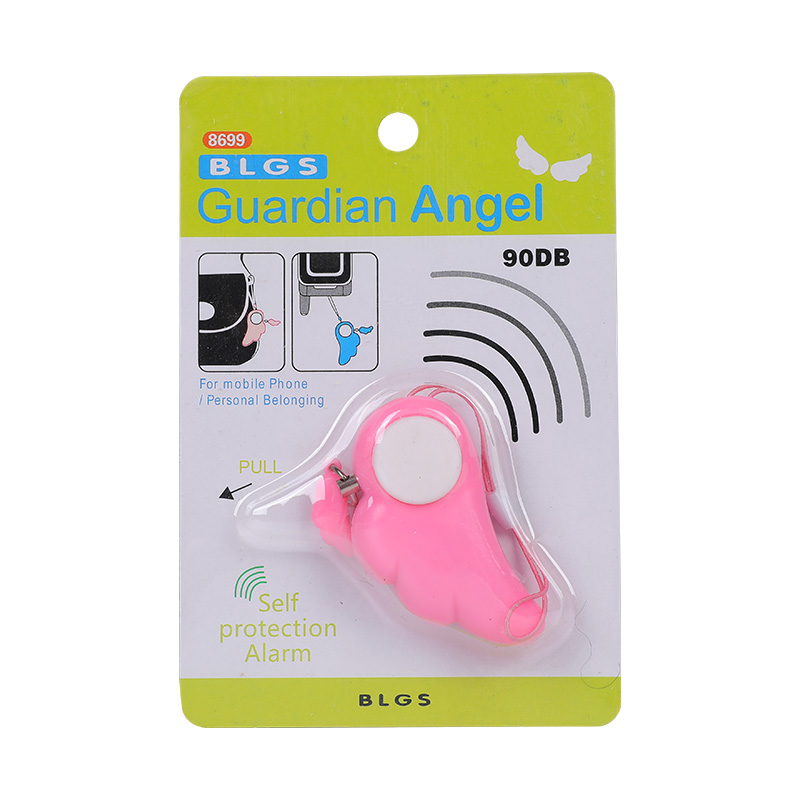
Pull-pin activation remains widely used because the action is direct. Removing the pin immediately triggers the alarm, which reduces hesitation. Button-based systems also exist, designed for quick pressing even when hand movement is restricted.
Daily conditions that influence activation design include:
- carrying bags with limited free hand
- walking while holding phone or items
- wearing gloves in cold conditions
- storing device in tight pockets
In these situations, simplicity becomes more important than extra functions. A design that reacts instantly to a simple motion tends to fit real usage better than multi-step systems.
What Power Setup Supports Long Ready State
A personal siren is not something used often, so its power system is usually designed to stay ready over long periods without frequent attention. The main goal is stable standby rather than continuous operation.
Most devices rely on battery-based energy systems, either replaceable or rechargeable. The choice depends on how the device is expected to be maintained over time and how often it is accessed.
Core expectations of power systems include:
- low energy loss during idle time
- stable output when activated
- simple replacement or charging process
- consistent readiness after long storage
In daily life, a device that needs frequent checking is often ignored, so long standby stability becomes more important than complex power control.
| Feature Area | Common Approach | Real Usage Effect |
|---|---|---|
| Sound output | Repeating alarm tone | Helps draw attention in noise |
| Activation | Pull-pin or press method | Enables fast response |
| Power system | Battery or rechargeable | Supports long standby use |
| Carry form | Keychain or compact shell | Easy daily carrying |
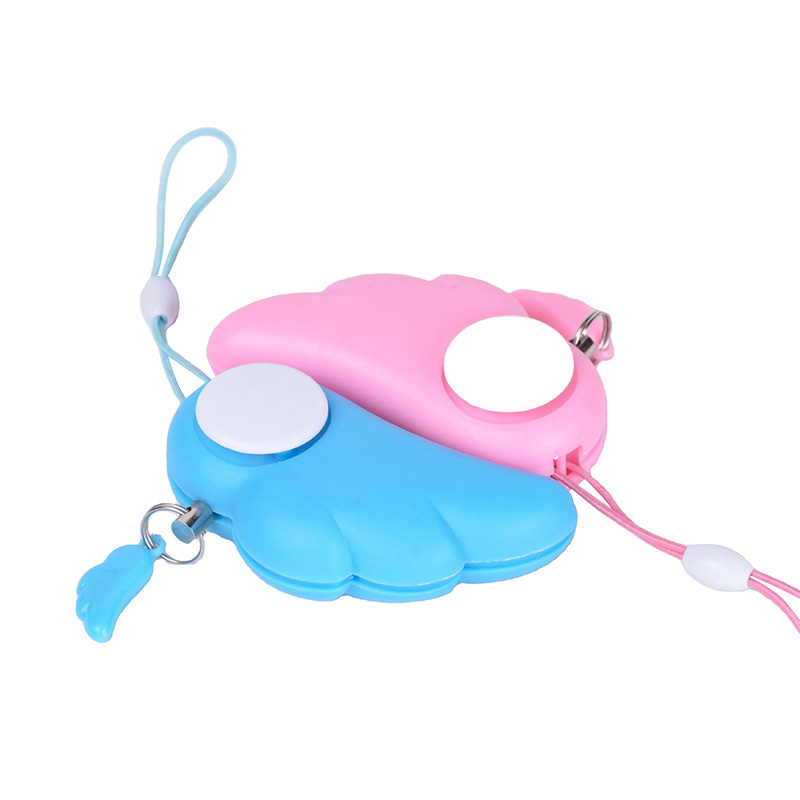
How Portability Influences Daily Carrying Behavior
Portability decides whether the siren is actually present when needed. A device that feels heavy or inconvenient is often left behind, reducing its practical value.
Compact structure allows attachment to items already carried daily, such as keys or bags. Lightweight design helps it stay unnoticed during movement, which supports continuous carrying without discomfort.
In real conditions, portability affects:
- consistency of daily carrying habit
- speed of reaching device in movement
- comfort during long travel or walking
- compatibility with existing personal items
A design that blends into routine carrying tends to remain present more reliably than one that requires extra effort to bring along.
How Durability Supports Everyday Handling Conditions
A personal siren experiences constant small movements, including shaking in bags, friction with other objects, and occasional drops. Durability design focuses on keeping function stable under these ordinary conditions rather than rare extreme situations.
Outer casing usually supports resistance to surface wear, while internal structure reduces movement of components during handling. This helps maintain consistent activation and sound output over time.
Common durability considerations:
- resistance to minor impact during daily movement
- stable internal structure during vibration
- protection from light moisture exposure
- consistent function after repeated handling
Durability is not only about strength, also about keeping performance predictable across repeated everyday use.
How Visual Form Shapes Everyday Carry Decisions
Visual structure in a personal siren tends to influence carrying behavior more than it seems at first glance, since objects used daily are often chosen based on how easily they blend into existing habits rather than how they look on their own. An Original Self Defense Siren is generally shaped in a compact way so it does not interfere with movement when attached to keys, bags, or small storage spaces.
Original Self Defense Siren often avoids complex surface structures, since smooth casing reduces friction with other carried items and lowers the chance of catching on fabric during walking or quick movement.
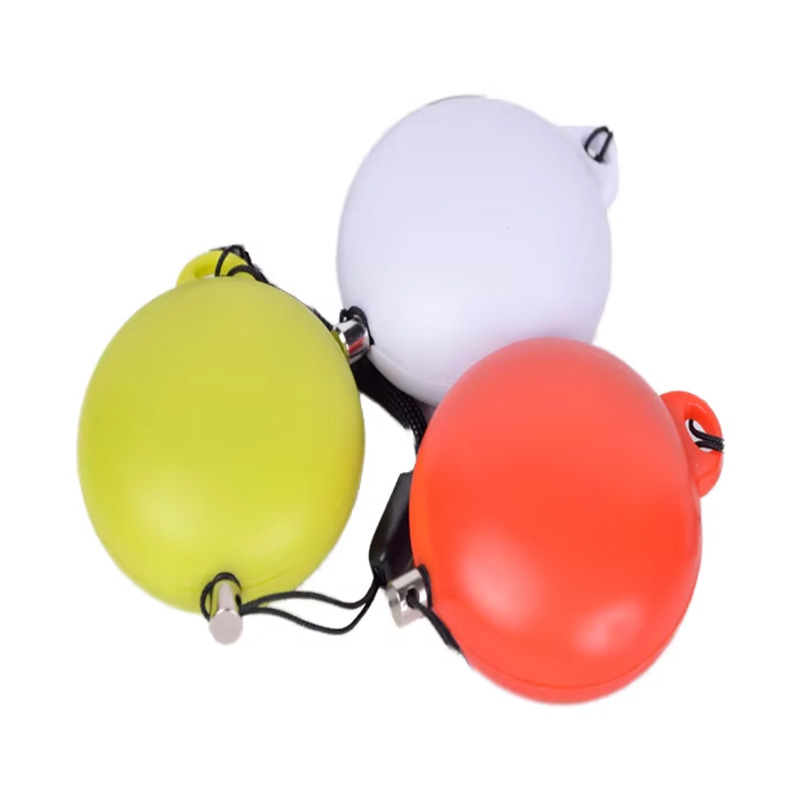
Color and texture choices also affect real-world handling. A brighter surface can make the device easier to locate inside a bag, while muted tones reduce visual attention in public use. Neither direction is absolute, since selection often depends on personal carrying habits rather than fixed rules.
What Additional Functions Appear In Practical Use
Extra functions in personal sirens usually stay close to real environmental needs rather than decorative expansion. The main function remains sound output, while additional elements support visibility or usability in specific situations.
Common additions include:
- small light source for low visibility environments
- multiple alarm tone patterns for varied attention response
- indicator feedback for activation awareness
- combined keychain structure for daily carrying support
A built-in light can help in situations where visibility is reduced, such as searching inside a bag or moving through dim corridors. Multiple tones allow variation in sound pattern, which may help attention response in different acoustic environments.
These additions remain simple in operation, since complexity would reduce usability during quick reaction moments.
How Real Environments Shape Feature Needs
Daily environments are rarely stable, and personal safety tools often pass through different conditions within a short time, such as indoor spaces, outdoor walking areas, and transport systems. Each setting places slightly different expectations on how the siren behaves.
In crowded environments, sound clarity becomes more important than pure intensity, since background noise can shift quickly. In quieter spaces, even moderate sound can travel effectively, making repetition pattern more noticeable than volume alone.
Environmental influence often appears in practical terms:
- urban spaces require clear and repeated alert tones
- travel conditions favor compact size and easy access
- indoor areas rely on sound reflection for reach
- outdoor conditions depend on stable tone delivery
Design choices often reflect these mixed conditions rather than focusing on a single environment.
How Supplier Practices Affect Functional Stability
A Personal Alarm Supplier plays a quiet but important role in keeping device behavior stable across different production batches, especially when it comes to sound consistency and activation reliability.
Personal Alarm Supplier usually focuses on keeping assembly steps controlled so that sound output pattern and activation response remain similar across units, since small differences can affect how the device feels in real use.
Stability in this context is not about visual appearance, it is more about whether the device behaves the same way each time it is used.
Typical focus areas include:
- consistent alarm tone pattern across units
- stable activation response under simple handling
- secure casing fit during movement and carrying
- basic functional testing before release
When these elements remain stable, everyday use becomes more predictable.
| Feature Area | Busy Urban Use | Travel Use | Indoor Use |
|---|---|---|---|
| Sound output | Must stand out in noise | Needs wide reach | Relies on reflection |
| Activation | Fast access needed | Easy retrieval from bag | Simple handling preferred |
| Portability | Keychain-friendly size | Lightweight carry | Compact storage |
| Extra features | Light support useful | Multi-tone alerts helpful | Basic operation preferred |
What Direction Future Development May Follow
Personal safety siren design continues to move toward simpler handling and smoother integration into daily routines, where devices remain present without requiring attention until needed. As daily movement becomes more fluid between environments, carrying comfort and instant response become more central than added complexity.
Possible future tendencies include:
- more compact structure for constant carrying
- simplified activation with minimal movement required
- clearer sound patterns for mixed environments
- lower maintenance needs over long use periods
Rather than adding more functions, design direction often focuses on reducing friction between device and real-life use, so activation feels natural even during sudden situations.