English
  Español
  Deutsch
 Why Do Household Entry Points Require Continuous Monitoring
In most homes, movement in and out of rooms does not happen in a single direction or at a single time, since daily routines involve repeated opening and closing of doors and windows, and entry points naturally become the most active connection between indoor and outdoor space.
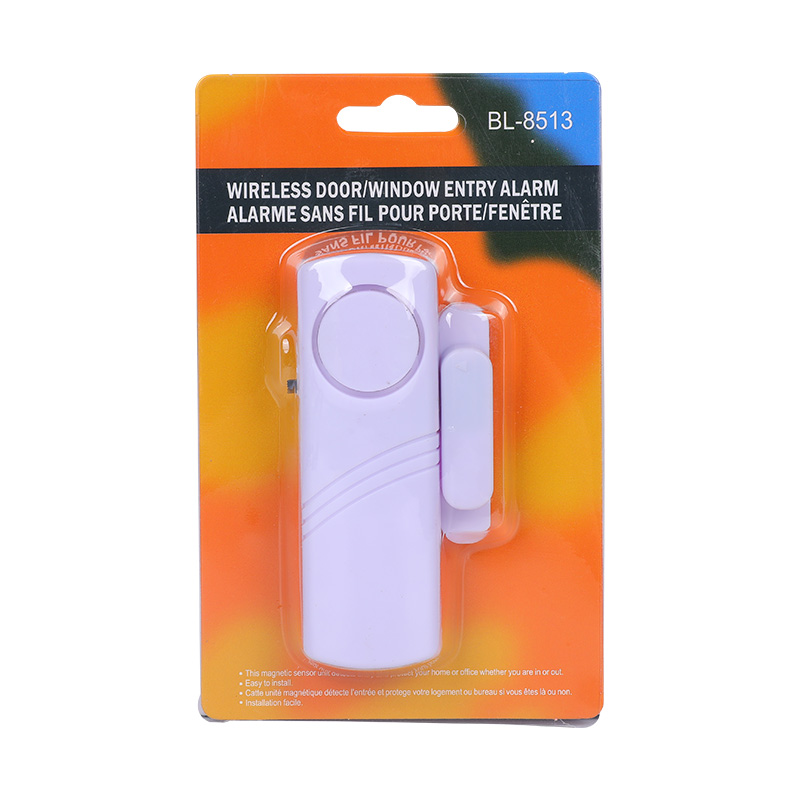
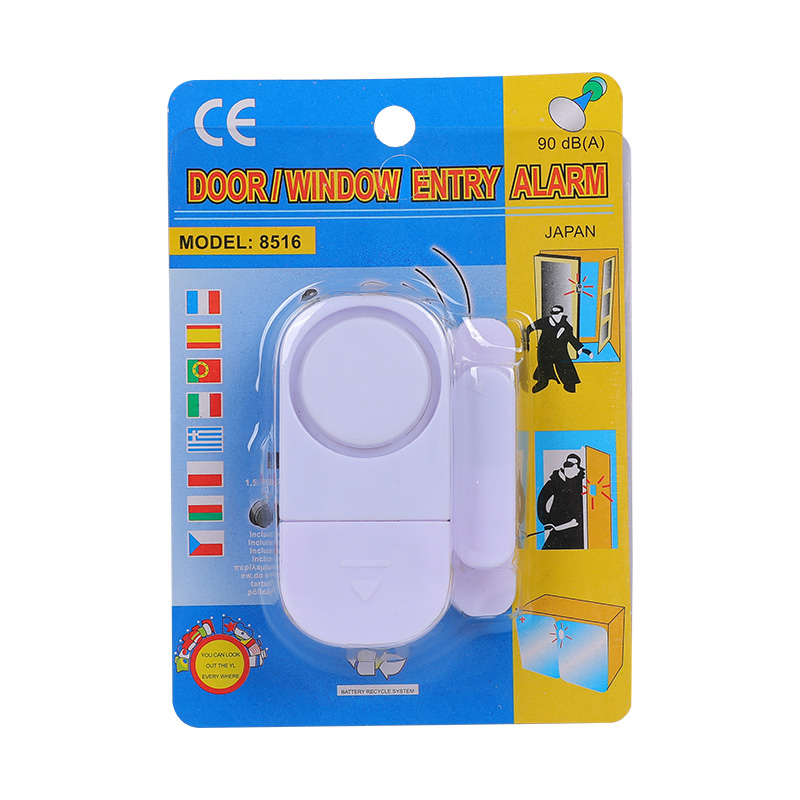
Alarm For Home Windows and Doors is often used in this context to observe basic entry activity, not by changing how people move through space, but by tracking when physical openings change from closed state to open state. Windows and doors carry different roles in a home layout, yet both act as controlled access points where movement can be detected.
Continuous monitoring is not only about external situations, it also reflects internal activity patterns. Household members may move at different times, and rooms may stay unoccupied for certain periods, so entry awareness becomes part of understanding how space is being used during the day.
Common reasons entry monitoring is applied:
- Tracking movement through main access points
- Observing window openings during daily ventilation
- Supporting awareness of room usage patterns
- Maintaining visibility of entry activity across space
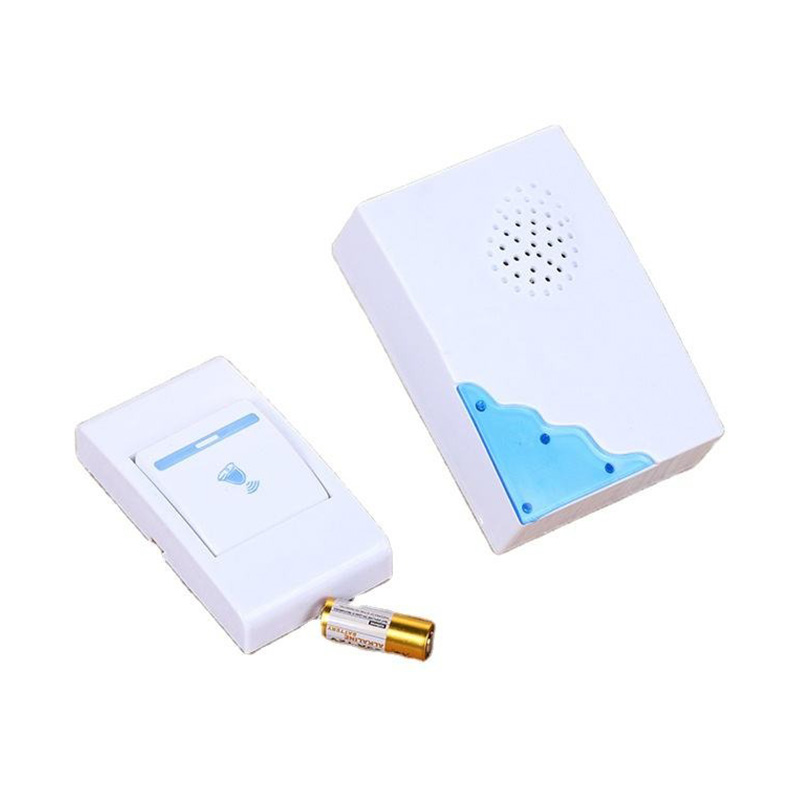
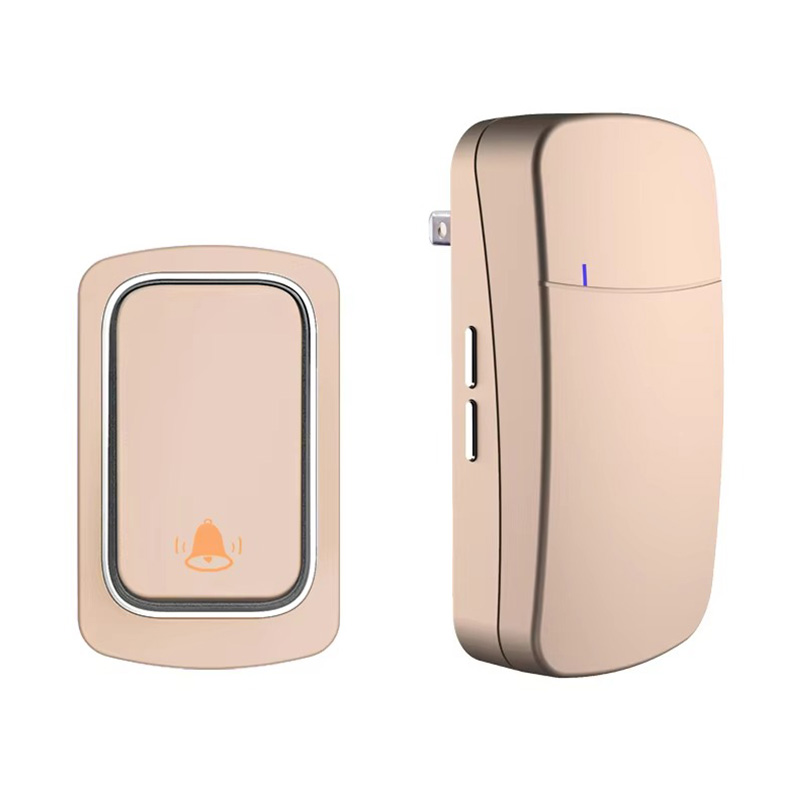
Door Entry Alert System often works alongside this structure, providing a simple response layer when physical entry points change state.
How Does Alarm For Home Windows and Doors Detect Entry Activity
Detection in entry systems is based on movement at physical contact points. When a door or window moves from closed position to open position, a change occurs in alignment between two connected parts of the frame, and that change becomes the basic signal for activation.
Alarm For Home Windows and Doors usually relies on this mechanical shift rather than complex interpretation. The system observes whether the connection between two surfaces stays aligned or separates, and that separation indicates entry activity.
In everyday use, repeated opening and closing is common. Entry systems are designed to respond consistently to these repeated movements without losing stability in detection behavior.
Basic detection behavior includes:
- Monitoring alignment between frame and moving part
- Recognizing separation during opening motion
- Returning to inactive state when closed alignment resumes
- Responding to repeated entry cycles without delay accumulation
The simplicity of this detection method allows it to function across different home layouts without needing complex adjustments.
What Role Does Door Entry Alert System Play in Home Entry Awareness
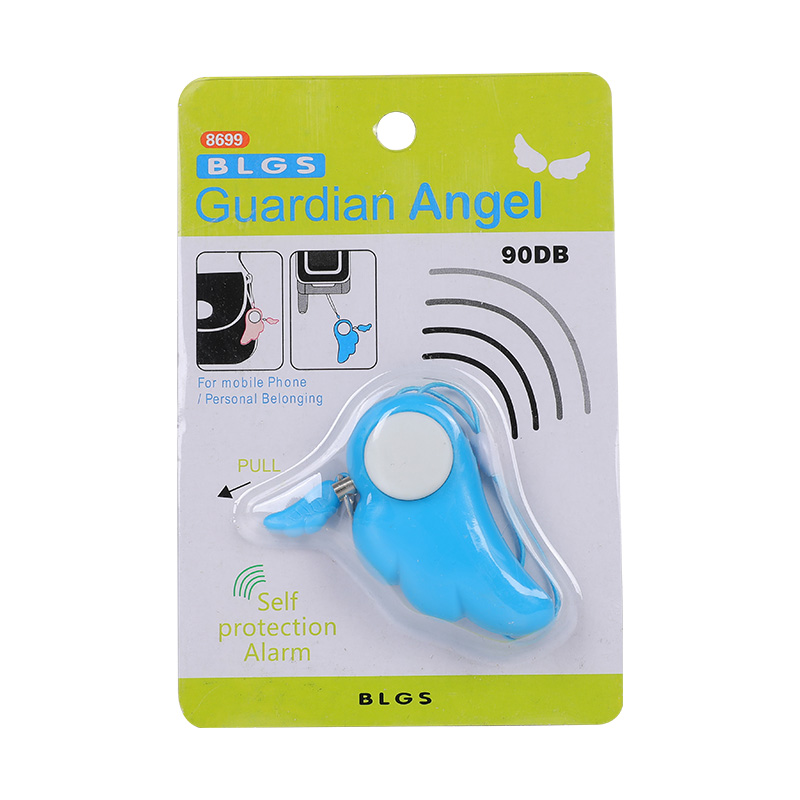
A Door Entry Alert System acts as a response layer that connects detection points with visible or audible feedback. Once entry activity is detected at a window or door, the system transfers that signal to a central point where it becomes noticeable.
In many home environments, multiple entry points exist, and monitoring each one individually would require separate attention. The alert system helps combine these signals into a unified response, allowing awareness of entry activity without needing direct observation at every location.
Coordination between entry points becomes important when different parts of a home are used at different times. A single alert response can represent activity from more than one location depending on system layout.
Typical functional roles:
- Transferring signals from entry points to alert unit
- Providing response feedback after detection
- Supporting multiple entry point coordination
- Allowing centralized awareness of movement activity
How Do Windows and Doors Influence Alarm Placement Strategy
Windows and doors are not uniform in structure, and their movement patterns differ depending on how they are built and how they open. Some windows slide horizontally, others swing outward, and doors may open inward or outward depending on room design.
Alarm For Home Windows and Doors needs to align with these structural differences. Placement depends on how the moving part interacts with the fixed frame, since detection relies on separation between two connected surfaces.
Frame material also influences placement behavior. Smooth surfaces, rigid structures, or flexible edges can slightly change how movement is registered during opening cycles.
Placement considerations often include:
- Direction of opening movement
- Distance between frame and moving panel
- Structural stability of contact points
- Accessibility for consistent detection response
Why Is Entry Monitoring Important in Everyday Household Routines
Household routines often involve repeated transitions between rooms, outdoor spaces, and shared areas. Entry monitoring does not change how movement happens, it simply provides awareness when entry points are used.
During daily activity, attention is usually focused on tasks rather than entry points themselves. Monitoring systems help create a background awareness of movement without requiring direct observation.
This becomes more relevant when rooms are unoccupied for periods of time or when movement happens outside usual patterns. Entry awareness provides a reference point for understanding how space is being accessed.
Common routine-related factors:
- Awareness during room absence periods
- Observation of irregular entry activity
- Support for shared space coordination
- Background tracking of movement flow
How Does Alarm For Home Windows And Doors React To Frequent Daily Use
Inside most homes, doors and windows rarely stay still for long. Someone passes through a room, a window gets adjusted for airflow, then closed again, and the same cycle repeats across different spaces during the day. Alarm For Home Windows and Doors has to keep working through all of that without losing its sense of timing.
The system does not treat every movement as something different. A door opening once or ten times follows the same basic shift at the frame, so detection remains tied to that physical change rather than how often it happens. What matters more is whether the contact between two points breaks and returns, not the reason behind it.
Over time, repeated use can feel like background motion in a home. When that happens, consistency becomes more noticeable than sensitivity. A stable response helps avoid confusion during normal activity, where movement is constant but not unusual.
Typical behavior in daily use:
- Repeated opening and closing still follows the same trigger pattern
- Small adjustments of windows are treated as light movement cycles
- System returns to idle state after each closure without delay buildup
- Continuous household activity does not change basic response logic
What Factors Affect Signal Consistency In Door Entry Alert System
A Door Entry Alert System depends on steady communication between entry points and the place where alerts are received. In a real home, that path is not always clear. Walls divide rooms, furniture sits between spaces, and everyday devices create a kind of background environment that can slightly influence how smooth the signal feels.
Distance plays a quiet role here. A signal from a nearby door often feels more direct, while one from a far corner of the house may pass through more obstacles before reaching the alert point. It still works in the same way, only the path becomes longer.
Inside a home, interference is rarely dramatic. It builds up in small ways, like overlapping signals or repeated activity from different rooms. Over time, these small factors can shape how consistent the alert response feels.
Common influences on signal behavior:
- Distance between entry point and alert receiver
- Room layout and wall separation
- Overlapping activity from multiple household areas
- General electrical or movement background inside the home
How Does System Placement Affect Overall Monitoring Coverage
Placement decides how much of the home is actually covered. A system may include several windows and doors, yet coverage still depends on whether those points are included in a balanced way across the layout.
Main entrances usually carry the most regular movement, while side windows or back doors may stay quiet for long periods. Leaving any of them out creates gaps where activity is not tracked, even though movement still happens there from time to time.
Good coverage is not about adding more points, it is more about placing them where movement naturally occurs. Once that alignment matches how the home is used, monitoring feels more complete without needing extra complexity.
Placement patterns often seen:
- Main door included as central entry point
- Side windows added for secondary movement tracking
- Back or less-used doors covered based on layout
- Even distribution across active areas of the home
How Do Alarm For Home Windows And Doors Systems Fit Into Daily Home Layouts
Homes are designed for living, not for equipment, so any system placed inside has to sit quietly within existing structure. Alarm For Home Windows and Doors usually follows the edges of doors and windows, staying close to the frame instead of occupying open space.
Movement inside a home should not feel restricted. People still open doors, move furniture, or adjust windows without thinking about the system. When placement is done with that in mind, the device becomes part of the structure rather than something that interrupts it.
Over time, it blends into the background. Not visually dominant, not interfering with movement, only present when entry activity actually happens.
Integration usually appears as:
- Placement along natural frame lines
- No obstruction to daily movement paths
- Compatibility with room layout and furniture flow
- Quiet presence during normal household routines
Why Do Entry Monitoring Systems Remain Common In Household Design
Entry monitoring stays relevant because doors and windows will always be part of how homes function. No matter the layout, movement still happens through those same points. Alarm For Home Windows and Doors simply observes what already exists in daily life.
Simplicity also keeps it in use. There is no need for complex interaction or constant adjustment. Once installed, it follows the natural rhythm of household movement without asking for attention.
Another reason is flexibility across spaces. Small homes, larger homes, older layouts, newer layouts, all still share the same idea of entry points. That consistency makes the system adaptable without major changes.
Reasons it continues to appear:
- Works with basic structure already present in homes
- Adapts to different layouts without major adjustment
- Supports awareness without changing daily habits
- Fits naturally into ordinary household movement
| Layout Type | Entry Pattern | Monitoring Character |
|---|---|---|
| Small home | Few entry points, frequent use | Simple and direct tracking |
| Medium home | Balanced movement across rooms | Distributed awareness |
| Large home | Multiple access zones | Wider coverage needed |
| Open layout | Scattered movement paths | Flexible monitoring behavior |
Entry monitoring inside homes is closely tied to daily movement rather than technical complexity. Alarm For Home Windows and Doors and Door Entry Alert System stay in the background of ordinary routines, following doors and windows as they are used naturally, without changing how space is lived in.