English
  Español
  Deutsch
 What Drives The Shift Toward Electric Mosquito Control In Home Environments
Mosquito control inside living spaces has slowly moved away from chemical-heavy methods. Air in rooms, shared surfaces, and small enclosed corners make chemical sprays less practical in many daily situations, so physical and electric approaches start taking a larger role in routine use.
Insects usually move along simple patterns inside a room. Light sources, warm air pockets, and open airflow paths tend to guide their direction. Because of that, fixed barriers alone often feel limited, especially when insects keep shifting between different zones of the same space.
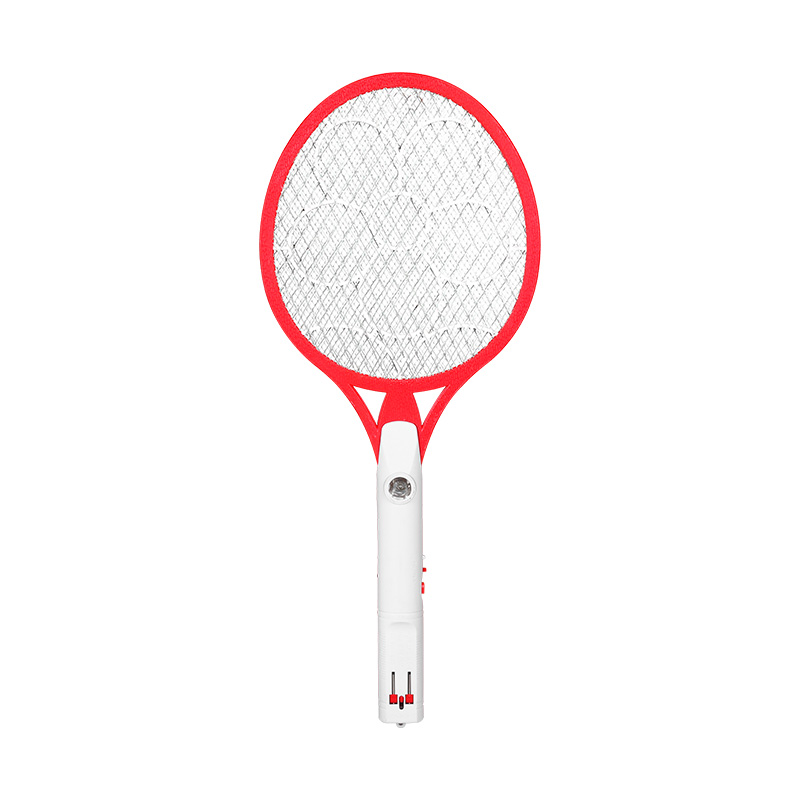
In this setting, mesh-based electric tools and portable devices begin to work together as a kind of layered control instead of a single solution. An Electric Fly Swatter With Light often appears in short-range situations where visibility matters more than distance, while Rechargeable Electric Mosquito Swatter setups allow movement between rooms without dependence on sockets or fixed placement.
Common reasons behind this shift include:
- Insects spreading across multiple small indoor zones instead of one area
- Air circulation reducing the effect of static barriers
- Need for quick response in specific activity spaces
- Preference for tools that can be used and stored without setup time
Control methods gradually move toward flexible positioning rather than fixed installation.
How Electric Fly Swatter With Light Improves Insect Detection In Low Visibility Areas
Low-light conditions change how insects and humans share the same space. Corners, ceilings, and shaded zones often become areas where movement is harder to track. A small light source on a swatter changes that balance by creating a visible reference point in otherwise unclear surroundings.
The light does not function as attraction in a strong sense, it simply marks space. When insects pass through darker areas, their movement becomes easier to notice against a brighter background. Human reaction also becomes more direct because the eye can track contrast instead of guessing direction.
In practical use, several patterns often appear:
- Flight paths become easier to notice near illuminated zones
- Quick direction changes are easier to follow visually
- Missed contact during movement becomes less frequent
- Dark corners become more readable in short bursts of light
An Electric Fly Swatter With Light usually works in short activation moments, where visibility and reaction timing overlap in a very small range. Rechargeable Electric Mosquito Swatter models follow a similar idea, except the focus is more on mobility than constant positioning.
What Mesh Structure Means In Rechargeable Electric Mosquito Swatter Systems
Mesh is the part that defines how insects, air, and electrical function meet in one surface. It is not just a barrier, and not only a conductor, it sits between structure and function at the same time.
Spacing inside the mesh decides how the device behaves in real conditions. When air moves through it, insects follow that same path. The mesh becomes the point where movement meets resistance and electrical response.
Main roles of mesh structure include:
- Acting as a physical separation layer
- Carrying electrical discharge across surface points
- Allowing airflow through open spacing
- Reducing accidental contact with active zones
Rechargeable Electric Mosquito Swatter designs usually adjust mesh spacing to balance safety and interception behavior. Tight spacing reduces free movement, while wider spacing allows smoother airflow but lowers chance of contact.
Mesh is not only a static structure, it also shapes how insects decide to move when approaching the device.
Why Mesh Density Influences Mosquito Protection Efficiency In Practical Use
Mesh density changes how insects behave once they get close to the device. Their movement is not straight or predictable, so spacing between mesh lines becomes a practical factor rather than a theoretical one.
When spacing is narrow, insects have fewer open paths and are more likely to touch the conductive surface. When spacing is wider, movement feels less restricted, though contact becomes less frequent.
Several effects can be observed in real use:
- Narrow mesh increases contact likelihood during movement
- Wider mesh allows smoother airflow but reduces interception
- Medium spacing creates a more balanced behavior pattern
- Irregular spacing can lead to uneven performance zones
| Mesh Condition | Air Movement | Insect Contact Behavior | Usage Feeling |
|---|---|---|---|
| Tight layout | Restricted | More frequent contact | More active response |
| Balanced layout | Moderate | Steady contact rate | Stable behavior |
| Open layout | Free flow | Lower contact chance | Smoother handling |
Electric Fly Swatter With Light systems often rely on visibility support to reduce the gap created by spacing differences, especially in dim environments where tracking insect motion becomes harder.
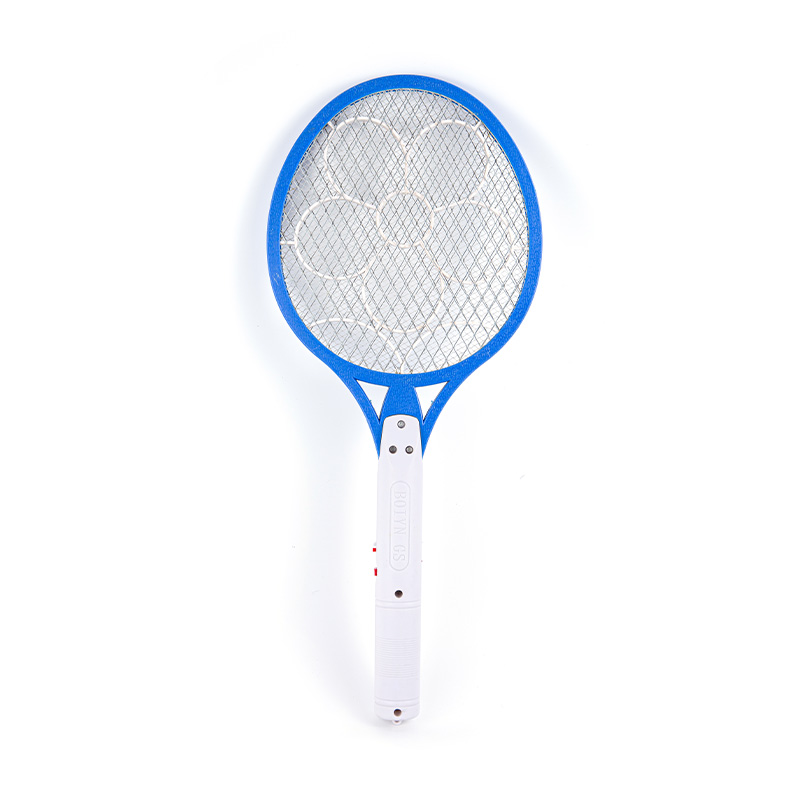
How Rechargeable Electric Mosquito Swatter Design Changes Usage Flexibility
Rechargeable structure changes how the device fits into daily use. Without a fixed power source, movement becomes part of normal operation rather than an extra step.
Instead of staying in one position, the device can move between different activity zones depending on where insects appear. That shift changes how people respond to insect movement inside a space.
Typical usage changes include:
- Movement between rooms without setup interruption
- Quick adjustment to insect location changes
- Use in both indoor corners and semi-open areas
- Short activation cycles matching insect activity bursts
Rechargeable Electric Mosquito Swatter designs reduce dependence on fixed placement, making spatial behavior more important than stationary positioning.
Why Safety Mesh Design Matters In Household Application Scenarios
Inside a home, mosquito control tools often sit very close to daily movement. Hands pass by, objects move around, and sometimes the device is used in narrow corners where space is limited. In that kind of setting, mesh design is not only about killing insects, it also decides how safe the tool feels during use.
The outer structure works like a buffer zone. Even when the inner part carries electrical activity, the mesh keeps a clear distance between that zone and normal contact areas. That separation is simple in idea, yet it changes how the device is handled in real situations.
A few practical points tend to stand out:
- Outer mesh reduces chance of accidental touch
- Internal spacing keeps electrical area contained
- Frame structure supports stable grip during motion
- Open design still allows air to pass through
Rechargeable Electric Mosquito Swatter models often depend on this layered structure because movement is frequent. The device is not fixed in one place, so handling safety becomes part of everyday use rather than a special condition.
How Light Attraction And Mesh Discharge Work Together In Mosquito Control
Light and mesh do not perform the same function, yet they meet in the same working zone. One shapes movement, the other completes contact. The result is a simple chain of behavior rather than a single action.
In darker rooms or shaded areas, small light sources create a visible point that stands out from the background. Insects tend to drift toward that contrast, not because of design intention, but because movement often follows brightness changes in space.
Once insects move closer, mesh becomes the active layer waiting in that zone. Contact happens when flight paths and structure overlap.
The sequence usually looks like this:
- Light creates a visible point in low-light space
- Insects shift movement toward that contrast area
- Mesh sits within or near that same zone
- Contact happens when movement crosses the structure
Electric Fly Swatter With Light often works in short bursts, where visibility and reaction time matter more than long exposure. Rechargeable Electric Mosquito Swatter units follow similar logic, except movement flexibility plays a larger role.
What Environmental Factors Influence Electric Mosquito Swatter Performance
Performance is not only about the device. Surroundings shape how insects move long before they reach the mesh surface. Air, light, and space layout all influence flight paths in subtle ways.
Air movement is usually the most noticeable factor. Even light airflow can redirect insects, changing how predictable their motion becomes. In closed rooms, air tends to circulate slowly in loops. In open spaces, movement spreads out and becomes harder to track.
Other conditions also play a role:
- Room brightness affecting visibility contrast
- Humidity levels influencing insect activity
- Open corners creating gathering points
- Objects in space shaping airflow paths
Electric Fly Swatter With Light behaves differently depending on how clearly insect movement can be seen against the background. Rechargeable Electric Mosquito Swatter use also shifts with environment, since portability allows adjustment to changing activity zones.
How Placement Strategy Affects Electric Mosquito Control Efficiency
Position changes everything in practical use. Even a small shift in height or direction can change how insects interact with the device. Placement is not fixed, especially when insect movement changes through the day or across different rooms.
Insects often stay within certain height ranges. If the device sits too far above or below that range, contact becomes less frequent. Distance from light sources and human activity areas also affects movement patterns.
Common placement behavior includes:
- Near light sources where insects naturally gather
- Away from strong airflow that disperses movement
- Within reach of common insect flight height
- Adjusted depending on room activity level
Rechargeable Electric Mosquito Swatter design makes this adjustment easier, since movement does not depend on fixed installation. Electric Fly Swatter With Light is often used in short-term positioning, shifting as insect activity changes.
How Layered Protection Systems Improve Home Mosquito Control Stability
A single method rarely holds steady performance across different conditions. Mesh, light, and electrical discharge each respond differently to environment, so combining them creates a more stable system in daily use.
Mesh limits physical passage. Light shapes movement direction in darker areas. Electrical contact completes the process when insects enter the active zone. Each part works in sequence, not separately.
A simple flow can be described as:
- Mesh reduces and guides movement paths
- Light creates visible attraction zones
- Electrical surface completes interception
- Combined layers reduce reliance on one condition
This layered structure makes performance less dependent on any single factor like brightness or placement. Instead, different parts cover different gaps in real use.
Rechargeable Electric Mosquito Swatter devices fit into this system through mobility, while Electric Fly Swatter With Light adds a visual layer that helps guide movement in short-range control.
Together, mesh structure, light guidance, and electrical response form a connected setup that adapts to different indoor conditions without needing fixed patterns or constant adjustment.