English
  Español
  Deutsch
 Why Do Modern Office Workspaces Need a Small Quiet Fan For Office Use?
Office air rarely feels the same across different seats. One spot may feel slightly warm, another feels still, and sometimes the air just sits in place for too long. Central ventilation keeps the whole room moving, yet it does not always solve the small comfort gap around a single desk.
That is where a Small Quiet Fan For Office use comes in. It does not try to change the whole room. It works in a smaller range, close to where a person actually sits and works. The idea is simple: keep air gently moving around the body so the space does not feel stagnant during long sitting hours.
Most office desks are already crowded. A monitor, keyboard, notes, and small items leave little extra room. Because of that, compact size matters more than people expect. A small unit can sit beside a screen, under a shelf, or in a corner without forcing a full rearrangement of the workspace.
There is also the human side of office work. Long screen time often makes people stay in one position for too long. When the air around the body does not move, the environment can feel heavier over time, even if temperature stays the same. A soft airflow helps break that stillness.
Common situations where this becomes noticeable:
- Long typing or writing without breaks
- Shared desks with different comfort preferences
- Rooms where air circulation feels uneven
- Work areas close to equipment or walls
- Small home office corners with limited airflow
The effect is not about strong cooling. It is more about keeping air from feeling stuck around the workspace.
What Makes Noise Control So Important in a Small Quiet Fan For Office Settings?
In office spaces, sound carries easily. Even a small mechanical hum can stand out when everything else is quiet. A Small Quiet Fan For Office is often expected to stay in the background, almost unnoticed during work.
Noise usually comes from movement inside the device. When parts rotate, any slight imbalance creates vibration. That vibration turns into sound. Air passing through tight or uneven paths can also add a light rushing tone. When both happen together, the sound becomes more noticeable.
A smoother internal motion usually reduces that effect. Air that moves in a steady path does not create sudden changes in sound level. Instead of drawing attention, it blends into the environment.
| Airflow behavior | What it feels like during work |
|---|---|
| steady movement | fades into background |
| uneven airflow | keeps drawing attention |
| stable rotation | easier to ignore |
| vibration present | slowly becomes distracting |
Placement also changes how sound is perceived. A fan placed directly next to the keyboard feels louder than the same device placed slightly to the side. Even a small shift in position can change the experience.
In office use, people usually care less about power and more about how quietly the airflow stays during long hours.
How Does Airflow Design Affect Comfort During Long Working Hours?
Comfort is not only about air strength. It is more about how the air reaches the body over time. A Small Quiet Fan For Office is often used for hours at a time, so airflow needs to feel steady instead of forceful.
People rarely sit in the same position all day. Leaning forward toward the screen, shifting back in the chair, or turning slightly to one side all change how airflow feels. A fixed direction may feel fine at first, then less suitable later.
That is why adjustable direction matters. A small change in angle can make airflow feel softer or more natural depending on posture.
Different placements create different experiences:
- Side placement gives a light flow across the face
- Corner placement spreads air across a wider desk area
- Slight upward angle creates a falling airflow feeling
- Lower placement sends air upward toward hands and face
In long working hours, strong airflow is not always comfortable. A softer and wider movement of air usually feels easier to live with during long focus periods.
Desk layout also plays a role. Open space allows air to move freely, while crowded surfaces can block or redirect airflow in unexpected ways. Even moving a notebook slightly can change how air reaches the user.
What Structural Features Help a Small Quiet Fan For Office Maintain Stable Operation?
Inside a Small Quiet Fan For Office, everything depends on balance. If internal movement is smooth, the airflow feels steady. If something inside is slightly off, the effect can be felt during long use.
Motor alignment is one of the key parts. When rotation stays even, vibration stays low. When it is not balanced, small shaking can slowly build up into noticeable noise or uneven airflow.
Blade shape also affects how air moves. Smooth curves help air pass in a cleaner path. Sharp changes or uneven spacing can create small turbulence inside the housing, which affects both sound and airflow feel.
The outer structure is not just a cover. It holds everything in place and reduces how much vibration reaches the desk surface. A stable frame makes the device feel calmer during operation.
A simple breakdown helps show the relationship:
| Part | What it affects in daily use |
|---|---|
| motor balance | steady rotation feel |
| blade design | airflow smoothness |
| outer shell | vibration control |
| internal spacing | air movement consistency |
Material choice also matters in a practical way. Lighter structures are easier to place around a desk, while still needing enough firmness to avoid shaking during operation.
When all parts work together smoothly, the airflow feels more even and less noticeable in the background of office work.
How Do Energy Behavior and Heat Management Influence Continuous Use Performance?
Office airflow devices are often left running for long stretches of time. Because of that, internal heat and energy stability slowly become part of the overall experience.
As the device runs, internal parts naturally warm up. If that heat stays in one area, performance can feel slightly uneven over time. Small internal air paths help move heat away so the structure does not hold too much warmth inside.
Energy stability also plays a quiet role. When power flow stays steady, rotation stays even. When it fluctuates, airflow can feel slightly different without any visible change in the device itself.
Some common design ideas that support long use:
- internal gaps that allow heat to spread
- simple airflow paths inside the structure
- balanced load on moving parts
- materials that do not hold heat too long
In office use, consistency matters more than short bursts of strong airflow. A stable feeling over hours of work is often what people notice most, even without thinking about it directly.
In What Ways Do Mini Fan Manufacturers Influence Product Development Trends?
Workplace airflow devices may look simple from the outside, yet a lot of adjustment happens behind the design stage. Mini Fan Manufacturers often work around very practical needs rather than visual changes. Office use, in particular, pushes designs toward steadiness and long-hour comfort instead of short bursts of airflow.
One common direction is internal balance. Small changes in motor alignment or blade spacing can shift how air moves through a compact body. When airflow feels uneven, users tend to notice it more during quiet desk work. Because of that, smoother internal motion becomes a focus point.
Another direction relates to how the device fits into different desk environments. Office layouts are not uniform. Some desks are narrow and shared, while others are more open. A compact structure that can sit without taking attention away from the workspace becomes more practical in both cases.
Adjustments often appear in areas such as:
- simplified internal structure for steady airflow
- reduced vibration through tighter component fitting
- softer airflow paths to avoid sudden air changes
- flexible positioning to match different desk heights
- easier placement near screens or document areas
Instead of chasing stronger airflow, many design choices move toward consistency. In long working sessions, a stable and quiet background airflow tends to feel more natural than something that shifts too often.
How Does a Mini Handheld Cooling Fan Differ From Desk-Oriented Airflow Devices?
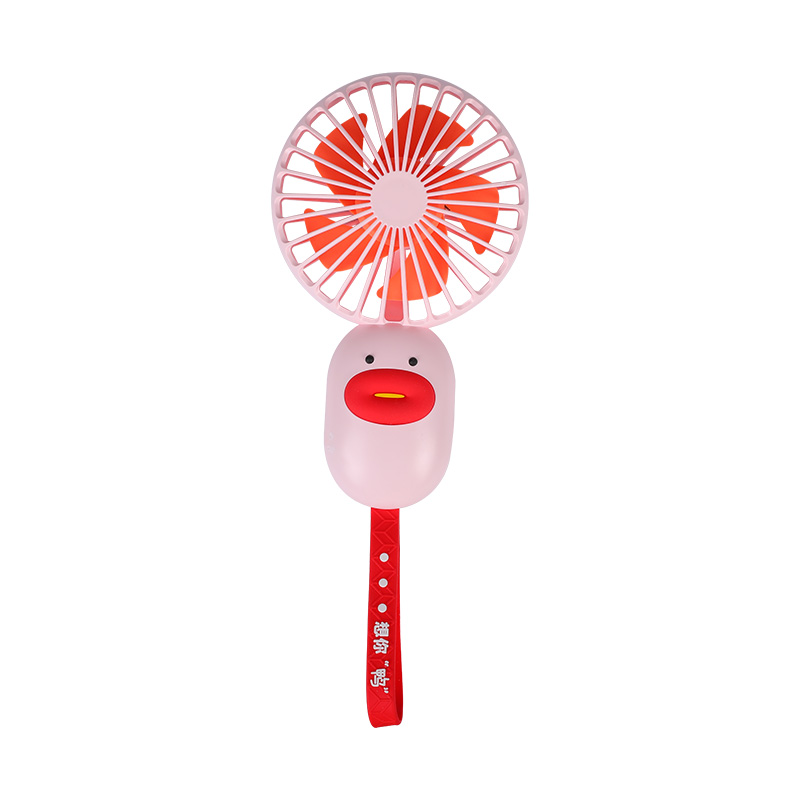
A Mini Handheld Cooling Fan serves a different rhythm of use compared with a desk-based Small Quiet Fan For Office. One stays in place, the other moves with the person. That difference changes how airflow is experienced.
Handheld devices are usually used in short moments. Walking between rooms, stepping outside briefly, or moving around an office building are typical situations. The airflow is direct and personal, often held close to the face or neck for immediate effect.
Desk devices work differently. They stay in one position and support longer periods of work. Instead of direct bursts of air, they provide a steady background flow that blends into the working environment.
The contrast becomes clearer when placed side by side:
| Aspect | Mini Handheld Cooling Fan | Desk Airflow Device |
|---|---|---|
| Movement | carried during use | stays fixed |
| Usage time | short sessions | long sessions |
| Air direction | direct and close | wider and softer |
| Work role | temporary comfort | continuous support |
| Placement | hand-held position | desk surface area |
Handheld airflow feels more immediate, almost like a quick response to heat or discomfort. Desk airflow feels more passive, staying present without needing attention.
In office routines, both can appear together. The desk device supports long focus periods, while the handheld option fills small gaps when moving away from the workstation.
What Maintenance Factors Affect Long-Term Performance of Small Quiet Fans?
Over time, any airflow device starts to interact with the surrounding environment. Dust in the air slowly collects on blades and internal surfaces. Even a thin layer can change how air moves through the device, which may affect smoothness and sound.
A Small Quiet Fan For Office is usually used daily, so simple maintenance habits matter more than complex care. Easy access to the surface or internal area helps keep airflow consistent without much effort.
Cleaning does not need to be complicated. The main idea is to keep airflow paths clear so air can move without resistance. When airflow is blocked slightly, the device may start to feel less steady during operation.
Common factors that influence long-term use include:
- dust buildup on rotating parts
- blockage in airflow paths
- uneven surface wear over time
- loose fitting from frequent repositioning
- reduced airflow smoothness from residue accumulation
Design also plays a role in maintenance. When surfaces are easier to reach, cleaning becomes more practical in daily routines. Devices that do not require complex disassembly are often more convenient in office environments where time is limited.
Another point is storage and placement. Devices placed very close to paper stacks or open windows may collect dust more quickly. Slight adjustments in position can reduce exposure without changing airflow direction too much.
Long-term performance is less about sudden changes and more about slow shifts in airflow feel. Regular light care helps keep that feeling stable over time.
Small airflow devices in office environments sit in a quiet role. They do not change the room in a visible way. Instead, they influence small comfort details that appear during long hours of sitting and focusing.
A Small Quiet Fan For Office fits into that space where silence, consistency, and light movement matter more than intensity. Its value often becomes noticeable only during extended use, when still air starts to feel heavier and small airflow changes make work feel more comfortable.
In different working setups, the same device may feel slightly different. Desk spacing, posture habits, and room layout all shape the experience. That variation is part of why design keeps shifting toward flexible positioning and steady output rather than fixed performance styles.
Mini Fan Manufacturers continue to adjust these devices around real usage patterns, while handheld cooling options remain a separate but related choice for movement-based situations. Both forms reflect the same general idea: keeping airflow close enough to matter, without interrupting the work itself.