English
  Español
  Deutsch
 How Does Handle Design Influence Comfort When Using A Rechargeable Electric Mosquito Swatter?
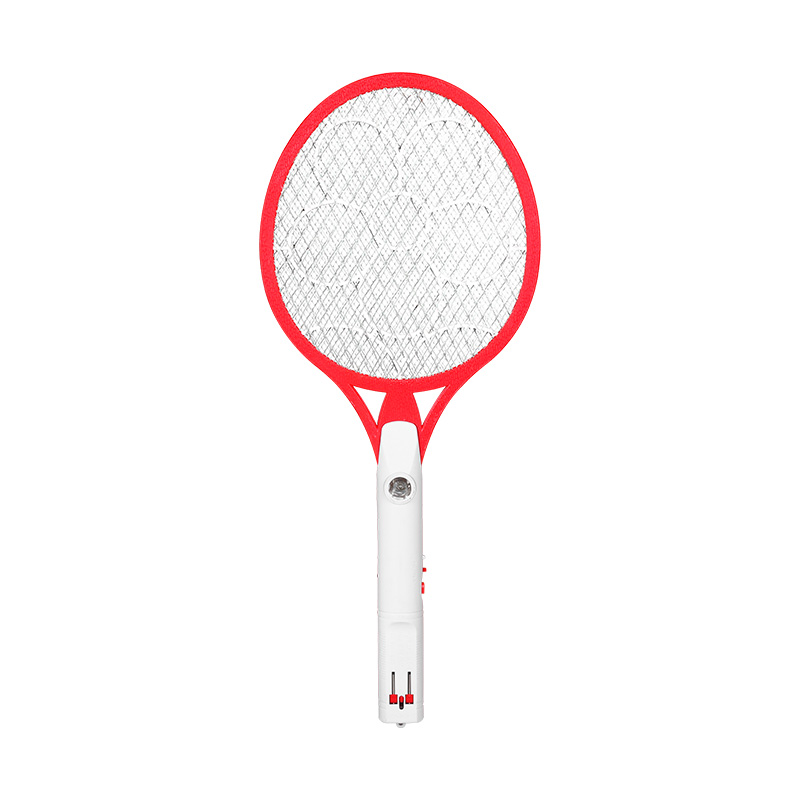
Most people assume a Rechargeable Electric Mosquito Swatter is simple: a handle, a mesh head, a switch somewhere near the thumb. It works, yes, but using it for a few minutes in a kitchen, living room, or porch shows where comfort matters. The handle ends up carrying the strain, not the mesh or the switch. A slight curve, a soft texture, or even how heavy it feels can completely change how long someone can use it without fatigue.
Electric Fly Swatter With Light adds a little complication. The light is helpful in dim corners, but the added weight subtly shifts how the wrist and hand feel the tool. Sometimes the light makes targeting easier, but it also exposes small flaws in the handle. Too thin, too thick, too smooth—each variation changes how your wrist moves and how your fingers grip.
Electric Bug Swatter Racket often lives in crowded spaces. Furniture, narrow corners, and other obstacles limit arm swings. Wrist motion becomes more critical than arm motion. Handles that feel wrong make even short sessions tiring. Small changes in shape or texture are noticeable immediately when you have to swing quickly or adjust angles.
Observations that make a difference in daily use:
- Shape: Slight curves match natural hand posture, which reduces strain.
- Surface: Textured areas prevent slipping without forcing a tight grip.
- Weight balance: Batteries near the grip create a pivot point, making swings smoother.
- Grip size: Too thick or thin changes how fingers wrap around, affecting comfort.
A subtle point: people adjust their hand without noticing. Fingers tighten or loosen to compensate for awkward shapes. Wrists twist slightly to maintain control. Over time, these micro-adjustments accumulate, leading to fatigue. Handles that feel aligned with wrist motion let the swatter move almost like an extension of your arm, not just a tool you hold.
Why Do Grip, Weight, And Balance Matter In A Rechargeable Electric Mosquito Swatter Handle?
Grip matters more than weight alone. Friction determines how firmly you need to hold the swatter. A good texture allows a secure hold with less finger tension. Less tension equals less wrist strain, especially over repeated swings.
Weight placement quietly changes comfort. When batteries sit inside the handle, swings feel smoother because the center of gravity moves closer to your hand. Too light? The swatter can wobble. Uneven weight? The top may feel heavy, and your hand compensates constantly. Both make long indoor sessions tiring.
Electric Fly Swatter With Light combines this weight with the need for visual attention. Dim areas already demand focus. A handle that feels off makes coordination harder, even if the light itself works well.
Practical points to notice during use:
- Textured grip: Reduces slipping, allows lighter finger pressure.
- Balanced weight: Supports wrist motion without effort.
- Slim shape: Lets the wrist change direction quickly.
- Battery placement: Centers weight near the hand for a natural swing.
Wrist tension reflects confidence in the handle. When it feels steady, fingers relax, and the wrist feels less stressed. Small differences in tension make repeated swatting much more manageable, whether by a window, near a light, or in a hallway.
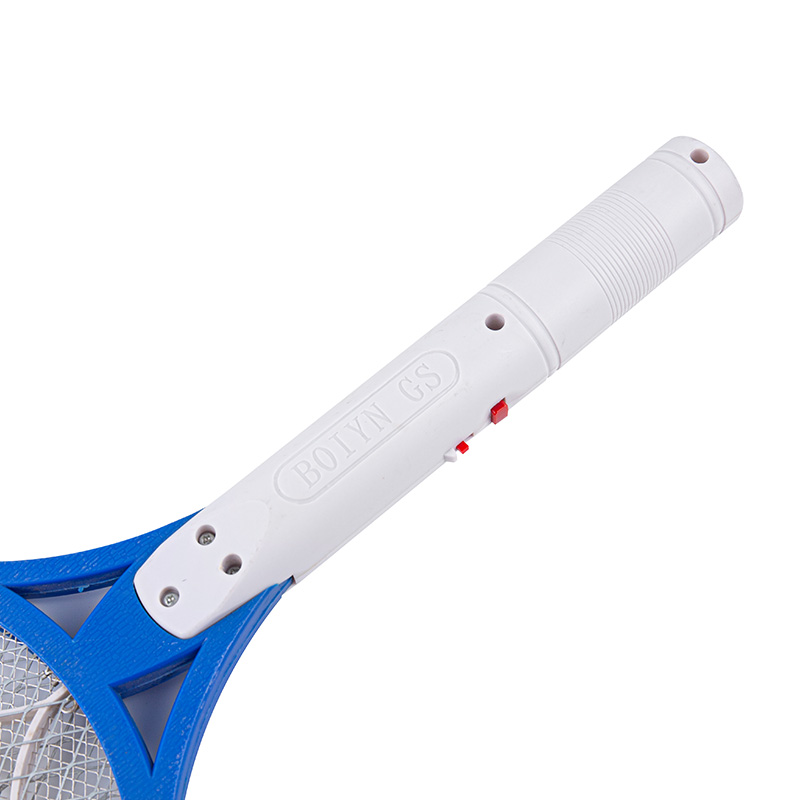
How Does Handle Design Affect Safety And Button Control During Daily Use?
Button placement is easy to overlook, but it makes a difference. A trigger under the thumb allows activation without changing grip posture. The hand doesn't have to adjust mid-swing, and eyes stay on the target.
Rechargeable swatters often separate overall power from swatting action. One switch turns the device on or off, while another triggers electricity to the mesh. This reduces accidental zaps while cleaning or storing the tool.
Everyday observations:
- Side buttons: Comfortable for fingers during quick swings.
- Front triggers: React quickly, suitable for fast movements.
- Dual-switch layout: Keeps the device safe when idle.
Electric Fly Swatter With Light sometimes combines power and illumination buttons. Poor spacing can cause accidental activation when gripping. Proper layout allows smooth operation, keeping motion fluid. Predictable trigger resistance matters more than fancy features. It prevents the hand from fighting the device instead of guiding it.
What Role Does Handle Structure Play In Reach, Movement, And Flexibility?
Indoor spaces rarely offer wide-open motion. Furniture, walls, corners—these force the swatter into a limited range. Handles with adjustable lengths extend reach without forcing the wrist to twist awkwardly. Rotating heads adjust angles so the mesh meets insects without extra strain.
Electric Fly Swatter With Light requires attention in dim corners. Misalignment between the light and mesh may make targeting awkward. Flexible handles let the wrist move naturally, letting the user respond quickly.
Some practical points for indoor use:
- Telescopic handles: Adjust length to reach ceiling corners or hidden areas.
- Rotating heads: Reduce wrist twisting during angled swats.
- Short handles: Offer better control in tight spaces.
- Balanced frames: Keep swings stable and precise.
Reduced wrist motion comes naturally with flexible designs. Less twisting, less tension. Electric Bug Swatter Racket designs often aim for a balance of reach and control, letting users handle daily indoor swatting without discomfort.
| Design Element | Function | Practical Effect |
|---|---|---|
| Telescopic handle | Adjustable reach | Easier access to high or hidden spots |
| Rotating head | Direction flexibility | Less wrist twisting |
| Compact length | Tight-space control | Better indoor maneuverability |
| Balanced frame | Stable swing path | Smoother motion |
How Do Material Choices Affect Comfort And Daily Use?
When you hold a swatter, the first thing you notice is the feel in your hand. Handles made from slightly soft plastic or rubberized surfaces reduce slipping and make long swatting sessions less tiring. Smooth plastics can feel slippery, especially when hands sweat. That tiny adjustment you make with your fingers every few seconds can slowly tire your wrist.
The mesh also affects handling. Thin metal swings fast, but bends easily if it hits a wall. Thick metal resists pressure but feels heavier, putting more strain on your wrist. Designers often balance the two—weight, stiffness, and feel. Even minor changes show up quickly when using the swatter repeatedly.
Practical notes from daily use:
- Handle coating: Soft touch keeps grip steady without squeezing.
- Mesh material: Lightweight swings faster; reinforced stays straight under pressure.
- Finish: Matte textures prevent slipping in humid conditions.
Small details make a surprising difference. Rounded edges feel better over minutes of use. Sharp corners create pressure points and force micro-adjustments. Over time, these minor tensions can lead to noticeable wrist fatigue.
How Does Mesh Design Affect Safety And Handling?
The mesh needs to trap insects while keeping fingers safe. Gaps too wide risk accidental contact. Too dense and it's harder to clean. A well-thought-out grid keeps insects in and fingers out, which makes the swatter easier and safer to use every day.
Weight also comes into play. Denser mesh feels slightly heavier and changes wrist motion. Lighter mesh swings more easily but bends more easily. Coatings on the metal help prevent corrosion and keep the mesh smooth for repeated use.
Important points for daily handling:
- Grid spacing: Tight enough to prevent shocks, wide enough to catch insects.
- Protective coating: Avoids rust, keeps surface smooth.
- Weight balance: Matches handle design to avoid awkward swings.
Even small tilts of the mesh can help. Slightly angled grids reduce wrist strain, especially when aiming high or reaching corners.
How Does Built-In Lighting Affect Use?
Electric Fly Swatter With Light adds visibility, which is useful in dim areas. The placement of the light matters. Lights pointing forward naturally guide the eyes. Poorly positioned lights create shadows that confuse your aim.
Lighting also shifts weight slightly. Extra weight at the head can make swings feel top-heavy. A well-designed handle balances that, keeping swings smooth.
Notes for practical use:
- Forward light: Guides eyes for precise targeting.
- Weight adjustment: Keeps swing natural even with light attached.
- Brightness: Clear enough to see insects without glare.
A balanced lighted swatter lets the wrist move naturally. Less twisting, less tension, and more accurate swatting.
How Do Storage Features Improve Daily Convenience?
Handles often have loops or holes to hang the swatter. Simple, but it changes use. If a swatter is easy to reach, you use it more. Hanging it high keeps it out of reach of kids or pets.
Foldable or telescopic handles save space. Folded, they fit in drawers; extended, they reach high ceilings. Stability is key. Loose folding mechanisms make swings awkward, forcing grip adjustments mid-use.
Practical points for indoor use:
- Hanging loops: Organize and store safely.
- Foldable handles: Save space without reducing reach.
- Stability: Avoid wobbling when swinging or storing.
Small touches like recessed hooks or fold-out stands make retrieval faster. Convenience encourages regular use instead of letting the swatter sit unused.
How Do Design Choices Support Long-Term Comfort?
Comfort is cumulative. Wrist fatigue, finger tension, and swing control all matter after repeated use. Handles that feel natural initially continue to feel comfortable as sessions go on.
Materials, weight, texture, mesh, and lighting all interact. Good design lets the swatter move with the user rather than forcing the user to adjust constantly. Long-term comfort isn't about one feature; it's about the combination.
Daily observations:
- Low finger tension: Fingers don't grip too hard even during repeated swings.
- Fluid wrist motion: Minimal twisting or bending.
- Stable grip: Less chance of slipping or awkward adjustments.
- Predictable mesh behavior: Swats connect with insects efficiently without extra effort.
Over time, a well-designed Electric Bug Swatter Racket feels like an extension of your hand. Fatigue is minimized, and indoor insect control becomes easier, smoother, and less frustrating.