English
  Español
  Deutsch
 Commuting is rarely consistent. One part of the trip might feel fine, then a few minutes later the air feels heavy, still, or simply uncomfortable. It shifts depending on where you are—inside a vehicle, waiting outside, walking through open streets. In those small transitions, people often rely on very simple tools to feel more comfortable. A Small Portable Handheld Fan is one of those tools that doesn't change the environment, but changes what a person feels in it.
In discussions around compact personal airflow products, names such as YIWU JIUXIN ELECTRIC CO., LTD. may appear in the background when people talk about how small fan structures are built or used in everyday mobility settings. It is not something users usually focus on, but part of the wider context of how these devices exist in daily life.
Commuting Comfort Is Not A Fixed Condition
Daily travel is full of small shifts. Temperature, airflow, and crowd density change from one moment to the next. The body reacts quickly, even if the change is slight.
Common situations include:
- Standing still in crowded transport areas
- Walking between indoor and outdoor spaces
- Waiting in places with limited air movement
- Passing through narrow or enclosed corridors
Comfort in these moments is not about controlling the whole environment. It is about adjusting personal feeling in a very small space around the body.
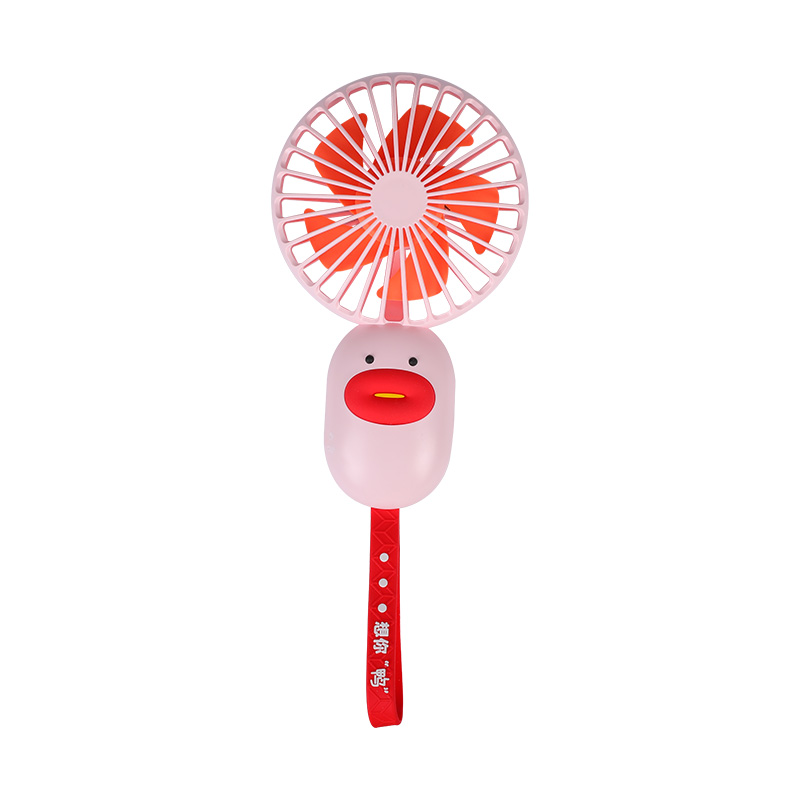
What A Small Portable Handheld Fan Actually Does
A handheld fan does something very simple. It moves air in one direction using rotating blades powered by a small internal system.
Inside, the structure usually includes:
- A small rotating blade set that pushes air forward
- A compact motor that keeps movement steady
- A shell that protects the internal parts
- A power source that supports short-term use
Air is drawn in and pushed outward. That's all. But that simple movement creates a noticeable change in how close air feels around the face or upper body.
Why Portability Matters In Real Movement
A device only becomes useful in commuting when it doesn't interrupt movement. A fan like this is often carried without planning a specific time to use it.
In real situations, portability shows up as:
- Being easy to hold while walking
- Not taking up attention when stored in a bag
- Quick access when the air feels uncomfortable
- No setup needed before use
Most people don't “prepare” to use it. They just reach for it when conditions shift.
Airflow That Stays Close To The User
The airflow from a handheld fan is not meant to fill a space. It stays close, following the direction of the hand.
What usually happens during use:
- Air moves toward the face, neck, or hands
- Direction changes slightly with wrist movement
- Effect stays within a short range
- Surrounding air still influences how it feels
Even a small tilt can change the feeling of airflow. That's why people often adjust it repeatedly during use.
Power Use Fits Short Moments
Instead of running continuously, handheld fans are usually used in short bursts throughout the day. This matches how commuting actually works—brief discomforts rather than long continuous exposure.
Typical patterns include:
- Turning it on while waiting
- Switching it off when moving again
- Using it only in specific crowded spots
- Charging it between daily routines
| Situation | How It’s Used | What It Feels Like |
|---|---|---|
| Short waiting period | Quick activation | Immediate airflow relief |
| Walking movement | Occasional use | Adjusted comfort on the go |
| Crowded space | Repeated short use | Personal air pocket feeling |
Sound In Shared Spaces
In public environments, sound matters more than people expect. A handheld fan is often used around others, so its operation sound becomes part of the experience.
In practice, people tend to notice:
- Whether the sound blends into background noise
- Whether it changes suddenly or stays steady
- Whether it affects nearby people in quiet spaces
- Whether it feels noticeable in crowded transport areas
Most of the time, it just becomes part of the surrounding noise rather than standing out.
How It Feels In The Hand
Because it is held directly, comfort is not only about airflow but also about grip and handling.
Common handling impressions include:
- A shape that can be held without effort
- A surface that doesn't feel rough or sharp
- Buttons placed where fingers naturally reach
- Weight that does not feel distracting during movement
These details are small, but they decide whether people keep using it throughout the day.
Where It Gets Used During Commutes
The same device can move through many different spaces in a single day.
Typical environments include:
- Transport stations or platforms
- Walking paths between buildings
- Waiting areas with still air
- Indoor transitions with changing temperature
Each place changes how the airflow feels, even though the device stays the same.
Airflow In Crowded Conditions
Crowded spaces reduce natural air movement. In those situations, a handheld fan creates a very small personal airflow zone that moves with the user.
What usually happens:
- Air stays close to the body
- Surrounding movement slightly shifts airflow direction
- Relief is limited but noticeable
- Comfort depends on positioning and angle
It doesn't change the space. It just changes what one person feels inside it.
Use Changes With Weather Conditions
People don't use handheld fans in the same way all year. Their use changes naturally with environment.
Common behavior shifts include:
- Frequent use in warmer periods
- Occasional use when weather is mild
- Little or no use in cooler conditions
- Different carrying habits depending on the day
It becomes part of seasonal routine rather than constant usage.
Basic Safety Awareness During Use
Even simple tools need attention when used while moving.
Practical habits include:
- Keeping distance from hair or loose fabric
- Avoiding use while walking in unstable conditions
- Holding firmly in crowded spaces
- Keeping airflow directed away from sensitive areas
These are not strict rules, just small habits that keep use smoother during travel.
Maintenance And Small Everyday Care
A handheld fan does not need much attention, but over time it naturally collects dust and shows signs of regular use. Most of the care happens quietly, without any fixed routine.
In daily situations, people usually:
- Wipe the outer surface when it feels dusty
- Clear light debris around air openings
- Check if airflow feels weaker than before
- Keep it stored in a dry place when not needed
These are small actions, often done only when something feels slightly different during use rather than on a schedule.
How People Actually Use It Over Time
With repeated commuting, usage patterns slowly become predictable. It is rarely about long continuous use, but more about short reactions to changing comfort.
Common habits include:
- Turning it on while waiting in still air
- Switching it off when walking again
- Holding it in one hand while carrying items
- Adjusting angle without thinking too much
After a while, it becomes part of movement habits rather than a separate device that needs attention.
Design Behavior And Small Practical Changes
Over time, users start to notice small differences in how the device feels, not because it changes suddenly, but because handling repeats.
What tends to happen:
- Grip becomes slightly smoother from repeated holding
- Buttons feel more familiar and easier to reach
- The device is positioned automatically without looking
- Adjustments happen instinctively during use
It slowly becomes something that is used without conscious thought.
Comfort Stability During Long-Term Use
Comfort from a handheld fan does not come from a single moment. It comes from repeated short experiences across many days.
What people usually notice over time:
- Airflow feels familiar in similar situations
- Response to heat or still air becomes predictable
- Usage becomes quicker without hesitation
- Small adjustments feel natural during movement
The device does not change the environment, but it helps the user respond to it in a consistent way.
Everyday Value In Commuting Routines
During daily travel, small tools often matter more than large systems because they are used in short, specific moments.
A handheld fan tends to fit into routines like:
- Morning travel when air feels still or warm
- Midday movement between indoor and outdoor spaces
- Waiting periods where there is little airflow
- Short pauses during busy transitions
It is not used constantly, but in small moments that repeat every day.
A Small Portable Handheld Fan stays in the background of daily commuting. It does not change the environment or create large effects. Instead, it follows movement and responds to small moments of discomfort.
Over time, it becomes part of how people move through changing air conditions—used briefly, adjusted easily, and carried without effort.