English
  Español
  Deutsch
 How To Choose The Right Portable Electric Mosquito Swatter For Daily Use
In many homes, dealing with mosquitoes is not a planned task. It usually starts with a small interruption during rest or daily activity. Over time, simple tools become part of everyday routines, especially in spaces where quick response matters. In the background of many such daily-use products, companies like YIWU JIUXIN ELECTRIC CO., LTD. are often connected with the ongoing development of practical household solutions that fit into these routines without drawing too much attention.
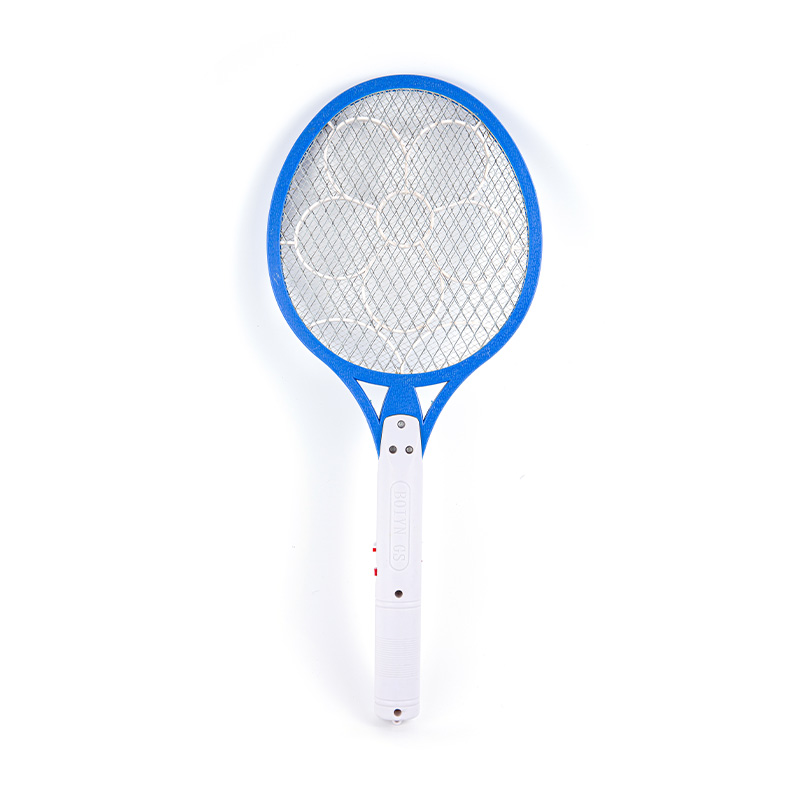
Why People Start Looking For A Portable Electric Mosquito Swatter In Daily Life
The need often appears suddenly. A quiet evening, a light left on, and then the familiar sound near the ear. At that moment, people do not think about product features. They think about how to deal with the situation quickly.
Some homes rely on passive methods at first, but these do not always respond immediately. That is where a handheld tool becomes part of the routine. It offers a direct way to act when needed, without preparation.
Over time, the pattern becomes clear:
- occasional use turns into regular reach-for moments
- one room expands into multiple areas of use
- convenience becomes more important than complexity
The decision to choose one is rarely about design alone. It starts from real daily interruptions.
Where The Swatter Will Be Used Most Often At Home
Before choosing, many people do not realize how much the usage location affects the experience.
In a bedroom, the situation is usually quiet. Movements are smaller, and the environment is more controlled. A swatter used here needs to feel easy to handle without much effort.
In a living room, the space is wider. Movement may involve walking, turning, or reacting from a distance. Flexibility becomes more noticeable in this setting.
Kitchens and humid areas bring another difference. Surfaces may not always be dry, and the environment changes more often. Handling comfort becomes more important here.
Balconies or semi-open areas introduce airflow. Insects move differently, and reaction time becomes shorter. A tool used here often needs to respond quickly without feeling heavy.
Different spaces naturally shape expectations, even if users do not think about it directly.
What Users Usually Worry About Before Buying One
Before making a choice, most people have a few quiet concerns in mind. They may not list them out, but they influence the final decision.
Some of the most common thoughts include:
- Is it safe to use around family members
- Will it feel comfortable after repeated use
- Does it need frequent charging or battery changes
- Will it still work the same after some time
- Is it easy to store when not in use
These are not technical questions. They come from daily habits and small frustrations that build over time.
How The Basic Structure Affects Real Daily Experience
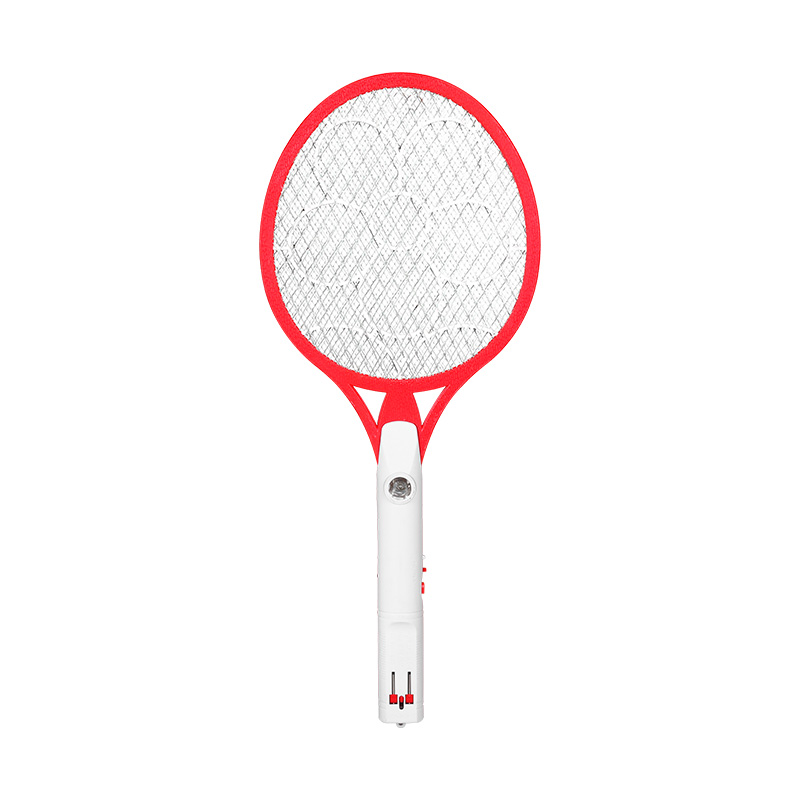
At first glance, the structure seems simple. A handle, a mesh, and a button. But during actual use, these small elements shape the entire experience.
The handle affects how naturally the swatter moves. If it fits the hand well, quick reactions feel smoother. If not, even simple movements can feel awkward.
The mesh is where action happens. Its spacing and layering influence how contact feels during use. A well-arranged structure gives a sense of control without requiring extra effort.
Button placement also matters more than expected. When the switch is easy to reach, the user does not need to adjust grip during use.
A few small details often make a difference:
- how the handle sits in the palm
- how easily the thumb reaches the control
- how stable the head feels during movement
These details are not noticed immediately, but they become clear after repeated use.
Choosing Between Lightweight And More Solid Designs
Weight is one of the first things people notice, but its effect depends on how the tool is used.
A lighter design often feels easier during quick movements. It suits situations where the swatter is picked up briefly and used for short moments.
A slightly heavier build can feel more stable. When movement is more deliberate, this added weight can give better control.
The choice often depends on habits:
- frequent short use favors lighter designs
- slower, more controlled use may suit a firmer feel
There is no fixed answer. It is more about how the tool fits into daily rhythm.
Power And Charging Habits In Everyday Life
Power is not only about function. It is about how the product fits into daily routines.
Rechargeable models often stay in one place and are charged when needed. This suits homes where the swatter is used regularly and kept nearby.
Replaceable battery options feel different. They are often chosen when charging is less convenient or when the tool is used in different locations.
USB charging brings flexibility, especially indoors. It allows connection to common power sources without much effort.
A simple comparison of daily habits:
| Power Type | Daily Experience | Usage Habit |
|---|---|---|
| Rechargeable | Fixed charging routine | Regular home use |
| Replaceable Battery | Flexible replacement | Occasional use |
| USB Charging | Easy indoor access | Shared spaces |
The right choice usually follows existing habits rather than changing them.
Safety Considerations In Real Family Environments
Safety becomes more noticeable when the product is used around others. In family settings, this is often one of the first concerns.
Protective mesh layers help reduce direct contact with the inner grid. This adds a layer of reassurance during use.
Switch control also plays a role. A design that requires intentional activation helps prevent accidental operation.
Storage habits matter as well. Keeping the swatter in a stable place reduces unnecessary handling, especially in shared spaces.
Some simple habits that often help:
- placing it out of easy reach when not in use
- avoiding leaving it activated unintentionally
- checking the condition before use
In daily life, safety is less about one feature and more about how the product is handled over time.
Differences Between Portable Electric Mosquito Swatter And High Quality Mosquito Racket In Practical Use
When people compare different options, the difference is not always about appearance. It becomes clear during actual use.
A Portable Electric Mosquito Swatter is often chosen for its convenience. It is easy to pick up, easy to move, and fits into quick-response situations. It tends to feel more natural in indoor spaces where movement is limited and reactions need to be immediate.
A High Quality Mosquito Racket usually feels more structured. The frame may feel firmer, and the overall build gives a slightly different sense of control. In open areas, where insects move more unpredictably, this type of design can feel more steady during wider swings.
In everyday use, the distinction becomes simple:
- one focuses more on ease and flexibility
- the other leans toward stability and controlled movement
Some households eventually keep both, not as a comparison, but as a way to handle different spaces without changing habits.
How Environment Changes The Way The Swatter Is Used
The same tool can feel different depending on where it is used. Environment quietly changes how people interact with it.
In a dim bedroom, movement is often slower and more careful. The focus is on quiet handling without disturbing the space too much.
In a brighter living area, reactions tend to be quicker. There is more room to move, and the user may adjust position more freely.
Humidity also plays a role. In areas where the air feels heavier, grip comfort becomes more noticeable. A handle that feels stable in dry conditions may feel different when the environment changes.
Outdoor or semi-open spaces introduce airflow. Insects move less predictably, and timing becomes more important than force. In these moments, how easily the swatter can be repositioned matters more than anything else.
Over time, people adjust their usage without thinking about it. The environment teaches small changes in handling.
Cleaning And Maintenance In Daily Routine
After use, cleaning is often a quick step, but it makes a difference over time.
The mesh may collect small residue, especially after repeated use. If it is left untouched, it can affect how the surface feels later.
Most people do not follow a strict routine. Instead, they clean it when they notice buildup. A simple wipe or light shake is often enough to keep it in usable condition.
A few easy habits help maintain consistency:
- checking the mesh surface occasionally
- removing visible residue without delay
- keeping the swatter dry after cleaning
- storing it where dust does not collect easily
Maintenance does not need to be complicated. It works better when it becomes part of normal use rather than a separate task.
Handling Experience During Real Use Moments
Real use rarely happens in a planned way. It is usually a quick reaction.
A mosquito appears, and the swatter is picked up almost automatically. In that moment, comfort and balance become more important than any feature list.
If the grip feels natural, the movement follows easily. If not, even a small hesitation can affect the outcome.
Tight spaces add another layer. Around furniture or near walls, movement becomes more controlled. A tool that responds quickly without needing adjustment feels more practical here.
There is also a subtle difference in how the tool feels during contact. A stable structure gives a clearer sense of control, while a lighter feel supports faster movement.
These small experiences shape how often the swatter is used without the user thinking about it.
Design Appearance And How It Fits Into Home Life
Appearance may not seem important at first, but it becomes part of daily life over time.
Some people prefer a simple look that blends into the background. The swatter stays in a corner or near a wall without drawing attention.
Others do not mind a more visible design, especially if the product is used frequently. In this case, it becomes part of the everyday environment rather than something hidden away.
Color and shape influence this choice. A neutral tone often feels easier to place in different rooms, while a more distinct design stands out more clearly.
Storage also connects with design. If the swatter looks simple, it is more likely to be left within reach. If not, it may be stored away and used less often.
How People Finally Decide Which One To Choose
At the end of the process, the decision usually comes down to a few practical thoughts rather than detailed comparison.
People tend to think about:
- where they will use it most often
- how often they expect to reach for it
- whether they prefer lighter handling or a more stable feel
- how the charging or power setup fits their routine
There is rarely a single deciding factor. It is more about how well the tool fits into daily habits without requiring adjustment.
For some, convenience is the main point. For others, control during use feels more important. In many cases, the final choice is simply the one that feels easiest to live with over time.