English
  Español
  Deutsch
 Night environments often reduce visual clarity in a quiet and gradual way, where objects that seem obvious during daylight become harder to distinguish once surrounding light fades, and insect movement becomes more difficult to track with steady focus. In such conditions, small flying insects tend to blend into darker backgrounds such as walls, furniture edges, or ceiling corners, creating a situation where reaction time depends heavily on visibility rather than speed alone.
Operation during low light also introduces spatial uncertainty, since distance perception becomes less stable when reference points are limited, and hand movement can drift slightly without clear visual guidance. Indoor spaces at night usually contain multiple obstacles such as tables, shelves, or narrow passages, and reduced lighting increases the chance of misjudging space between moving hand and surrounding objects.
A compact handheld tool used for insect control therefore operates in a very different environment compared with daytime conditions, where lighting, depth perception, and movement coordination all need to align within a smaller margin of error. Nighttime usage often requires more attention to surroundings than to the target itself, since background structure becomes part of the visual challenge.
How Electric Fly Swatter With Light Supports Visibility in Dark Spaces
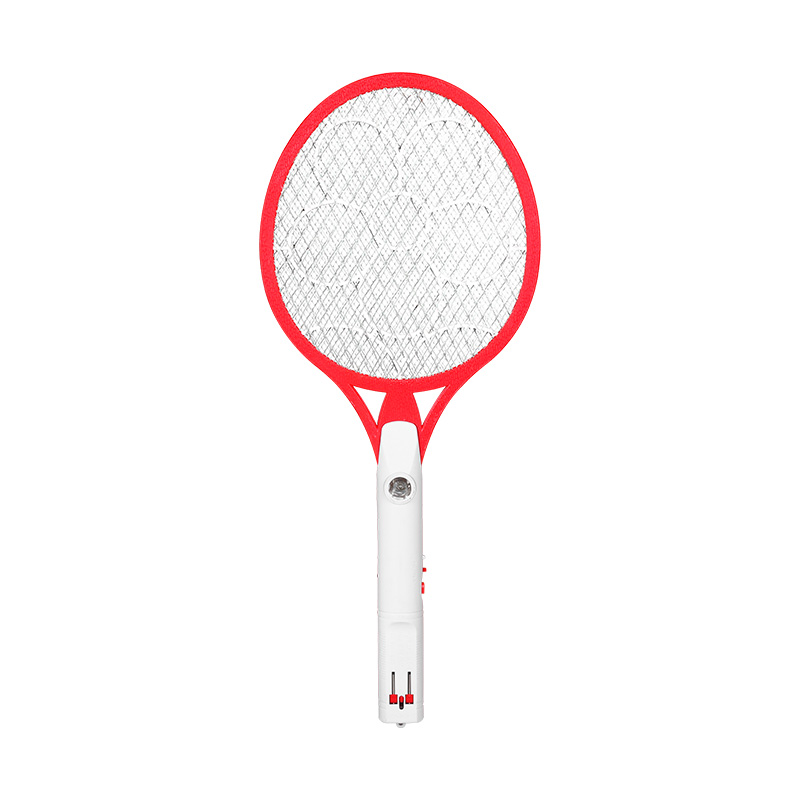
A built-in light source changes how small moving targets are perceived in dim environments, since illumination helps separate insects from darker backgrounds and reduces the visual blending that often occurs near walls or furniture surfaces. Instead of relying on room lighting, the light function creates a localized visual zone where movement becomes easier to follow.
In practice, this type of illumination does not simply brighten a space evenly, but instead forms a focused viewing area that shifts attention toward a specific direction, allowing faster recognition of motion patterns in confined indoor spaces. Ceiling corners, wall edges, and shadowed zones become more readable when a direct light source is aligned with the tool itself.
Key effects observed in low-light operation include:
- Improved separation between moving insects and background surfaces
- Reduced dependence on external room lighting conditions
- Faster visual tracking in narrow or enclosed areas
- More stable focus during short reaction movements
Electric Fly Swatter With Light therefore acts less like a general lighting source and more like a directional guide that follows the motion path of the tool, making visual alignment and hand coordination easier during short bursts of activity.
Why Power Mode Design Matters During Night Operation
Power control during night use often relates more to stability than intensity, since consistent output allows repeated motion without sudden changes in performance, which helps maintain control when visibility is already reduced. A stable power mode also reduces unexpected variation during activation, which can otherwise distract focus in dim environments.
In situations where movement depends on limited visual feedback, consistent electrical response supports smoother handling rhythm, especially when the tool is used in short intervals rather than continuous operation. Instead of requiring constant adjustment, a steady output allows attention to remain on positioning and timing.
Power behavior also influences comfort during extended handling, since uneven output can create slight hesitation or overcorrection in movement, especially when used in small indoor spaces where distance between objects is limited.
Common functional considerations include:
- Stable activation response during repeated use
- Controlled output consistency in low visibility conditions
- Reduced handling interruption caused by irregular performance
- Smoother coordination between visual tracking and hand movement
Powerful Electric Fly Swatter design concepts often focus on maintaining balance between responsiveness and control, especially in environments where visual clarity is already reduced by surrounding darkness.
How Light and Power Functions Work Together in Practical Use
When illumination and power response operate in the same structure, overall handling behavior changes in subtle ways, since visibility and activation become linked within a single motion cycle. Light assists with target recognition, while power response supports immediate action once positioning is aligned, creating a continuous flow between seeing and reacting.
Instead of separating observation and operation into different steps, combined functionality reduces delay between detection and movement, especially in confined indoor environments where insects tend to move quickly across small distances. Light remains active during positioning, while power mode responds instantly during activation, keeping both visual and functional elements synchronized.
| Function Element | Practical Role | Effect on Night Operation |
|---|---|---|
| Built-in Light | Visual guidance | Improves target clarity in dark zones |
| Power Mode | Activation control | Maintains stable response during use |
| Combined System | Unified handling | Reduces delay between sight and action |
This coordination creates a more continuous handling rhythm, where visual tracking and physical response occur in a connected cycle rather than separate steps, which becomes particularly useful in low-light indoor environments with limited spatial reference.
What Safety Risks Exist During Low-Light Operation
Night use introduces several safety-related concerns that are not always present under normal lighting conditions, since reduced visibility affects both environmental awareness and movement precision. One common issue involves accidental contact with nearby objects, where limited spatial perception makes it harder to judge distance between moving hand and surrounding furniture.
Misjudgment of insect position also becomes more likely in darker environments, since background contrast is weaker and motion trails are harder to track, which may lead to repeated swings or unnecessary movement. Over time, this can increase hand fatigue, reducing stability and making control less precise.
Additional safety-related factors include:
- Reduced awareness of surrounding obstacles during quick movement
- Increased chance of misaligned motion paths in confined areas
- Hand fatigue caused by repeated corrective adjustments
- Lower visual confirmation during fast reaction attempts
These conditions make illumination and controlled power response particularly relevant, since both elements support spatial awareness and reduce unnecessary movement in environments where visibility alone cannot provide enough guidance.
How Design Structure Helps Reduce Operational Errors
Night use inside rooms with weak light often feels less stable than daytime operation, mainly because distance judgment becomes unclear and small obstacles blend into darker areas. In that kind of setting, a compact body shape matters more than it seems at first glance. A lighter frame moves with less resistance in the hand, and motion stays closer to intention instead of drifting slightly off line during quick swings.
Grip feeling also plays a practical role. When the handle sits comfortably in the palm, wrist movement stays controlled even during short bursts of action. Once grip starts slipping or shifting, accuracy drops quickly in low light because visual correction is already limited. That is where structure starts to matter more than force.
Light placed at the front changes how space is read. Edges of tables, chair legs, wall corners, even thin shadows near ceilings become easier to notice before contact happens. Instead of reacting after hitting something, movement adjusts a bit earlier, almost like tracing a visible path.
A few small structural effects usually show up in use:
- Hand motion feels steadier in narrow spaces
- Wrist correction becomes less frequent
- Light direction helps avoid nearby objects
- Compact shape reduces accidental bumps
Nothing about the task changes, yet the way movement travels through space becomes noticeably more controlled.
Why Indoor Night Environments Increase Usage Frequency
Nighttime indoors has a different rhythm. Sound drops, movement slows, and small flying insects stand out more than they do during daytime activity. What normally goes unnoticed during busy hours becomes more visible simply because the environment quiets down.
Lighting inside rooms also shifts. Many spaces keep only partial illumination at night, leaving corners, ceiling edges, and hidden gaps in a softer shadow state. Those are exactly the areas where insects tend to move, which makes them more noticeable even without strong light.
Typical indoor situations include:
- Bedroom spaces with dim lighting during rest periods
- Kitchen corners with uneven shadows from small light sources
- Living areas where furniture creates darker edges
- Hallways with narrow light coverage and sharp contrast zones
Air movement inside closed rooms also plays a role. Slight temperature differences can push insects toward walls or ceilings, where tracking becomes harder without focused light support.
How User Handling Patterns Change With Illumination Support
Once a small light source is attached to the tool, handling behavior naturally shifts. Movement becomes less scattered because attention is pulled toward a clearer visual point instead of a wide dark area. Instead of large sweeping actions, shorter and more controlled motion becomes common, since the target area is easier to define.
Timing also feels different. Light gives an earlier signal of movement direction, so adjustment happens before full extension of the hand. That reduces repeated swings and keeps motion from turning messy in tight spaces.
What usually changes during use:
- Movement becomes tighter and more controlled
- Visual focus stays inside a small bright zone
- Fewer repeated attempts are needed
- Hand follows visible movement instead of guessing position
The light does not just brighten space, it narrows attention, which helps reduce unnecessary motion in low visibility conditions.
What Role Electrical Stability Plays in Night Safety
Stable output matters more in low light than in bright conditions. When response stays consistent, movement feels predictable, and attention can stay on positioning instead of wondering how the tool will react. In darker rooms, even small delays or irregular response can break timing between sight and action.
Steady performance helps avoid overcorrection. Without it, hand movement tends to adjust repeatedly, especially when visibility is unclear. That extra adjustment adds strain and makes motion less smooth over time.
Simple effects of stable response include:
- Predictable activation during repeated use
- Less hesitation during quick movement
- Smoother timing between seeing and acting
- Reduced strain from repeated correction
In practice, stability does not feel like a technical feature, it feels like smoother control during short, repeated actions in dim spaces.
How Combined Light and Power Design Shapes Everyday Usability
When lighting and activation work together in one structure, handling becomes more continuous. Light guides direction, while power response follows immediately after positioning, and both stay inside the same motion cycle instead of separate steps.
This changes how action feels in small spaces. Instead of stopping to confirm position, movement flows directly from recognition to response. In darker environments, that connection reduces hesitation and keeps motion cleaner.
Everyday handling often shifts in small ways:
- Light defines a narrow visible working zone
- Motion stays within a clearer boundary
- Reaction happens closer to visual confirmation
- Movement feels more continuous and less interrupted
| Element | Role in Practice | Result in Low Light |
|---|---|---|
| Built-in Light | Guides direction | Makes targets easier to notice |
| Power Response | Controls activation | Keeps action steady |
| Combined Structure | Unifies motion | Reduces delay in handling |
Over time, use becomes less dependent on room lighting conditions, since both visibility and response are already built into the same movement, making night operation feel more stable inside ordinary indoor environments.