English
  Español
  Deutsch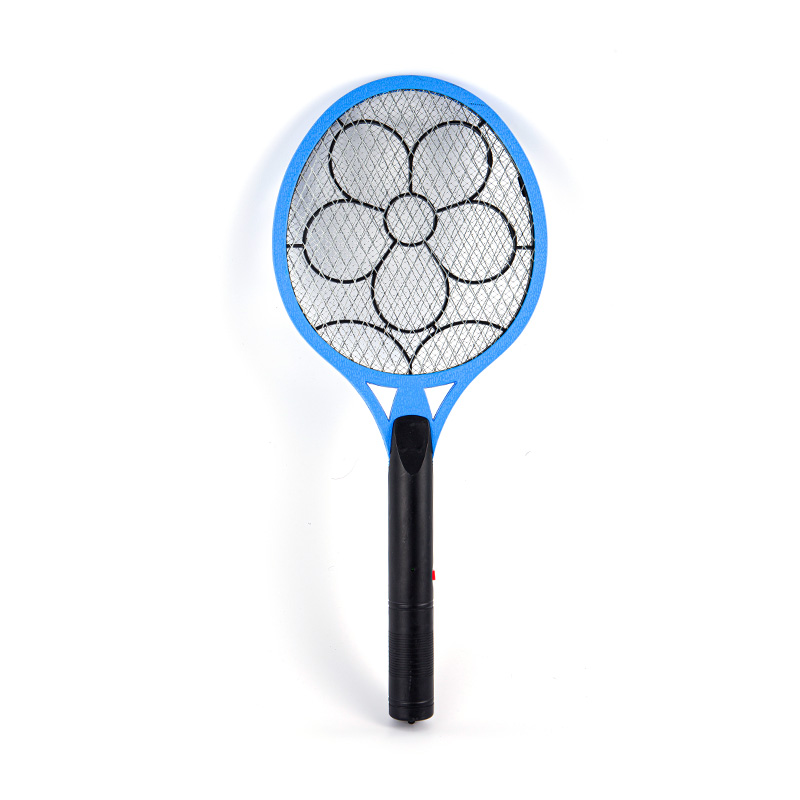
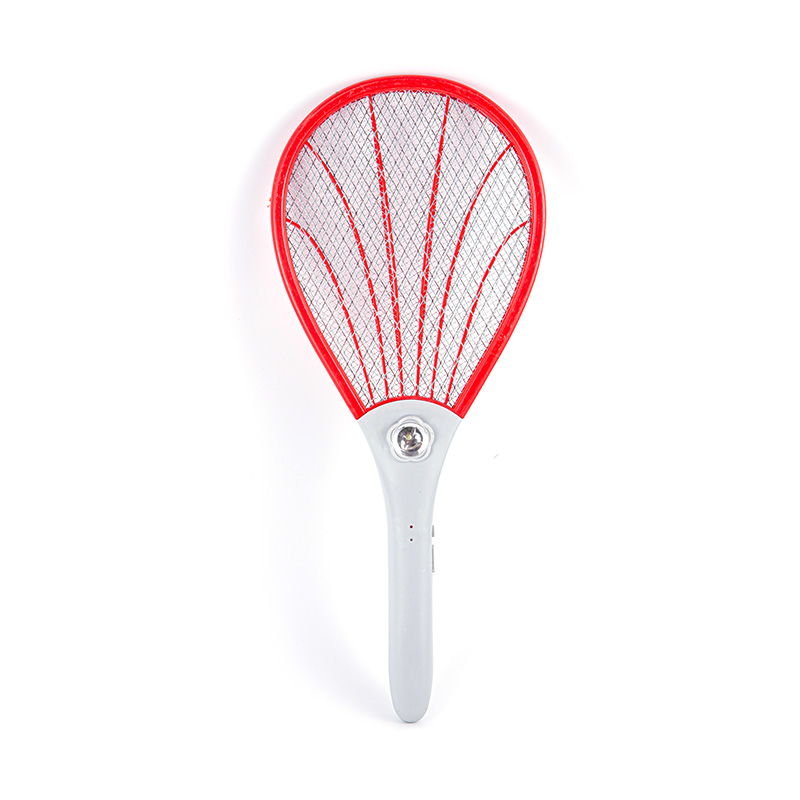
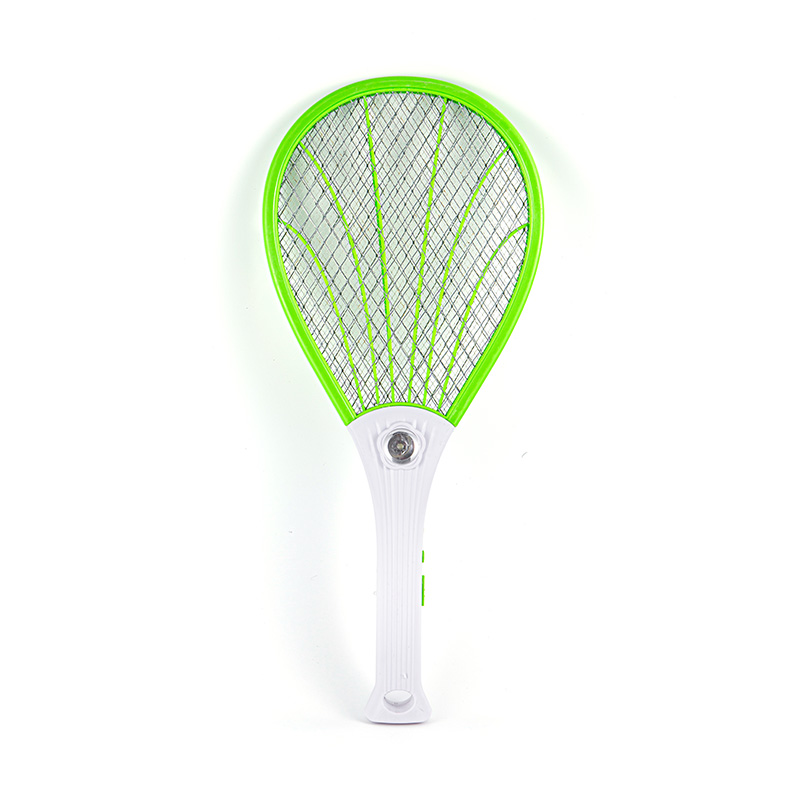
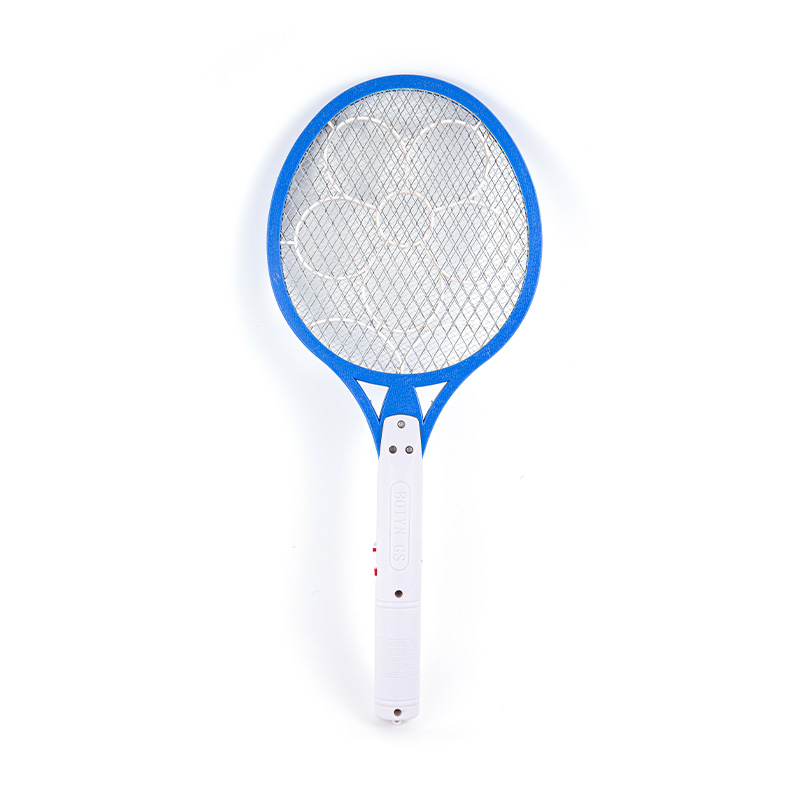
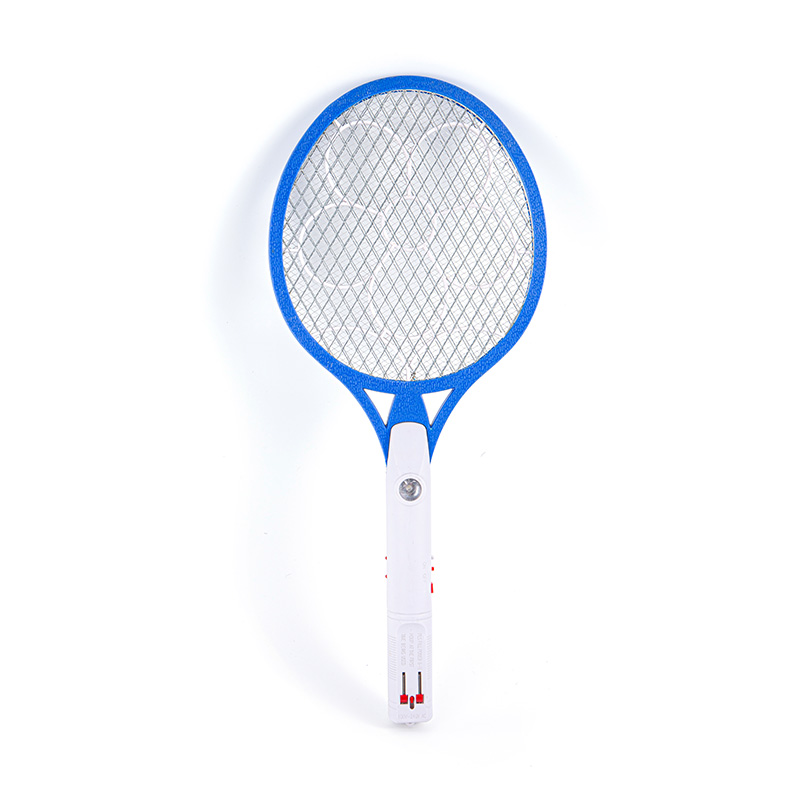
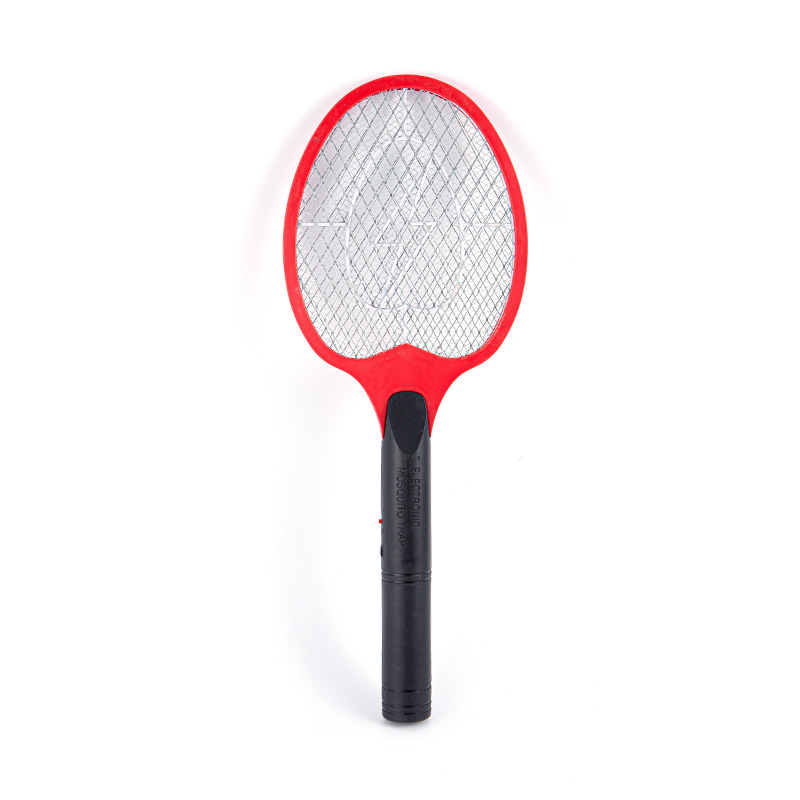
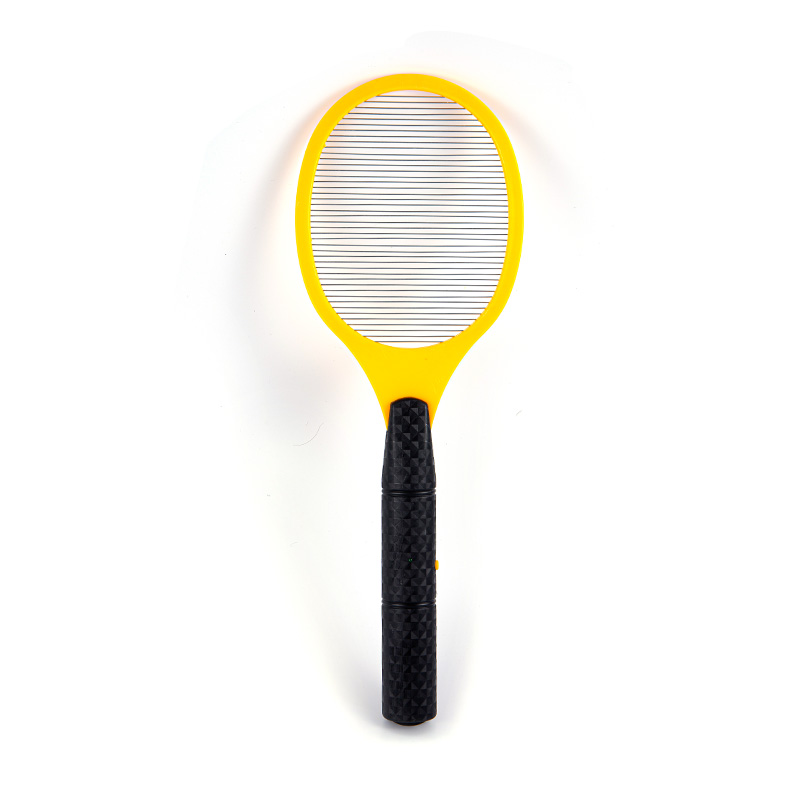
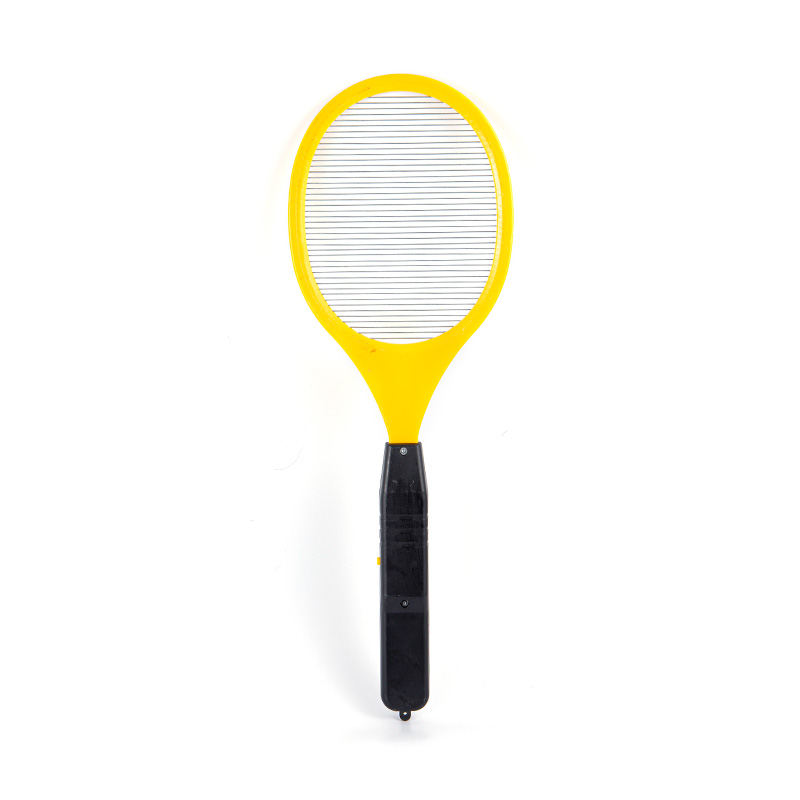



Portable Electric Mosquito Swatter: Do They Really Kill Mosquitos?
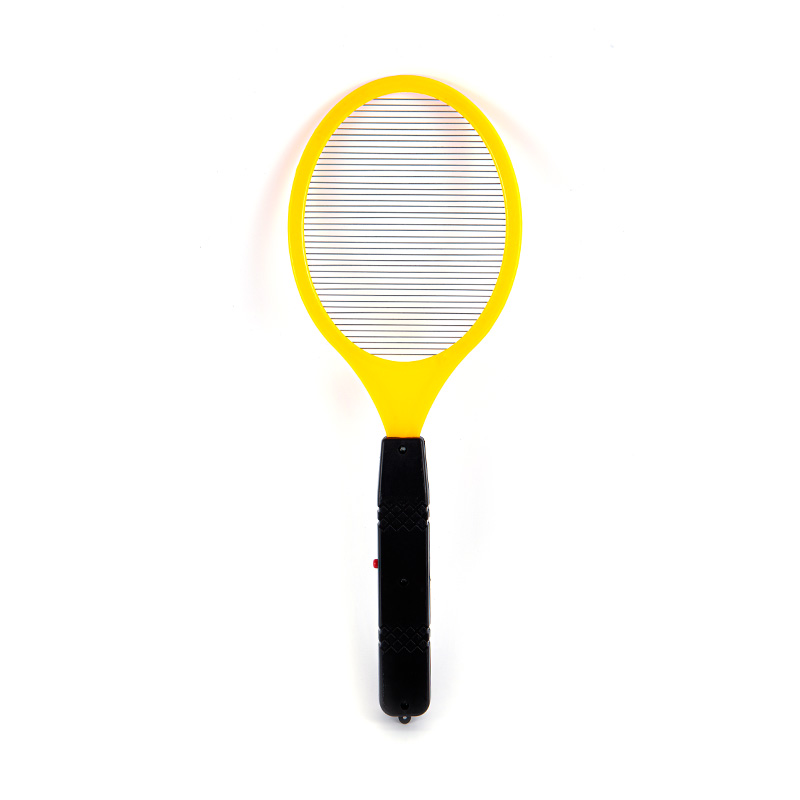
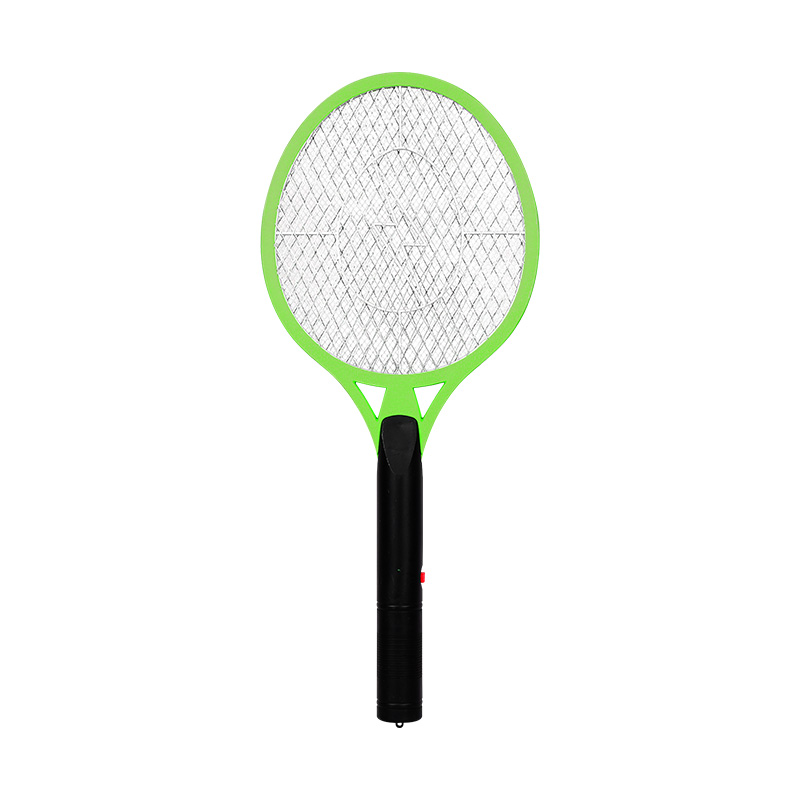
Portable electric mosquito swatters are designed to kill mosquitoes upon contact. The basic principle of operation involves a high-voltage, low-current electric charge. The head of the swatter consists of three parallel grids: two outer grids carrying opposite electrical charges and a middle, grounded grid. When a mosquito, or any small insect, bridges the gap between the two charged outer grids, it completes an electrical circuit. This results in a rapid discharge of electricity, commonly described as a spark or arc, which electrocutes the insect. The voltage involved is typically high, often in the range of 1,000 to 3,000 volts, which is sufficient to dispatch a small insect instantly. The current, however, is low, measured in milliamps, which renders the shock generally harmless to humans, though it can produce a noticeable and unpleasant sting.
The effectiveness of the device in killing mosquitoes is contingent upon physical contact. The user must successfully intercept the insect mid-flight or at rest with the swatter's grid. When contact is made, the outcome is typically immediate. The efficacy, therefore, is not a question of the device's capability to kill, which is mechanically assured by the electrical circuit, but of the user's ability to manually target the mosquito. It functions as a direct, contact-based tool rather than an area-wide solution like insecticide sprays or traps. Consequently, while it reliably eliminates individual mosquitoes that are struck, its overall impact on a mosquito population in an area depends entirely on manual deployment and user skill.
How is the Rechargeable Electric Mosquito Swatter Powered?
The power system of a rechargeable electric mosquito swatter is a compact example of basic electrical engineering, comprising three main components: a battery, a charging circuit, and a voltage booster circuit. Many modern units utilize a built-in lithium-ion or nickel-metal hydride (NiMH) rechargeable battery. These batteries typically offer a nominal voltage of 3.7 volts (for lithium-ion) or 1.2 volts (for NiMH, often with multiple cells in series). This low-voltage, direct current (DC) source is safe for charging via common USB ports or wall adapters.
The critical transformation from low-voltage battery power to the high voltage needed for the swatter occurs through a component called a voltage multiplier or a high-frequency oscillator circuit. When the user presses the activation button, the low DC voltage from the battery is fed into this circuit. The circuit rapidly switches the current on and off, creating an oscillating flow that is then stepped up through a small transformer. Following this, a cascade of diodes and capacitors multiplies the voltage to the final high level required, often between 1,000 and 3,000 volts, while keeping the current minimal. This high-voltage charge is then stored across the swatter's outer grids, awaiting a conductive path—such as a mosquito—to complete the circuit and discharge.
The rechargeable nature of the device centers on its integrated charging management circuit. When the swatter is connected to a power source via a USB cable, this circuit regulates the incoming electricity to safely replenish the battery. A small indicator light usually signals the charging status. A fully charged battery can typically supply power for several hours of intermittent use before requiring a recharge, making the device a reusable and convenient alternative to models powered by disposable batteries.
Electric Mosquito Racket: What Features Should I Focus On?
When selecting an electric mosquito racket, attention to several specific features can guide a suitable choice. The following table outlines primary considerations, combining objective specifications with practical design elements.
|
Feature Category |
Specific Focus Points |
Practical Considerations |
|
Safety & Design |
Grid Spacing, Handle Design, Safety Switch |
Closely spaced inner grids prevent children's fingers from touching both charged layers. A comfortable, ergonomic grip and a non-slip handle improve control. A physical safety lock or switch prevents accidental activation during storage. |
|
Power & Performance |
Battery Type & Life, Charging Method, Ease of Cleaning |
Integrated rechargeable batteries (Li-ion) are standard. Consider units with USB-C for modern charging convenience. Battery capacity (often in mAh) indicates potential usage time between charges. A racket with a removable or openable frame simplifies the removal of insect debris from the grids. |
|
Additional Functionality |
LED Light, Foldable Design, Power Indicator |
A built-in LED light on the head aids in targeting mosquitoes in low-light conditions. A foldable handle reduces the size for storage or travel. A battery level indicator (often an LED on the handle) shows remaining charge. |