English
  Español
  Deutsch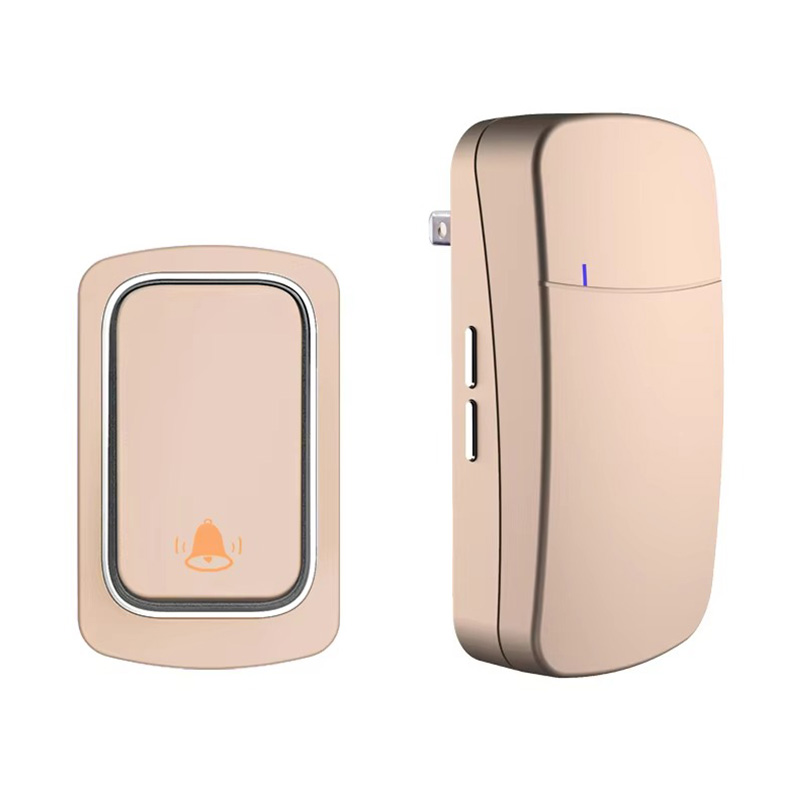



How does a wireless doorbell transmit its signal?
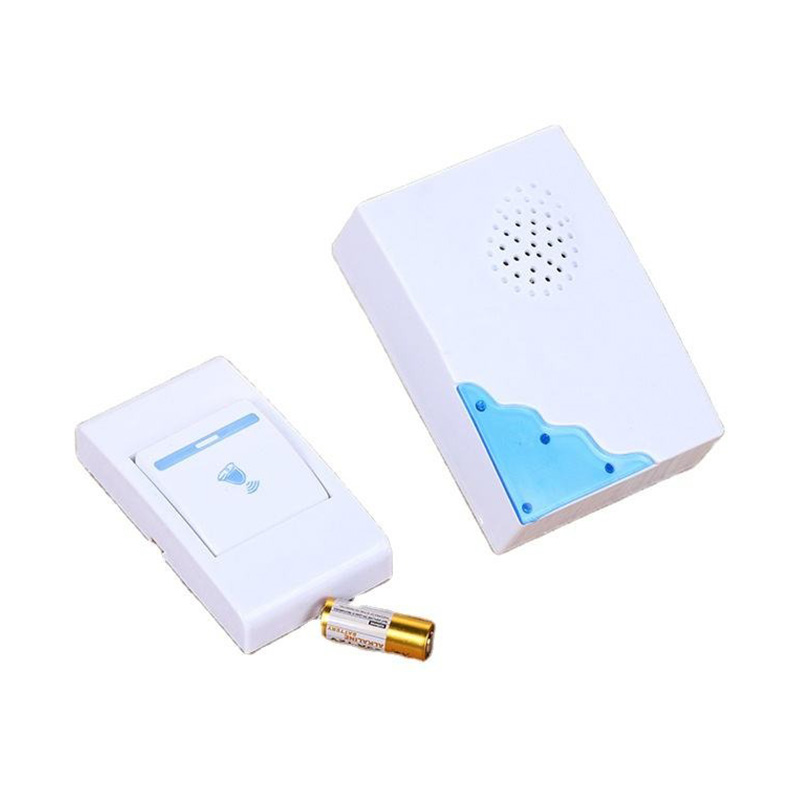
Wireless doorbells operate by transmitting a radio frequency (RF) signal from the battery-powered exterior button to an indoor plug-in or battery-powered receiver, or "chime." The button contains a small radio transmitter, which is activated when pressed. Upon receiving this coded signal, the indoor unit activates its speaker to play the chosen alert tone. The common frequency bands used are 433MHz or 2.4GHz, with the latter sometimes also enabling Wi-Fi connectivity for integration with smartphones and smart home systems.
Can I set different chimes for different doors?
Many models of wireless doorbell systems offer this capability. It typically involves a system where multiple push buttons can be paired with a single receiver unit. Each button is assigned a unique identification code. The receiver, upon detecting the signal, is programmed to play a distinct melody or sound pattern corresponding to that specific button. This allows a homeowner to differentiate between a signal from a front door button and one from a back door button, for example.
What is the typical operational range for a wireless doorbell?
The functional range between the button and the chime is specified by manufacturers under ideal "line-of-sight" conditions, often cited as between 150 to 300 meters. However, real-world performance is influenced by physical obstructions such as walls, metal siding, and large appliances, which can significantly reduce effective range. Interference from other household devices operating on similar radio frequencies, like baby monitors or certain Wi-Fi routers, can also cause signal degradation or failure.
Do wireless doorbells integrate with smart home platforms?
A growing segment of wireless doorbells is designed for smart home connectivity. These models incorporate Wi-Fi and connect to a home network. This allows the doorbell to send notifications to a smartphone app, enabling the user to be alerted even when away from home. Some of these smart doorbells can be integrated into broader ecosystems, such as Google Home or Amazon Alexa, allowing for routines where a doorbell press triggers other actions, like turning on a porch light.
What are the disadvantages of Wireless Doorbells and how do we choose them?
While offering installation flexibility, wireless doorbells present certain compromises compared to wired systems. A primary consideration is power management for the outdoor button, which relies on batteries. These require periodic replacement or recharging, introducing a maintenance task; a depleted battery results in a non-functional doorbell. Signal reliability can be another point of concern. The radio signal between the button and chime can be obstructed by thick masonry walls or interfered with by other electronic devices, potentially bring about missed alerts or delayed responses. For simpler RF models, the chime is a fixed unit; if its sound is not audible in all parts of a large home, additional receivers may need to be purchased. Furthermore, basic wireless doorbells, unlike their smart counterparts, typically lack a two-way audio feature.
Selecting a suitable wireless doorbell involves weighing several practical factors. Assess the required transmission range by considering the distance and number of walls between the intended button location and the chime placement, opting for a model with a range specification comfortably exceeding this estimate. Second, evaluate the power source: long-life lithium batteries reduce replacement frequency, while some models offer rechargeable options or even supplementary solar panels for the button. Third, consider the audio and expansion needs. Determine if a single chime is sufficient or if multiple receivers are necessary for adequate coverage.
What are the characteristics of Indoor and Outdoor Waterproof Doorbells?
The design requirements for indoor and outdoor doorbell components diverge significantly due to their operational environments, with waterproofing being a defining characteristic for exterior units.
An indoor doorbell chime or receiver is designed for a climate-controlled setting. Its primary characteristics focus on aesthetic integration and audio clarity. The housing is typically made of plastic or wood-composite materials intended to blend with interior decor. Sound quality is a consideration, with some models offering a selection of digital tones or even the ability to upload custom melodies. For smart chimes, the housing may include a small display screen or status lights. Physical durability against impacts or liquids is not a major design driver, as the unit is intended for placement on a wall or shelf away from direct hazards.
An outdoor doorbell button, conversely, must be engineered to withstand environmental exposure. The essential characteristic is a defined Ingress Protection (IP) rating, which certifies its resistance to solids and liquids. A rating of IP54 or higher is often recommended, indicating protection against dust ingress and water splashes from any direction. The construction involves water-resistant seals around the button mechanism and speaker grilles (if present). The housing is made from materials that resist ultraviolet light degradation, such as certain plastics or metals, and is designed to endure temperature fluctuations. The button itself is often larger and may be backlit for visibility at night. For wired models, the electrical connections and any wire terminals are contained within a sealed compartment.