English
  Español
  Deutsch
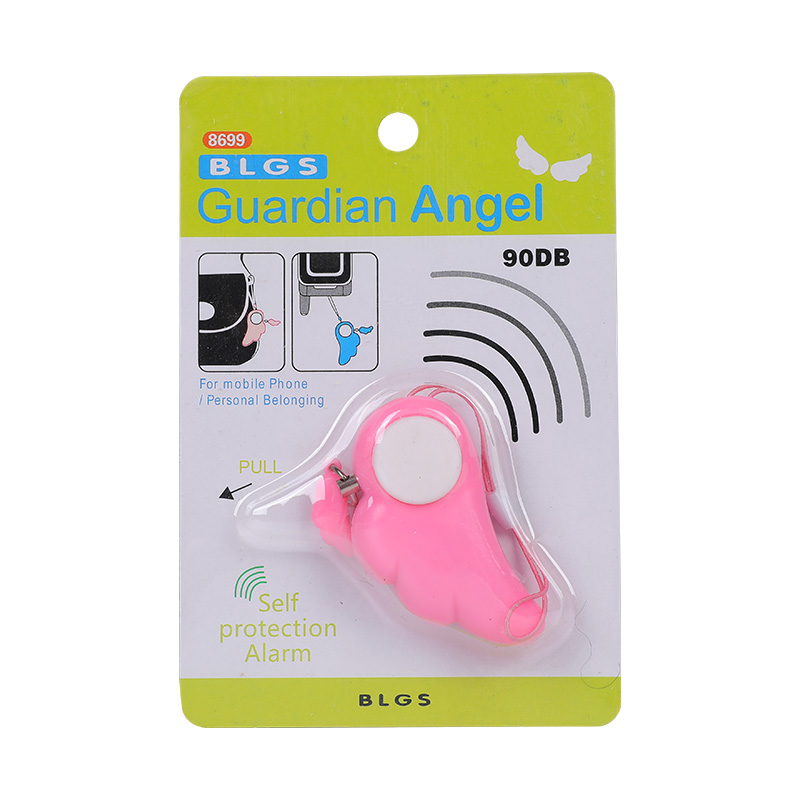
 Small personal alarm devices are often carried as part of everyday belongings. They may hang from a key ring, sit inside a handbag, or attach to another item that is taken outside regularly. Because of their compact size, it can be easy to focus on appearance while overlooking details that affect daily handling.
A practical purchase starts with the way the device will be carried and used. Battery type, sound output, size, weight, control design, and housing condition can all affect whether a particular model fits a person's routine. Storage also matters because a device that remains unused for long periods still needs occasional checking.
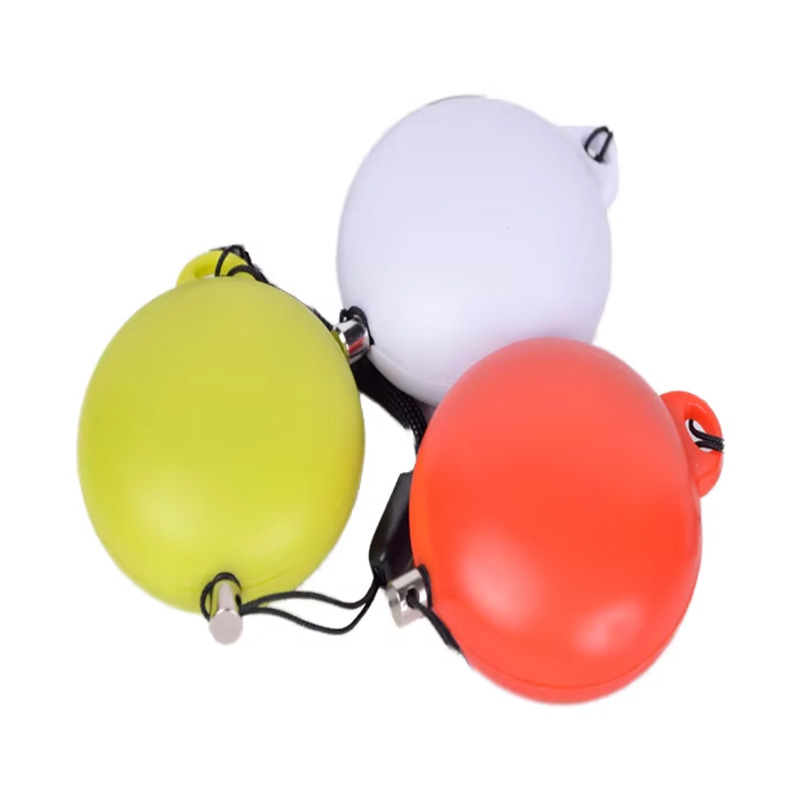
A Safety Siren Keychain is therefore worth considering as a small piece of everyday equipment rather than simply a decorative accessory. Looking at how each part works together can make the buying decision more grounded in actual use.
What Should You Check Before Buying a Safety Siren Keychain
The intended carrying method provides a useful starting point. Someone who keeps keys in a pocket may have different requirements from someone who carries a handbag or backpack. The device needs to remain accessible without becoming an obstruction.
The activation method also deserves attention. A button, pull mechanism, or other control may feel different during normal handling. The control should be easy to recognize while also reducing the chance of accidental activation when the device is placed among other belongings.
Size and weight have a direct relationship with portability. A compact housing may take up little room, while a larger body may provide space for a bigger battery or a more substantial control area. Neither arrangement automatically suits every user.
Before buying, several basic questions can help narrow the choices:
- Where will the device normally be carried?
- Can the control be reached without searching through a bag?
- Is the key ring or attachment point suitable for regular movement?
- Can the battery be replaced or recharged conveniently?
- Is the housing easy to inspect and clean?
- Does the product information clearly describe its operating requirements?
The surrounding environment also matters. A device carried outdoors may encounter dust, light rain, friction, or accidental drops. One kept mainly indoors may face fewer of these conditions.
Reading the operating instructions before purchase can reveal details that are difficult to judge from a product photograph. Battery requirements, charging arrangements, control methods, and care instructions can all affect everyday use.
Once the general design has been considered, the power source becomes an important part of the comparison.
Which Battery Type Fits Different Personal Alarm Uses
Battery design can influence how often a personal alarm needs attention. Some products use replaceable batteries, while others use built-in rechargeable batteries. Each arrangement creates a different maintenance routine.
Replaceable batteries can be convenient when replacement is straightforward and suitable batteries are easy to obtain. The device can be returned to use after the old battery has been removed and a compatible replacement installed.
Rechargeable designs remove the need to keep replacement batteries available, although they depend on regular charging. A device that is stored in a drawer for a long period may gradually lose charge, so checking its condition remains useful.
The choice can be considered according to everyday habits:
| Battery Arrangement | Practical Point to Consider |
|---|---|
| Replaceable Battery | Check replacement access and battery compatibility |
| Rechargeable Battery | Check charging method and storage condition |
| Removable Battery Compartment | Consider ease of inspection and replacement |
| Built-In Battery | Consider charging access and long-term storage needs |
Battery access is also related to the physical structure of the device. A compartment that requires tools or complicated handling may be inconvenient during routine maintenance. Clear instructions can make the process easier to manage.
Storage conditions should not be overlooked. Batteries may be affected by heat, moisture, or long periods without inspection. Keeping the device in a suitable location and checking its condition from time to time can help identify issues before the device is needed.
Another point is the difference between having power available and having a device ready for use. A battery may be installed or partially charged, yet the user may not know its actual condition without checking the device according to the manufacturer's instructions.
Battery selection therefore connects with usage habits rather than existing as a separate specification. Someone who prefers occasional maintenance may view replaceable batteries differently from someone who regularly charges personal electronics.
Sound is another practical factor. Once the power source has been considered, attention can turn to how the alarm behaves when activated.
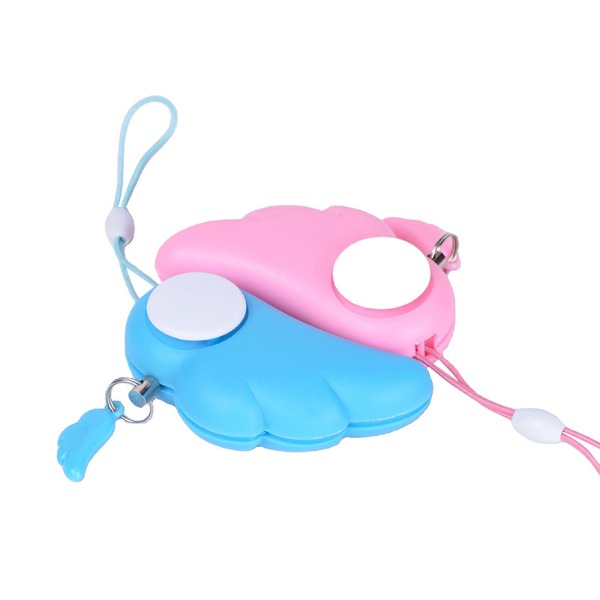
How Does Sound Volume Affect a Personal Alarm Keychain
Sound output is one of the main functional considerations when comparing a personal alarm. A sound that seems noticeable in a quiet room may behave differently in a busy street, near traffic, or around other sources of noise.
The surrounding environment can influence how clearly an alarm is heard. Walls, vehicles, crowds, wind, and other background sounds may change the way sound reaches people nearby. For this reason, a single volume specification does not necessarily describe every real-use situation.
The position of the device can also make a difference. An alarm carried inside a closed bag may not produce the same audible result as one held in an open position. Clothing, fabric, and other objects can partially block the sound path.
A practical comparison can therefore consider:
- Where the alarm is likely to be activated
- Whether it may be inside or outside a bag
- Whether background noise is common in the intended environment
- How the activation control works
- Whether the sound can be tested according to the manufacturer's instructions
Sound should also be considered alongside the physical size of the device. A small body may be easier to carry, while the internal space available for its sound-producing components may be different from that of a larger housing.
It is also useful to avoid treating volume alone as a measure of practical suitability. The way the alarm is carried, how quickly it can be activated, and whether the user can identify the control all influence the overall experience.
For products sold through a Personal Alarm Keychain Wholesale channel, these details can become relevant across different groups of users. A design intended for students, commuters, travelers, or general household use may need different carrying arrangements even when the basic alarm function remains similar.
That leads naturally to portability. A device may have suitable power and sound characteristics, yet still be inconvenient when its size, attachment point, or controls do not fit the way it is normally carried.
What Makes a Safety Siren Keychain Easy to Carry
Portability is not simply about making a device small. The relationship between its shape, weight, attachment point, and controls determines how naturally it fits into everyday belongings.
A keychain-style design needs a reliable way to connect with keys, bags, straps, or other suitable items. The attachment point should be positioned so that the device does not swing excessively or become buried among other objects.
Weight also matters during regular movement. A device that remains attached to a key ring throughout the day may be exposed to repeated pulling, contact, and friction. Its housing and attachment point therefore need to work together.
The control should remain accessible as well. If the device is carried inside a bag, the user may need to locate it by touch. A clearly positioned control can make handling more straightforward, while an exposed control may need protection against accidental activation.
Different carrying habits can change what feels practical. A person who clips the device to a bag may prefer a different shape from someone who keeps it with keys. A device intended for frequent outdoor movement may also need a housing that is comfortable to hold and easy to inspect.
Portability can be checked through a few simple questions:
- Does the attachment point suit the intended item?
- Can the device be removed without excessive effort?
- Is the control easy to identify?
- Could nearby keys or objects press against the control?
- Does the housing remain comfortable to handle?
- Are important surfaces accessible for routine inspection?
A Safety Siren Keychain is likely to be handled repeatedly rather than placed permanently in one location. For that reason, the connection between carrying method and physical construction deserves attention alongside battery and sound considerations.
How Does Durability Affect Daily Use of a Personal Alarm
A small personal alarm can experience considerable handling during ordinary use. It may be attached to keys, placed in a bag, moved between pockets, or set down on different surfaces. The housing and attachment point therefore need to suit repeated handling.
The outer housing is worth checking for signs of weak construction. Small cracks, loose sections, or damaged edges can affect how the device is handled and may allow dust or moisture to enter areas that need protection.
The attachment ring is another practical point. It carries the weight of the device while also experiencing pulling and movement. A connection that feels loose may become inconvenient during regular carrying.
Buttons and other controls also experience repeated contact. Their position, movement, and surrounding structure can influence how the device feels after continued use. A control that is difficult to press or appears loose deserves closer attention before purchase.
Environmental conditions can add another layer of wear. A personal alarm carried outdoors may encounter:
- Friction against keys or other metal objects
- Accidental drops onto hard surfaces
- Dust from bags or pockets
- Light moisture from outdoor conditions
- Pressure from other items stored nearby
Durability does not mean that a device can be treated without care. Routine inspection remains useful, particularly around the attachment point, control area, battery compartment, and visible housing.
Cleaning should follow the product's care instructions. Excessive moisture or unsuitable cleaning materials may create problems of their own, so the condition of the device should be considered before applying any cleaning method.
The same principle applies to a Personal Alarm Keychain Wholesale purchase. When several units are intended for different users, consistent construction and clear inspection requirements can make it easier to identify damaged parts or differences between individual products.
Physical durability is only part of daily handling. The way a user activates the alarm can also influence whether the device is practical in different situations.
What Control Design Should Be Considered Before Purchase
A personal alarm may use a button, pull pin, switch, or another activation method. Each design creates a different interaction between the user and the device.
A button can be convenient when its position is easy to identify. At the same time, a button that is too exposed may be pressed accidentally when the device is stored with keys or other objects.
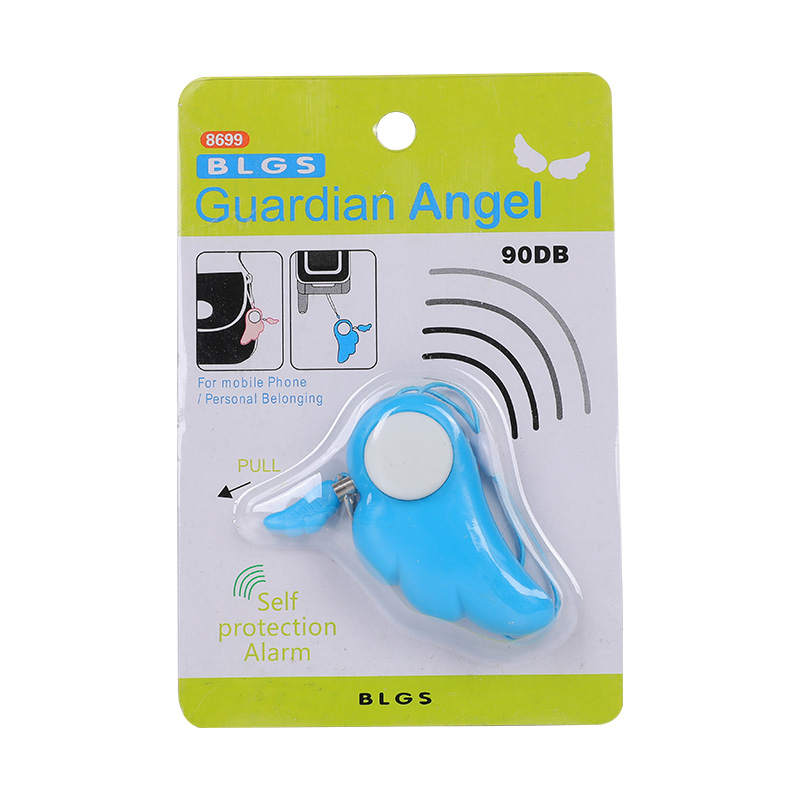
A pull-style control can provide a clear physical action, although the attachment and movement of the control need to be considered carefully. A loose pull component may become caught on nearby objects, while a difficult mechanism may be uncomfortable to operate.
The location of the control matters as much as the control itself. A person carrying the device in a handbag may need to locate it without looking directly at it. A device attached to a key ring may be handled differently.
Before purchase, it can be useful to check:
- Whether the activation method is easy to recognize
- Whether the control can be reached naturally
- Whether accidental activation is reasonably controlled
- Whether the alarm can be reset according to the instructions
- Whether the mechanism can be checked during routine inspection
The operating sequence should also be easy to remember. Complicated controls can become inconvenient when the device needs to be handled quickly.
A sensible design does not rely only on the control itself. The shape of the housing, attachment point, and carrying position all affect how the control is reached.
For a Safety Siren Keychain, portability and operation are closely connected. A compact device may be easy to carry, yet the controls still need enough space to remain identifiable and usable.
What Should Buyers Consider When Comparing Personal Alarm Keychain Wholesale Options
Wholesale purchasing introduces considerations that are slightly different from buying a single unit. Several devices may be intended for distribution, workplace use, household needs, travel products, or other situations where users have different carrying habits.
Battery arrangements should be checked across the intended quantity of products. Replaceable batteries may require compatible replacements, while rechargeable versions require suitable charging arrangements. Clear information can make later maintenance easier.
Housing construction is another point to compare. When several units are purchased together, consistent materials, controls, attachment points, and battery access can make inspection and handling more straightforward.
Packaging and included accessories also deserve attention. A package may contain attachment components, charging items, battery-related parts, or operating instructions. Knowing what is included helps avoid confusion during distribution or use.
Product information should clearly cover areas such as:
- Battery type and replacement or charging method
- Activation method
- Care and storage requirements
- Included accessories
- Housing and attachment design
- Operating instructions
A Personal Alarm Keychain Wholesale order can also involve different user groups. Some people may carry the device on keys, while others may attach it to a handbag, backpack, or another personal item. A common product format should therefore be checked against the intended use rather than selected only for appearance.
Inspection before distribution can include checking the housing, attachment point, controls, battery condition, and packaging information. Keeping the process consistent can make it easier to identify units that require attention.
The purpose of comparing wholesale options is not simply to compare a list of specifications. The practical question is whether the product structure, maintenance requirements, and user instructions fit the situation in which the devices will be handled.
How Can Buyers Compare Alarm Keychains for Regular Use
A useful comparison brings the earlier factors together. Battery type affects maintenance, sound characteristics relate to the surrounding environment, portability influences carrying habits, and durability affects repeated handling. Control design connects these areas because it determines how the device is operated.
Rather than judging a product from one feature, buyers can look at how the parts work together.
For personal use, a simple comparison may begin with the following questions:
- Battery: Is replacement or charging convenient for the intended routine?
- Sound: Does the expected environment allow the alarm to be heard clearly?
- Portability: Can the device remain accessible without becoming an obstruction?
- Durability: Can the housing and attachment point handle ordinary carrying?
- Control: Is the activation method easy to identify and operate?
- Maintenance: Are inspection, cleaning, and storage requirements clear?
The intended environment should remain at the center of the decision. A person who rarely carries a bag may have different needs from someone who keeps several items together. Likewise, a device used mainly indoors may face different conditions from one carried outside regularly.
Product instructions should be checked before purchase when information about batteries, operating conditions, storage, or care is unclear. Manufacturer specifications can also help confirm whether the device matches the intended application.
A Safety Siren Keychain is a small product, yet its practical use depends on several connected details. Battery access, sound output, carrying method, housing condition, and activation design all contribute to how the device fits into everyday routines.
Looking at these factors together gives buyers a clearer basis for comparing products without relying on appearance or a single feature. The same approach can also help when assessing products for group purchasing, where consistent handling and clear maintenance requirements become part of the selection process.