English
 Español
 Deutsch
A mosquito whining around the bedroom at night is bad enough. Add a cat who watches every move you make and a dog who thinks any new object is a toy, and swatting that mosquito becomes a small household operation. An Electric Mosquito Racket does the job without sprays, but it is still an electrical device, and that matters when animals live in the same rooms.
Whether it suits your home depends less on the product description and more on how you handle it, where it sits between uses, and how your own pets behave.
What the Racket Actually Does
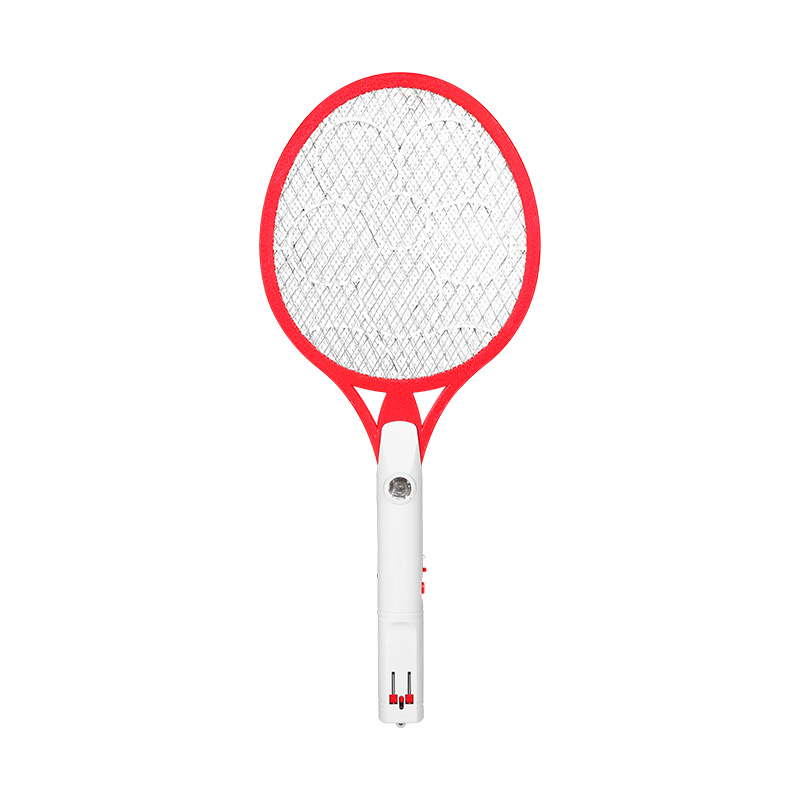
The racket carries a mesh of fine wires inside an outer guard. When a mosquito flies into the inner mesh and touches the wires, it completes a circuit and gets zapped with a brief electrical discharge. The guard keeps your fingers away from the live wires, which is why the device is sold as a handheld tool for ordinary households.
Not having to spray anything is a real advantage in a home with animals. Airborne repellents settle on surfaces, drift near food bowls, and bother birds in particular. A racket leaves nothing behind in the air.
Still, no chemical does not mean no risk. A nose, a tongue, or a paw pushed through the outer guard can reach energized wires, and an animal that gets a shock may be frightened, hurt, or both. Treat the racket the way you would treat a hair straightener or a kettle: useful, ordinary, and not something to leave where animals can reach.
How Cats and Dogs Tend to Get Into Trouble
Cats are drawn to movement. A racket swung through the air is a bright, buzzing, darting thing, and plenty of cats will try to follow it with a leap. The risk is not usually the swatting itself. It is the moment afterward, when the racket is laid on a sofa arm or a shelf and a cat decides to investigate by sniffing the mesh.
Dogs explore with their mouths. A racket left on a low table, near a bed, or on the floor beside the charging cable can look like a chew item, especially to a puppy who is still working out what belongs in his mouth. Handles and cables take the brunt of that chewing, and a damaged cable is a hazard on its own.
Small pets need a separate thought. Birds, rabbits, hamsters, and guinea pigs live in enclosures that don't always prevent contact, and a startled animal can move quickly. Keep the racket away from cages, avoid using it right next to an enclosure, and never rest it on an enclosure. If you share a room with a bird, it can be wise to use the racket in a different room altogether.
A Routine That Works in a Busy House
You don't need to give up the racket because you have pets. You need a habit around it. A short routine, repeated every time, covers much of the risk.
Before you pick it up, find your animals. If the cat is curled on the bed and the dog is asleep in the hall, you have room to work. If either of them is circling and curious, shut a door or wait. Don't try to swat with a pet in your lap or leaning against your leg.
Look at the racket itself. Check the outer guard for cracks, bent wires, or gaps, and make sure the handle and switch feel solid. A guard that has been stepped on, chewed, or dropped should not be used. If the mesh looks loose, if you smell something burning, or if the housing feels unusually warm, put the device away and don't use it until it has been checked or replaced.
Swat with purpose. Keep your movements controlled and away from furniture where animals climb. Once the mosquito is gone, switch the racket off straight away, instead of leaving it live while you chase the next one.
Handling after use matters as much. Don't assume that switching it off makes every part safe to touch, and follow the maker's instructions about any residual charge. Then put it where animals cannot get to it, which is a closed cabinet or a high shelf, not the arm of the sofa.
Charging Without Drama
Rechargeable rackets add a cable, a plug, and a battery to the picture. That's three more things a curious dog can chew or a cat can bat around. Charge the racket in a room animals don't use, or on a surface that they can't reach, and use the charger that came with it.
Don't cover the racket while it charges, and don't leave it plugged in overnight beside a pet bed. If the housing gets unusually warm, if the cable frays, or if the battery looks swollen, unplug it and quit using it. Charging in a spot with a little space around it is a small habit that avoids a lot of worry.

What to Look for When Buying
Pet owners should be a little pickier than other buyers. A few features are worth checking before you pay.
Begin with the outer guard. Look for a mesh that sits firmly around the inner wires with no gaps wide enough for a paw or a nose, and make sure it holds its shape when you squeeze it gently. A flimsy guard is a bigger problem in a home with animals.
The switch should be clearly marked and easy to understand. Some models have a button you must hold or press twice to activate, which helps prevent accidental switching on when the racket is knocked or tossed in a drawer. That kind of safety lock is useful in homes with children and pets alike.
Pay attention to the housing and the handle. A solid, well-fitted body protects the wiring inside, and a comfortable grip makes controlled swatting easier. Read the manual too. Clear warnings and storage advice are a good sign, while a vague leaflet isn't.
None of these features makes the racket harmless, so buy for sturdiness and plan to keep it out of reach anyway.
If a Pet Touches It
Accidents happen even in careful houses. If an animal touches the mesh while the racket is live, switch the device off, move it away, and check the animal calmly. Look for signs of distress such as yelping, drooling, trembling, hiding, or refusing to eat, and look at the mouth, nose, and paws for burns or redness.
Call a veterinarian instead of waiting to see what happens. Small animals in particular can be affected more than they appear, and a vet can tell you whether an examination is needed. Don't try home treatment, and don't put the racket back in use until you've checked it for damage.
Keeping Mosquitoes Out to Begin With
A racket deals with mosquitoes that are already inside, which is the least pleasant moment. Cutting down on how many get in makes life easier for you and safer for your animals.
Window and door screens do reliable, steady work. Walk around the house and check for torn mesh, gaps at the corners, and doors that don't quite close. Mending those openings often reduces the number of mosquitoes more than any handheld device does.
Standing water is where mosquitoes breed, so look around for it. Plant saucers, buckets, old containers, clogged drains, and garden ornaments that hold rain are common culprits. Emptying them every so often takes minutes and makes a real difference over a warm season.
Nets can help over a sleeping area, as long as the fabric hangs where animals can't tug it or get tangled. Repellents need more care. Products meant for people can be harmful to animals, and birds and cats are especially sensitive. Read labels closely, use only products made for the species you own, and ask a veterinarian before introducing anything new.
Finding the Right Balance
An Electric Mosquito Racket can fit into a pet-friendly home when it is handled with a little discipline. Use it when animals are out of the way, inspect it before each use, switch it off promptly, charge it out of reach, and store it somewhere closed. Those habits cost very little and remove much of the danger.
If your dog chews everything or your cat leaps at anything that moves, lean toward more distance and more barriers, and rely on screens and standing-water cleanup for the daily work. Every household is different, and the sensible setup is the one that matches how your own animals actually behave.