English
  Español
  Deutsch
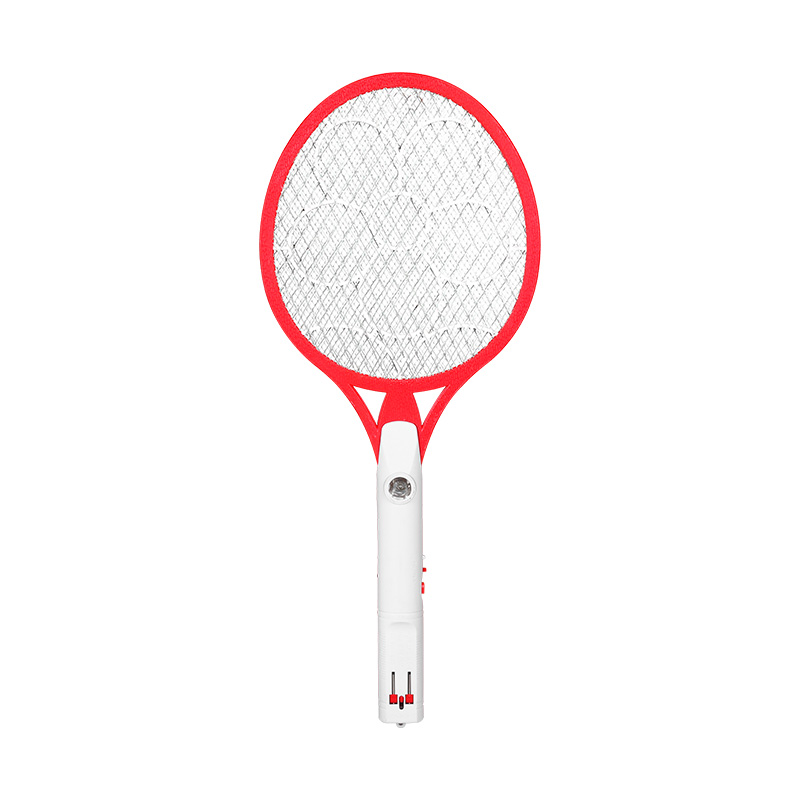
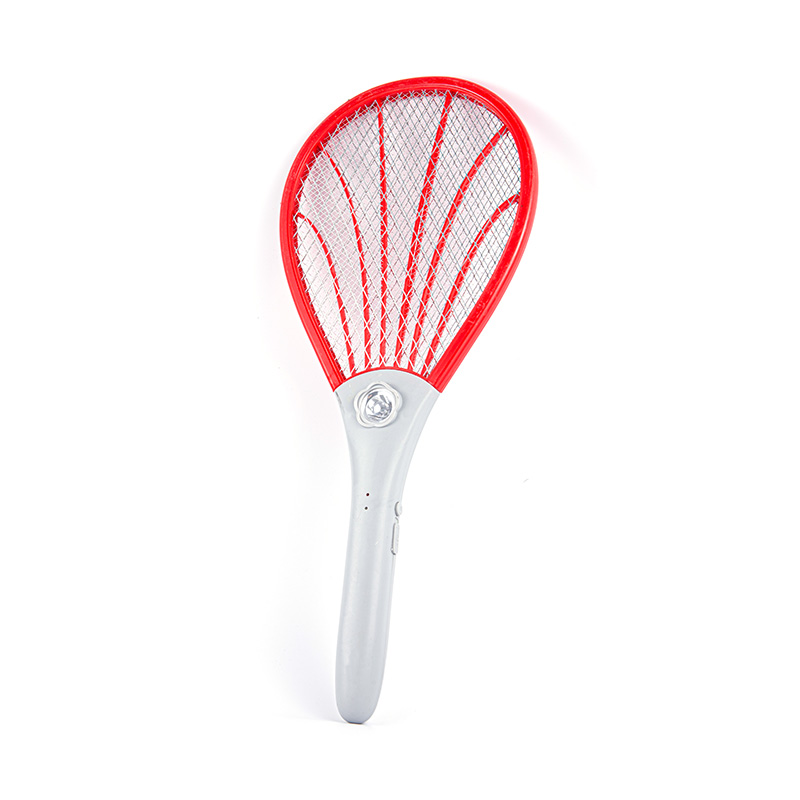
 A USB Electric Mosquito Swatter works through electrical contact rather than liquid treatment or sprayed substances. Inside the handle, stored electrical energy is converted into a form that can reach the metal grid when the device is switched on.
Several parts work together during normal operation. A rechargeable power source supplies energy, internal circuitry manages that energy, and conductive sections in the grid carry an electrical charge. Once an insect touches suitable parts of the grid at the same time, an electrical path can form through its body.
Mosquitoes are small flying insects, so contact can occur while they pass through the open grid. No chemical cloud needs to surround the insect, and no liquid needs to remain on a treated surface.
Basic operation can be viewed as a simple sequence:
- USB charging stores electrical energy in the internal power source.
- A switch activates the electrical circuit.
- Energy reaches the conductive grid.
- A flying insect approaches the grid.
- Contact between conductive sections allows current to pass through the insect.
- The insect is affected by the electrical discharge.
Grid construction matters because openings need to allow insects to reach energized sections while keeping normal hand contact separated from active areas. Protective layers around the grid add another physical barrier during handling.
How the Electrical Grid Interacts With Mosquitoes
A mosquito does not need to touch the entire grid for an electrical reaction to occur. Contact with suitable conductive sections can create a path through the insect. As a result, simply being near an energized swatter does not produce the same effect as passing through its active grid.
Grid spacing has a practical role in operation. Openings that are too narrow may reduce insect access, while an arrangement with suitable gaps allows flying insects to enter the active area more naturally.
Movement also affects contact. Mosquitoes do not travel in a straight line at all times, so positioning a swatter directly in the insect's path can make contact easier than holding it still in an unrelated area.
| Factor | Influence on Contact |
|---|---|
| Grid Opening | Allows insects to reach conductive sections |
| Insect Movement | Determines approach direction |
| Swatter Position | Changes the chance of interception |
| Surrounding Light | Can affect where insects move |
| Air Movement | May alter flight direction |
| Grid Cleanliness | Helps maintain normal operation |
Once contact occurs, stored electrical energy moves through the available path. Physical size, body position and contact location can influence how the electrical response occurs.
Why No Chemical Spray Is Needed
Electrical insect control uses physical contact rather than a substance applied to air, surfaces or insects. A mosquito is affected when it enters the active grid, so operation does not depend on releasing a spray or leaving a chemical residue behind.
Such a method can be useful in situations where people prefer to avoid aerosol products during short periods of insect control. Indoor spaces such as bedrooms, balconies and living areas may involve different requirements from outdoor areas, so placement and handling still matter.
Chemical-free operation does not mean that every surrounding condition becomes irrelevant. Food, water, children, pets and electrical equipment still require sensible separation from an active device.
A simple distinction helps clarify the working principle:
Chemical treatment:
A substance reaches the insect through air or a treated surface.
Electrical contact:
An insect enters an energized physical structure and completes an electrical path.
No chemical delivery system is required for the second approach. Operation remains dependent on battery condition, grid condition and physical contact.
How the USB Power System Supports Daily Use
USB charging changes how portable insect swatters are powered. Instead of relying entirely on disposable batteries, a rechargeable internal power source can store energy for later use.
During charging, electrical energy enters the device through its charging connection. Internal components regulate the charging process and store energy for later operation. Once charging is complete according to the product's instructions, the swatter can be used without remaining connected to a power source.
Battery condition can influence normal operation. A device with limited stored energy may show weaker performance or stop operating before the grid can be used normally. Charging habits therefore form part of everyday maintenance.
Some practical habits include:
- Use a suitable charging source.
- Keep the charging connection clean and dry.
- Avoid using damaged charging cables.
- Store the device away from moisture.
- Follow the charging instructions supplied with the product.
A USB-powered design can also make portable use more convenient because charging equipment is commonly available in homes and workplaces. Even so, charging should take place in a dry and suitable environment.
How Light Helps Attract or Locate Flying Insects
An Electric Fly Swatter With Light combines insect interception with illumination. A small light can make flying insects easier to locate in dim surroundings, while the active grid provides the physical contact area.
Light can influence insect movement, although responses vary among different insects and environmental conditions. A mosquito may remain near a lit area, move through it or change direction according to surrounding light and airflow.
For practical use, illumination can serve two purposes. It can make an insect easier to see, and it can help identify where the swatter is positioned in a dark room.
Position still matters. Holding a lighted swatter far from an insect does not guarantee contact. A suitable angle and movement path are needed for the insect to enter the grid.
During nighttime use, surrounding room lights can also affect insect behavior. A quieter area with less competing illumination may make observation easier, while moving air from fans or open windows can alter flight direction.
What Affects Mosquito Contact With the Grid
Electrical operation depends on contact, so insect behavior remains an important part of actual use. A mosquito may fly around a room without entering the active area, even when the device is switched on.
Room conditions can change movement patterns. Air currents from ventilation, fans or open doors may push insects away from the intended path. Furniture, curtains and other objects can also provide places where insects remain out of direct view.
Swatter movement needs some control as well. Fast and irregular movements can make interception difficult, while slower positioning near an insect's flight path may provide a more practical opportunity for contact.
Several environmental factors can influence results:
- Room airflow
- Ambient lighting
- Insect activity
- Swatter position
- Nearby hiding places
- Condition of the electrical grid
A clean and unobstructed grid allows insects to enter the intended area. Accumulated residue may interfere with normal use, making routine cleaning an important part of maintenance.
How the Protective Structure Supports Safer Handling
An electric swatter needs a physical structure that separates normal hand contact from energized parts. A protective outer grid can create space between fingers and conductive sections while still allowing flying insects to reach the active area.
Handle design also matters because users generally hold the device from one end while moving the grid through the surrounding space. A firm connection between handle and grid helps keep the structure in a stable position during ordinary movement.
Damage to protective parts deserves attention. Cracks, loose sections or exposed conductive areas can change the intended separation between the hand and active components. Continued use of a visibly damaged device can create unnecessary electrical risk.
Several basic checks can be included before operation:
- Inspect the outer protection for cracks or loose sections.
- Check whether the handle remains firmly connected.
- Keep fingers away from the active grid.
- Avoid contact with wet surfaces.
- Stop using a device showing visible electrical or structural damage.
Protection should remain intact throughout the product's service period. A clean, undamaged structure also makes inspection easier because cracks, deformation and residue can be noticed without much difficulty.
How Cleaning and Maintenance Affect Operation
Flying insects can leave residue on a grid after contact. Dust, hair and other particles may also collect between the openings during storage or regular household use. Accumulation can gradually make the grid harder to inspect and may interfere with normal electrical operation.
Cleaning should take place only when the device has been switched off and disconnected from any charging source. Stored electrical energy may remain inside rechargeable equipment after the switch is turned off, so handling should follow the manufacturer's safety instructions.
A simple maintenance routine can include:
- Remove loose residue
Use a method suitable for the product structure rather than forcing objects between conductive sections. - Check the grid
Look for deformation, broken sections or material buildup. - Inspect the handle
Make sure the casing and control area remain intact. - Check the charging port
Keep the connection area free from moisture and accumulated dirt. - Store in a dry location
Avoid placing the device beside sinks, wet floors or areas exposed to condensation.
Water requires particular attention. An electric device should not be treated as washable household equipment unless its design specifically allows such treatment. Pouring liquid onto the grid can create unnecessary electrical and material problems.
Regular inspection also helps identify gradual wear. A small crack or loose protective section may be easier to manage when noticed early than after repeated handling.
What Buyers Should Consider When Choosing Products for Wholesale
For Electric Fly Swatter Wholesale purchasing, product selection involves more than checking appearance. Intended use, charging method, protective structure and lighting functions can all influence suitability for different markets and household environments.
Wholesale buyers may need to consider how products will be stored, transported and used after delivery. A compact design may suit household storage, while a stronger protective structure may be relevant for products expected to experience frequent handling.
Charging compatibility also deserves attention. USB-powered products rely on suitable charging equipment, so packaging and instructions should make the charging method clear.
An Electric Fly Swatter With Light may be considered where nighttime insect activity is common or where illumination helps with positioning. A version without an integrated light may suit situations where existing room lighting provides sufficient visibility.
| Selection Factor | Why It Matters |
|---|---|
| USB Charging | Influences everyday power management |
| Grid Structure | Affects insect access and handling |
| Protective Cover | Helps separate hands from active sections |
| Light Function | Supports visibility in dim surroundings |
| Handle Design | Influences movement and control |
| Storage Method | Affects condition between uses |
| Instruction Clarity | Supports correct operation |
Wholesale decisions can also consider the intended environment. Indoor household use, temporary outdoor use and nighttime use may create different expectations for lighting, protection and storage.
How Chemical Free Insect Control Fits Into Household Use
Electrical insect control provides a physical method for dealing with flying insects without applying a chemical substance to surrounding surfaces. Operation takes place at the energized grid, so the device does not need to release a spray into a room.
Such a method can fit short-term household situations where an insect is visible and contact can be achieved. Bedrooms, kitchens, balconies and other living spaces may have different environmental conditions, so sensible placement remains important.
Chemical-free operation should not be confused with maintenance-free operation. Electrical products still require appropriate handling, charging and storage. Moisture remains unsuitable around energized equipment, while damaged components should not continue in service.
Room management can also reduce insect activity around living areas. Screens, closed openings and reduced food residue may help limit the conditions that attract insects. An electric swatter can then serve as one physical control method rather than functioning as a replacement for general household cleanliness.
How Everyday Conditions Influence Practical Operation
Actual performance depends on more than electrical output. A mosquito needs to reach the active grid, and surrounding conditions can influence that movement.
Air circulation may redirect insects away from the device. Strong room lighting can change where insects are noticed. Furniture and curtains may provide areas where insects remain hidden. A lighted swatter can improve visibility in darker areas, although illumination alone does not guarantee contact.
Positioning can therefore make a meaningful difference. Holding the grid near a visible flight path gives an insect a clearer opportunity to enter the openings. Excessive swinging may make accurate positioning harder and can increase unnecessary mechanical stress on the handle.
A calm approach generally makes observation easier. Once an insect is located, the grid can be positioned along its movement path rather than being moved randomly through the room.
How USB Electric Mosquito Swatter Use Connects With Maintenance
A USB Electric Mosquito Swatter combines a rechargeable power source, electrical grid, protective structure and handheld form. Each part contributes to normal operation, so care should cover the complete device rather than focusing only on the grid.
Charging supports repeated use, while a clean grid allows insects to make suitable contact. Protective parts maintain separation around energized sections, and proper storage helps protect plastic and electrical components between periods of operation.
A practical routine can remain simple:
- Inspect before use.
- Keep the device dry.
- Check the grid for residue or damage.
- Charge through a suitable USB connection.
- Avoid touching energized sections.
- Store away from moisture and excessive heat.
- Follow the supplied operating instructions.
For models that include illumination, checking the light function can also help confirm that the device remains in normal condition. A change in lighting, charging behavior or grid response may indicate a need for closer inspection.
Electrical insect control works through a straightforward physical principle: stored electrical energy reaches a conductive grid, and an insect that bridges suitable sections can complete a path through its body. No chemical spray is needed for that process. Proper grid access, suitable positioning, intact protection and regular care all influence how the device performs during everyday household use.