English
  Español
  Deutsch
 Portable cooling products have worked their way into all kinds of daily routines — commutes, outdoor trips, office desks, travel bags. A small cooling device has to feel good in the hand while still being easy to carry, tuck away, and pull back out when needed. Size, weight, internal structure, all of it feeds directly into how people actually experience the product day to day.
A Mini Handheld Cooling Fan is really more than just a compact source of airflow. Grip comfort, balance, where the battery sits, which way the air blows, what material covers the outside — every one of these choices shapes the carrying experience, especially since portable devices tend to get picked up for a few minutes here, carried around all day there.
Manufacturing keeps pace with this focus on practical refinement. Mini Fan Manufacturers have to think through how every component works with every other one, from the internal layout out to the visible exterior, so the finished product actually holds up across different ways people use it.
A lot of this comes down to small details that are easy to overlook — a slightly different handle curve, a different internal arrangement, a texture change on the surface. Any of these can shift how a device feels in someone's hand, and for portable products, that feel is inseparable from how easily the thing gets carried and stored in the first place.
Why Size Design Influences Portable Cooling Experience
Size sits at the center of how easy a cooling device is to live with day to day. A compact enough structure slips into a bag, a drawer, a small corner of a desk without becoming a burden to carry around.
Shrinking that size down isn't as simple as it sounds, though. Internal parts still need room to actually function, and the outer shell has to stay comfortable to hold despite the tighter footprint.
Good size planning tends to weigh a handful of things together:
- How much internal space the components genuinely need
- Whether the holding area stays comfortable
- How easily the device tucks away for storage
- Visual balance across the whole structure
- The real situations the product gets used in
Go too big, and the device becomes a hassle to carry. Go too small, and grip comfort starts to suffer. Designers are constantly threading that needle between portability and usability.
Daily context matters here too. Someone traveling probably wants something small enough to disappear among other belongings, while office use tends to prioritize easy desk storage and dead‑simple operation instead.
Size decisions ripple into production as well — manufacturers have to arrange internal parts with real care so that a compact footprint doesn't turn into an assembly nightmare.
The takeaway is that portability was never just about shrinking dimensions. A structure worth using well has to account for how it actually feels once it's in someone's hand, moving through a bag, or sitting in storage.
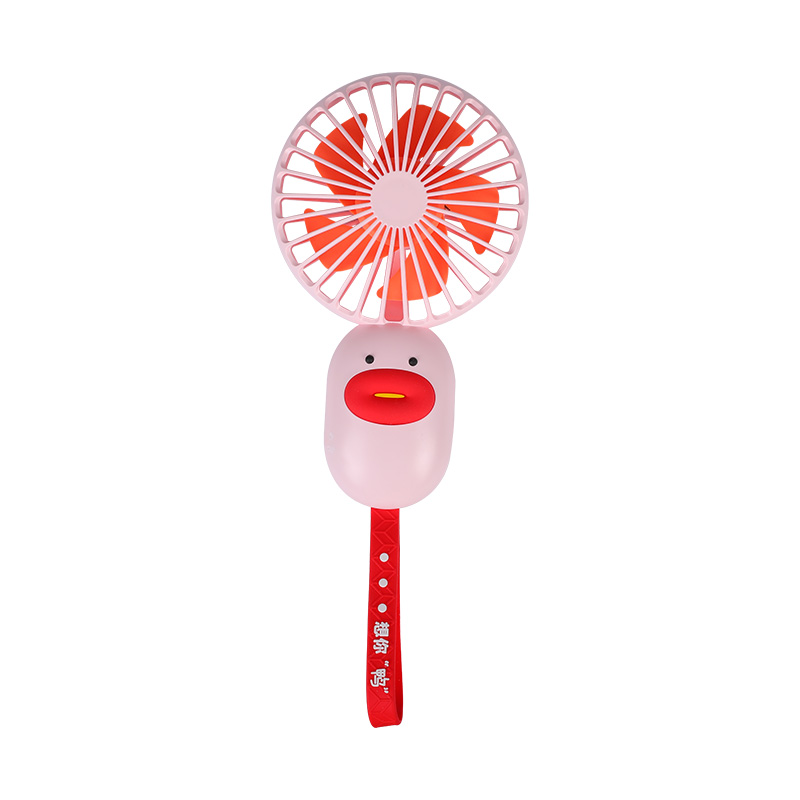
How Weight Distribution Affects Handheld Comfort
Weight distribution carries a lot of weight, so to speak, in handheld product design. Even a genuinely lightweight device can feel awkward if its internal parts sit unevenly inside the shell.
Motor, battery, control components — where each one lands inside the body determines how weight spreads across the handle and casing.
A well‑balanced structure tends to pay off in a few concrete ways:
- Holding the device stays easier over longer stretches
- Less pressure builds up on fingers
- Hand positioning feels more natural
- Movement and control both improve
When weight clusters in one spot, keeping the device steady takes noticeably more effort. Designers typically shift internal placement around specifically to smooth that experience out.
The handle plays into this balance directly, too. A grip that's genuinely comfortable makes a real difference in control, whether someone's walking, standing still, or moving between rooms.
Preferences vary from person to person, naturally — some want a device that feels almost weightless, others prefer something with a bit more heft and solidity. So design work usually chases a practical middle ground rather than committing to one fixed philosophy.
Weight planning even shapes how the device travels. A well‑balanced structure slides into a bag more easily since it's less likely to press awkwardly against whatever else is packed in there.
What Role Does Handle Design Play in Carrying Convenience
The handle is where the user and the device actually meet. Its shape, size, and surface finish all shape how the thing feels through everyday handling.
A handle that works well accounts for natural finger placement and holding posture — rounded edges, a comfortable surface, and enough grip space all make repeated carrying feel effortless rather than tiring.
| Design Factor | Influence on Carrying Experience |
|---|---|
| Grip shape | Affects holding comfort and stability |
| Surface texture | Influences hand contact feeling |
| Handle size | Determines suitability for different hand positions |
| Connection structure | Supports overall balance |
Surface texture alone changes the interaction quite a bit — a smooth finish feels genuinely different from a slightly textured surface built to improve grip stability.
Handle design shifts depending on how the device gets used, too. Something meant for brief, occasional use can get away with a simple grip, while a device carried around constantly benefits from more thought put into holding comfort specifically.
Storage factors in here as well. A thoughtfully shaped handle makes it noticeably easier to grab the device from a bag, a shelf, or a desk without fumbling.
Small structural tweaks tend to add up to real differences in daily handling. For portable cooling products, the handle isn't just a supporting piece bolted on — it's genuinely where design and user experience meet.
How Battery and Internal Layout Affect Portability
Internal layout shapes both how a device looks and how it feels to carry. A compact exterior only works if the components inside are arranged with real intention.
Battery position, motor placement, control parts — all of it affects weight balance and how much usable space remains, and designers have to juggle these pieces while keeping the whole structure genuinely practical.
Internal planning usually weighs:
- Where each component sits
- How heat spreads through the device
- Overall weight balance
- How easy the unit is to maintain
- What the assembly process actually demands
Battery placement connects directly to how portable the final product feels. A heavier component sitting far from the grip changes the whole handling experience, while shifting components closer to the center tends to even that balance right back out.
Motor placement matters just as much, shaping both airflow and vibration control — internal arrangement has to stay in sync with the external design rather than working against it.
For manufacturers, building compact devices well takes real coordination between design intent and assembly execution. Mini Fan Manufacturers tend to scrutinize internal structure closely, since even small shifts inside can noticeably change how the final product feels in someone's hand.
Get the internal organization right, and a portable cooling product holds onto its compact form while still doing everything it needs to do, day after day.
How Airflow Structure Influences Portable Use
Airflow design shapes how naturally a handheld cooling device fits into daily life. A portable product has to deliver genuinely comfortable airflow while staying compact enough to carry around without a second thought.
Where that air actually goes depends on a handful of structural pieces working together — the front cover, the internal fan arrangement, the air outlet itself. Each one plays a part in how air travels from inside the device out toward the person holding it.
A practical airflow structure usually accounts for:
- Where the air outlet sits
- How far the airflow reaches
- Noise levels during operation
- How internal space gets arranged
- The trade‑off between airflow strength and overall size
A wider outlet feels noticeably different from a narrower one, and designers have to weigh how that airflow reaches the user against keeping the body small enough to carry comfortably.
Fan placement inside the unit ties into overall balance too — the airflow system can't really be designed in isolation, since shifts inside the device ripple out into weight, vibration, and how the whole thing feels in hand.
Portable cooling products bounce between all kinds of environments in a single day. Outdoor settings, office desks, travel bags — each one asks for something slightly different from the airflow experience, and a flexible design approach is really what lets a single product handle that range without compromise.
Airflow performance, in the end, comes down to both internal engineering and external structure working in step. A genuinely comfortable carrying experience isn't just about how much air the device moves — it's about how naturally that airflow fits into whatever someone's actually doing that day.
Which Materials Support a Better Carrying Experience
Material choice shapes a huge part of how a handheld cooling product feels in regular use — surface texture, overall weight, durability, how easy it is to keep clean, all of it traces back to what the device is made from.
Different parts of the device tend to need different material properties. The outer shell has to protect what's inside, while the handle area needs to feel genuinely comfortable against skin during actual use.
Material considerations that tend to matter most:
- Keeping the structure lightweight
- A surface that feels comfortable to the touch
- Standing up to regular handling without wearing down
- Staying easy to clean
- Enough strength to hold up under daily use
A lighter shell generally makes carrying easier, while a sturdier build holds up better under repeated handling — and designers usually end up balancing several of these priorities at once rather than chasing just one.
Texture changes the whole interaction, too. A smooth finish feels distinctly different from a slightly textured surface, and small differences like this can genuinely shift whether a device feels stable and secure while being carried.
Cleaning convenience matters more than it might seem, given how often portable products move between different environments throughout a day. A surface that's simple to wipe down keeps daily use from becoming a chore.
Material decisions loop back into manufacturing too — production planning has to weigh appearance, structure, assembly, and real‑world performance all together rather than treating any of them in isolation.
How Mini Handheld Cooling Fan Designs Adapt to Different Usage Situations
Portable cooling products get used across a wide range of environments, and each one comes with its own expectations. A device carried during travel needs to pack away easily; one that lives on an office desk needs to sit there conveniently instead.
| Usage Situation | Design Consideration |
|---|---|
| Daily commuting | Compact size and easy carrying |
| Outdoor activities | Comfortable grip and stable structure |
| Office use | Quiet operation and simple storage |
| Travel | Lightweight body and space efficiency |
During a commute, carrying convenience becomes genuinely important since the device often shares space with everything else someone's carrying that day — a smaller, well‑balanced structure makes that coexistence a lot easier.
Outdoor activities put more weight on grip and handling specifically. Constant movement, shifting positions, longer stretches of holding the device — all of this shapes how it needs to feel in the hand.
Office settings tend to prioritize simplicity — easy placement, straightforward operation. A compact cooling device that sits naturally on a desk just becomes part of the everyday workspace without demanding attention.
Travel brings its own constraints entirely. Storage space runs tight, so the product's dimensions and shape decide whether it actually fits alongside everything else being packed.
This kind of design flexibility is really what lets portable cooling products serve genuinely different lifestyles. Rather than settling on one fixed pattern of use, manufacturers tend to build with these varied daily situations in mind from the start.
What Design Trends Could Shape Future Portable Cooling Products
Where portable cooling products head next likely keeps circling back to the relationship between convenience, structure, and how people actually live day to day. As habits shift, design attention tends to follow toward the practical details that shape everyday use.
A few areas worth watching:
- Tighter, more efficient internal organization
- Holding structures that feel even more natural
- Maintenance that gets simpler over time
- Better integration into daily routines
- Storage options with more flexibility built in
Internal design will probably keep getting more refined as manufacturers find smarter ways to pack components into limited space — compact structures always demand careful coordination between what the device does and how it looks doing it.
User interaction matters here too. Simple controls, a grip that feels right, operation that doesn't require thinking — all of this makes portable products easier to live with across different situations.
Material development seems likely to keep chasing that same balance between weight, durability, and surface comfort, since the right material choice shapes how a product feels through carrying, storage, and cleaning alike.
Energy management deserves a place in this conversation as well — portable devices have to weigh operating time against internal space and overall weight to stay genuinely convenient to carry around.
Whatever comes next will probably keep circling back to practical needs rather than appearance alone. Carrying experience stays tightly bound to structure, materials, and the habits people actually have.
A portable cooling device is never just about shrinking it down. Real carrying comfort comes from how dimensions, weight distribution, handle design, internal arrangement, airflow structure, and material choice all work together.
A compact structure still has to stay comfortable to hold while doing everything it's meant to do. Internal components need careful placement, since where they sit shapes balance, storage ease, and how the device feels day to day.
Different environments pull design in different directions too — commuting, travel, office use, and outdoor activities each bring their own expectations for portability and operation.
For manufacturers, understanding these everyday usage patterns is really what leads to designs that hold up in practice. Mini Handheld Cooling Fan development depends on getting both the internal structure and the external experience right, and Mini Fan Manufacturers keep adjusting their approach as those everyday needs continue to shift.
Thoughtful design, in the end, is what makes portable cooling products genuinely easier to carry, store, and live with day after day.