English
  Español
  Deutsch
 Basic Structure and Operation
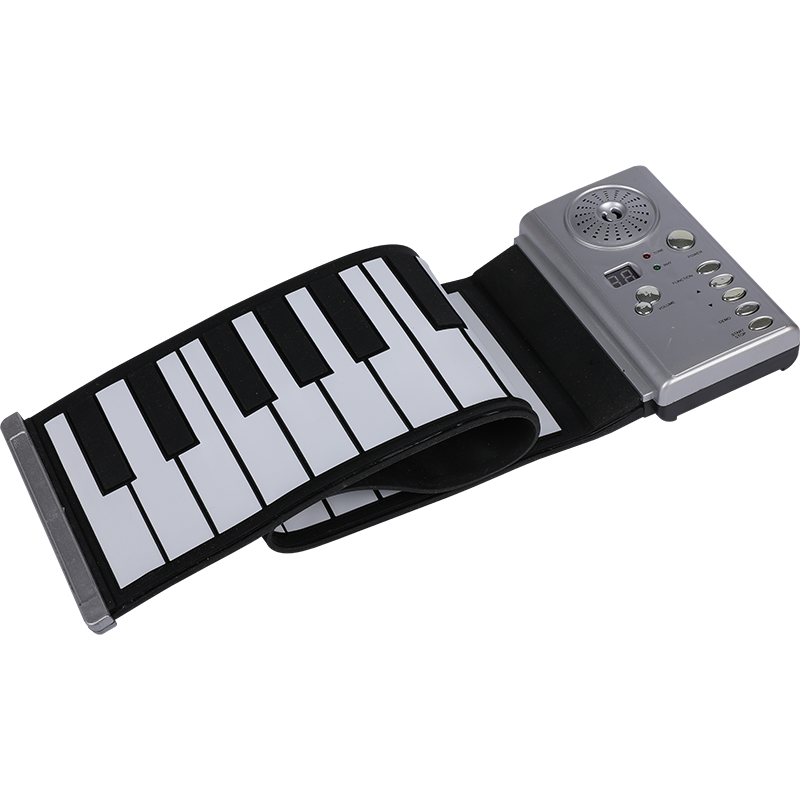
An electronic keyboard typically consists of a keybed, internal sound engine, control panel, and power system. When a key is pressed, an electronic signal is sent to the sound generator, which produces a digital or sampled tone through built-in speakers or external audio equipment. Unlike acoustic pianos, electronic keyboards do not rely on strings or hammers, which eliminates the need for mechanical tuning.
Power is usually supplied by an external adapter or batteries, depending on the model. Many keyboards also include headphone jacks, allowing users to practice quietly without affecting others nearby.
Common Types of Electronic Keyboards
Electronic keyboards can be broadly categorized by their intended use. Entry-level keyboards are often designed for beginners and educational purposes. These models usually include basic sounds, rhythm accompaniment, and simplified controls.
Intermediate and advanced keyboards may offer more detailed sound libraries, touch-sensitive or weighted keys, and expanded connectivity options. Some are designed for live performance, while others focus on music production and composition.
There are also specialized keyboards, such as MIDI controllers, which do not produce sound independently but are used to control external sound modules or software.
Practical Uses in Everyday Settings
Electronic keyboards are commonly used for learning music fundamentals. Their adjustable volume, built-in metronomes, and lesson functions support structured practice. In educational environments, they allow multiple students to practice simultaneously using headphones.
In creative contexts, electronic keyboards support composition and experimentation. Many models include multiple instrument sounds, enabling users to explore different musical styles without switching instruments. This versatility makes them useful for hobbyists and songwriters.
Electronic keyboards are also used in performance settings where portability is important. Compared with acoustic pianos, they are easier to transport and set up, which suits small venues and temporary stages.
1. What is a portable electronic keyboard?
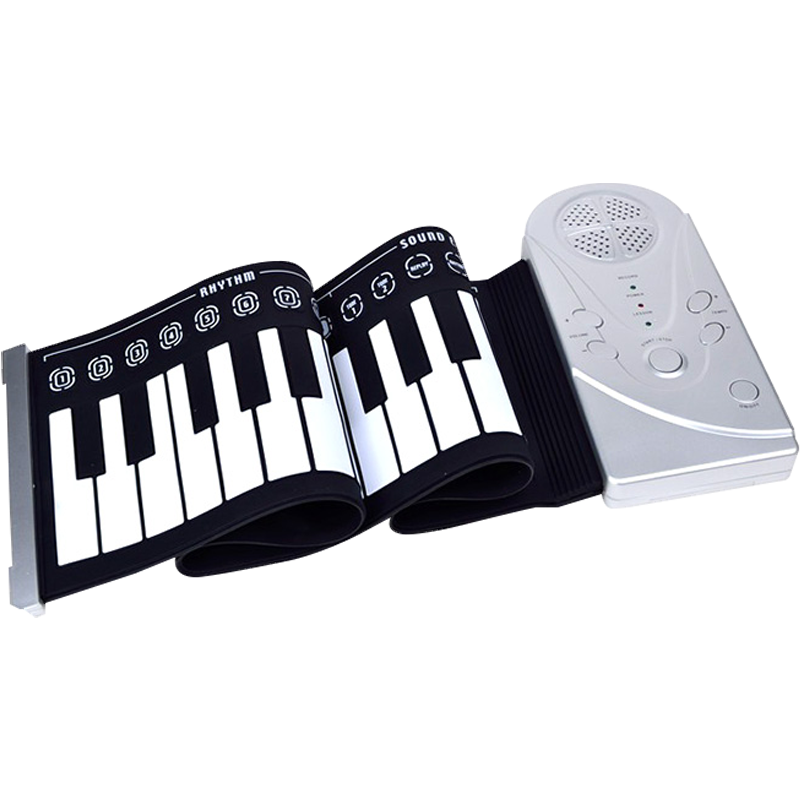
A portable electronic keyboard is a compact, electronically powered musical instrument designed to generate a wide range of sounds. Unlike traditional acoustic instruments, it relies on digital sound generation and built-in speakers. Portability is a defining feature, as many models are lightweight and can be powered by batteries or an external adapter. These keyboards are commonly used by beginners, students, and hobbyists who require flexibility in where and how they practice.
2. How many keys do portable electronic keyboards usually have?
Portable electronic keyboards typically come with 49, 54, 61, or 76 keys. Smaller key counts reduce size and weight, making the instrument easier to carry. While fewer keys limit the playable range, they are often sufficient for basic melodies, chord practice, and introductory music education. Larger portable models may offer a wider range while still remaining relatively easy to transport.
3. What features are commonly included?
Many portable electronic keyboards include a variety of built-in sounds, such as piano, organ, strings, and synthesized tones. Many models also provide rhythm patterns, accompaniment styles, and demo songs. Additional features may include recording functions, metronomes, headphone outputs, and USB or MIDI connectivity. These features are intended to support learning, experimentation, and casual performance rather than formal classical training.
Are portable electronic keyboards suitable for beginners?
Portable electronic keyboards are widely considered suitable for beginners due to their accessibility and straightforward operation. The keys often have a lighter touch than acoustic pianos, making them easier for new players to press. Learning aids, such as light-up keys or lesson modes, are sometimes included. While technique development may differ from acoustic piano training, keyboards can still provide a useful foundation in music theory, rhythm, and coordination.
Can a portable electronic keyboard be used for live performance?
Portable electronic keyboards can be used for small performances, rehearsals, or informal settings. Many models include outputs for external speakers or amplification systems. However, sound quality, key feel, and durability may vary depending on the price range and intended use. For larger venues or professional settings, musicians often supplement or replace portable keyboards with more specialized instruments.
What are the limitations of portable electronic keyboards?
Despite their versatility, portable electronic keyboards have limitations. The key action is usually not weighted, which may not accurately replicate the feel of an acoustic piano. Built-in speakers are often modest in size, limiting sound projection. Additionally, the materials used in portable designs may prioritize lightness over long-term durability. Understanding these limitations helps users align expectations with practical use.
Differences Between Digital Pianos and Electronic Keyboards
Digital pianos and electronic keyboards both rely on digital sound technology, but they are designed with different priorities in mind. One of the notable differences lies in key action and playing feel. Digital pianos typically use weighted or graded hammer-action keys to simulate the resistance of an acoustic piano. This design supports proper finger strength development and dynamic control. Electronic keyboards, by contrast, usually have unweighted or lightly sprung keys that emphasize ease of play and portability.
Digital pianos are primarily designed to reproduce acoustic piano sounds with accuracy. Manufacturers often use detailed sampling techniques to capture tonal variations. Electronic keyboards, on the other hand, emphasize variety. They may include hundreds of instrument voices and sound effects, making them suitable for experimenting with different musical styles.
Portability and physical design also distinguish the two instruments. Electronic keyboards are generally lighter, smaller, and easier to transport. Many can be operated with batteries, allowing use in locations without access to power outlets. Digital pianos tend to be heavier and are often designed as furniture-style instruments or stage pianos, which makes them less convenient to move frequently.
In terms of intended users, digital pianos are commonly chosen by students focusing on classical or formal piano training. Teachers often recommend them as substitutes for acoustic pianos when space or budget is limited. Electronic keyboards appeal to a broader range of users, including beginners, children, songwriters, and performers who value sound diversity and portability.
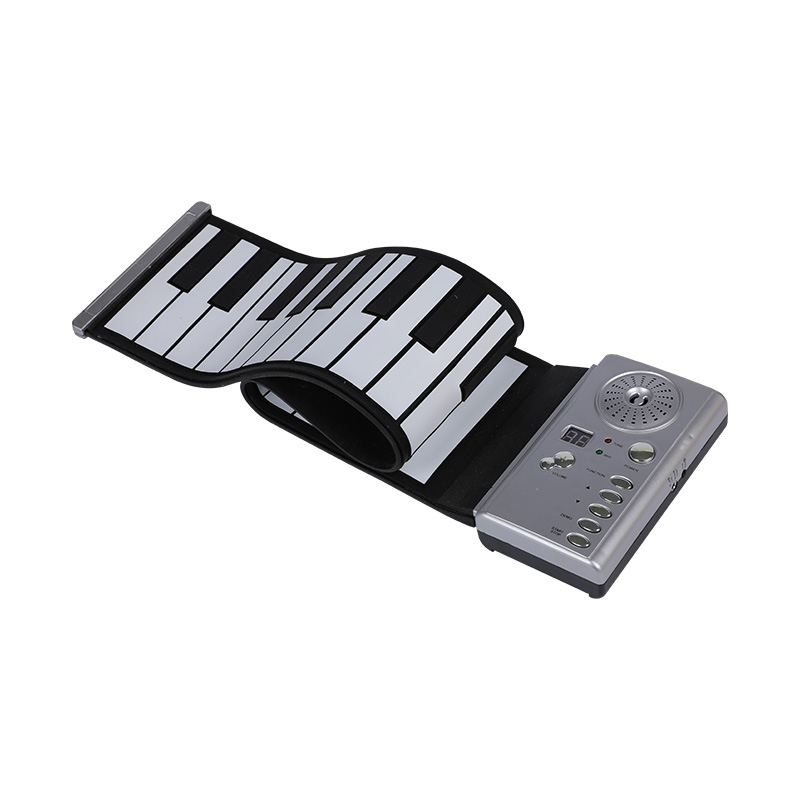
Connectivity and functionality also differ. While both instruments may include MIDI or USB connections, electronic keyboards often place greater emphasis on accompaniment features, rhythm sections, and interactive functions. Digital pianos usually prioritize straightforward controls and minimal distractions to maintain a traditional practice experience.
Price and long-term use vary between the two categories. Electronic keyboards are available across a wide range of prices, with many entry-level options. Digital pianos generally occupy a higher price range due to their mechanical complexity and focus on realistic key action. Over time, a player’s musical goals often determine whether transitioning from a keyboard to a digital piano is appropriate.
Portable electronic keyboards and digital pianos serve distinct roles within modern music practice. Portable electronic keyboards emphasize flexibility, sound variety, and ease of use, making them suitable for beginners and casual musicians. Digital pianos focus on replicating the acoustic piano experience and supporting traditional technique development. Understanding these differences allows individuals to select an instrument that aligns with their learning objectives, space constraints, and musical interests.