English
  Español
  Deutsch
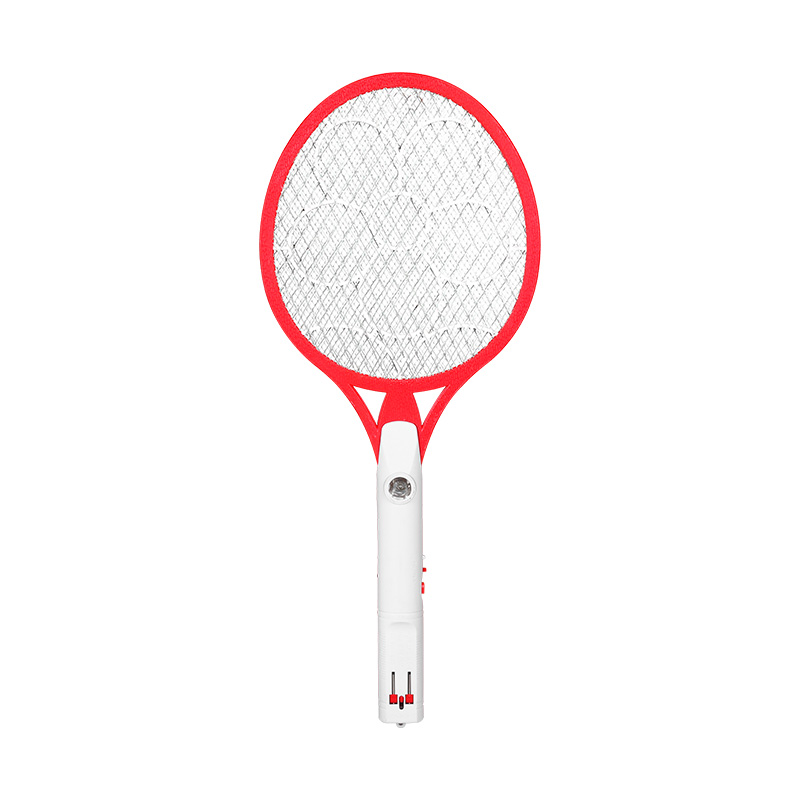
 A rechargeable electric mosquito swatter is a handheld device designed to kill mosquitoes and other insects through an electric charge. It typically features a mesh grid that carries a charge when activated. When the swatter comes into contact with a mosquito, the charge is transferred to the insect, killing it instantly. Unlike traditional mosquito swatters, which require manual swinging and effort, electric models allow for a more precise and effortless elimination of pests.
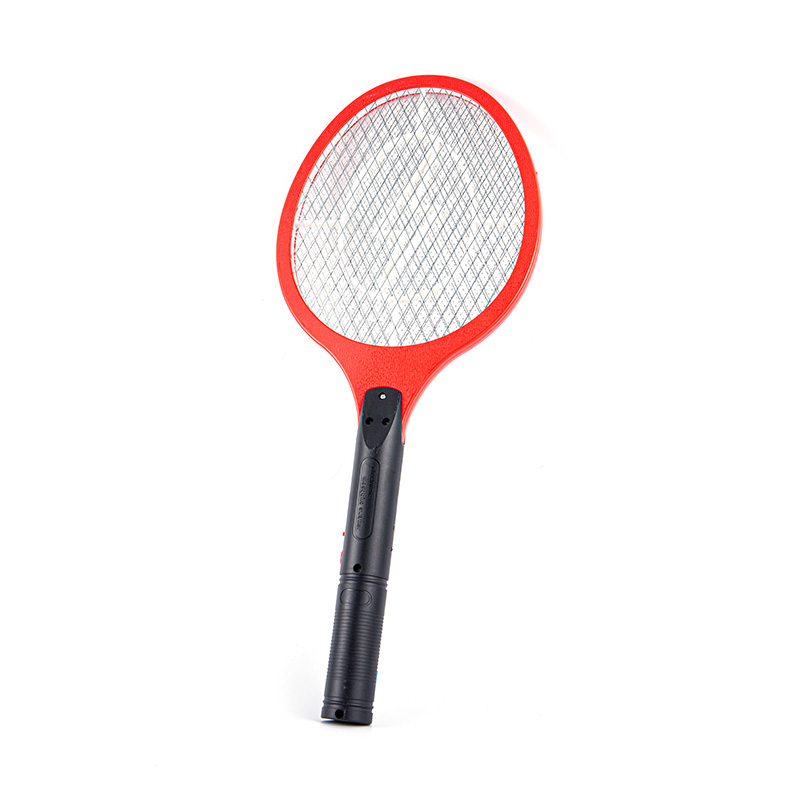
The swatter is powered by an internal rechargeable battery, eliminating the need for disposable batteries. This makes it more environmentally friendly and cost-effective in the long run. The swatter's electric grid is usually protected by a plastic or metallic casing to prevent accidental contact with the electric current. Many modern models also include built-in LED lights to attract mosquitoes, adding another layer of convenience for users.
Benefits of Using a Rechargeable Electric Mosquito Swatter
Eco-friendly and Cost-effective
One of the most significant advantages of a rechargeable electric mosquito swatter is that it is environmentally friendly. Unlike traditional battery-operated models, which require constant battery replacements, rechargeable versions can be powered again and again, reducing waste and ongoing costs. With a fully charged battery, a user can typically use the swatter multiple times before needing to recharge, making it both cost-effective and convenient.
Effective and Immediate Results
Traditional mosquito repellent methods, such as sprays and lotions, often need to be reapplied frequently and may not be as effective in killing mosquitoes. In contrast, a rechargeable electric mosquito swatter provides an immediate solution. As soon as the swatter makes contact with the insect, it delivers a quick electric shock, ensuring the mosquito is eradicated on the spot. This eliminates the need to chase mosquitoes around or apply sticky and potentially harmful chemicals to the skin.
Portability and Convenience
The design of the rechargeable electric mosquito swatter is typically lightweight and easy to handle, making it an excellent option for both indoor and outdoor use. Whether you're sitting on your patio, enjoying an evening BBQ, or just trying to relax inside, this device offers portability without the need for a power outlet or constant refilling of sprays.
Reduced Risk of Chemical Exposure
Many conventional mosquito control methods rely on chemicals such as DEET, which can have harmful effects when applied frequently to the skin. Electric mosquito swatters do not involve the use of any chemicals, reducing the risk of skin irritation or long-term exposure to potentially toxic substances. This makes them particularly appealing for households with children and pets.
Safety Features
Modern rechargeable electric mosquito swatters are equipped with safety features to prevent accidents. These swatters often include protective grids that prevent users from coming into direct contact with the electrical current. Some models even feature a safety switch that disables the swatter when not in use, adding an extra layer of protection.
How to Use a Rechargeable Electric Mosquito Swatter Properly
Charge the Device Fully
Before using the mosquito swatter for the first time, ensure that the battery is fully charged. Most swatters come with a charging cable, and the time it takes to fully charge the device can range from a few hours to overnight. Always follow the manufacturer’s instructions for charging and ensure the device is charged in a safe area to prevent damage or overheating.
Turn on the Swatter
Once the device is charged, turn it on. The electric mosquito swatter typically has a power button or a safety switch that needs to be activated before use. Some models may also have an indicator light that shows whether the swatter is ready for use. Once powered on, the mesh grid will be electrified and ready to kill any insects that come into contact with it.
Swing the Swatter
Hold the handle of the swatter firmly and swing it towards the mosquito or insect. The swatter should be swung with enough force to make contact with the insect. As soon as the mesh grid touches the mosquito, it will receive an electric shock and be killed instantly. You may need to practice your aim to ensure that you hit your target.
Avoid Contact with the Mesh Grid
Be cautious not to touch the electrified mesh grid while the device is on. While many models are designed with protective grids to minimize the risk of shock, it’s still important to handle the device with care. After using the swatter, it’s advisable to turn it off to prevent accidental activation.
Clean the Swatter Regularly
After each use, clean the electric mosquito swatter to remove any residue from the dead insects. Most swatters can be wiped down with a damp cloth, but be sure not to submerge the device in water. Keeping the swatter clean helps maintain its performance and prolongs its lifespan.
Things to Keep in Mind
- Battery Life
While rechargeable batteries are convenient, the battery life of the electric mosquito swatter can diminish over time. If you notice a decrease in usage time between charges, it may be time to replace the battery (if the device allows for replacement) or purchase a new swatter.
- Effectiveness May Vary
While electric mosquito swatters can be highly effective, their performance may depend on factors such as the size of the area and the density of mosquitoes. In large outdoor areas with heavy mosquito activity, you may need to use the swatter more frequently or combine it with other methods like mosquito traps or nets for maximum effectiveness.
- Storage
When not in use, store your electric mosquito swatter in a dry place to protect it from moisture and potential damage. Avoid leaving it in extreme temperatures, as this can negatively impact the battery and overall performance.