English
  Español
  Deutsch
 1. Core Design and Functional Principle
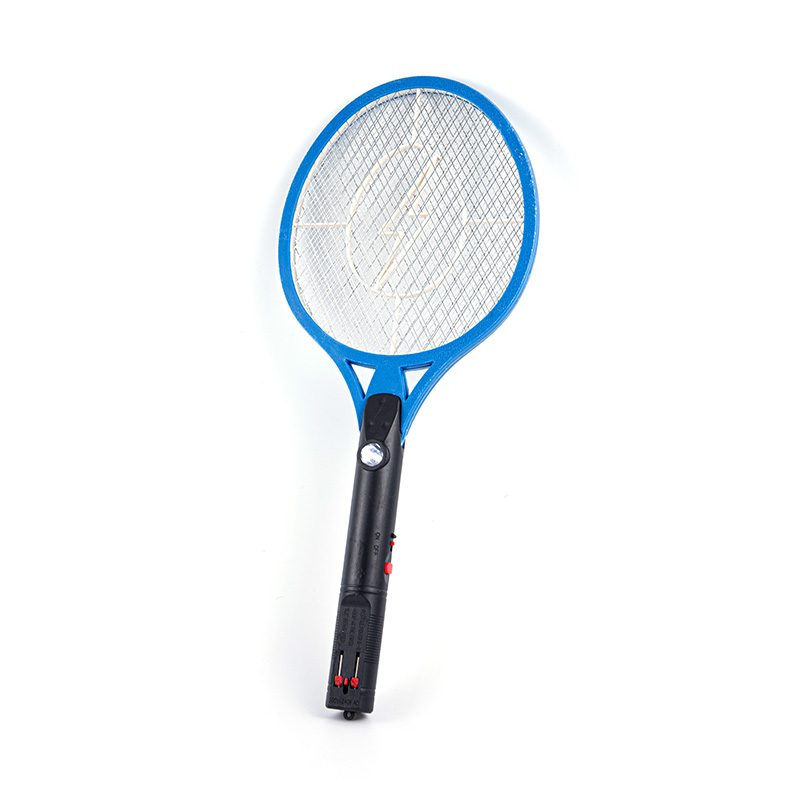
The device consists of a long handle attached to a broad, flat head made from a lightweight, flexible material such as plastic or wire mesh. The head is designed with numerous perforations. This perforated structure is functionally significant; as the swatter is swung, air passes through the holes rather than building up a cushion of air in front of it. This reduces the air pressure wave that would otherwise push a mosquito aside moments before impact, thereby increasing the likelihood of a successful strike.
2. Method of Operation and User Dependency
Operation is entirely manual and kinetic. The user must physically swing the device to intercept a mosquito in mid-flight or at rest. Effectiveness is therefore a direct function of the user's hand-eye coordination, reaction speed, and ability to predict insect movement. The tool requires no power source, chemicals, or setup. The action produces minimal noise, limited to the sound of the swing and impact, and leaves no electrical or chemical residue.
3. Practical Advantages and Limitations
The primary advantages of this tool are its simplicity, zero operational cost, and immediate readiness. It does not require batteries, charging, or refills. It presents no electrical hazard and is typically safe for use around children and pets when used as intended.
Its limitations are inherent to its design. Effectiveness is confined to the user's immediate reach and physical capability. It is impractical for area control or for dealing with significant infestations. Success often requires multiple attempts, and a glancing blow may stun rather than kill the insect. Furthermore, the act of swatting can leave insect remains on surfaces, which then require cleaning.
4. Contexts for Application
This type of swatter is best suited for specific, limited scenarios. It is a practical solution for eliminating one or two mosquitoes that have entered an indoor living space, such as a bedroom or kitchen. It is also a common tool for use in enclosed porches or sheltered outdoor sitting areas where targeted, quiet control is preferred. It is less effective in large, open outdoor areas or in spaces with high insect density.
What is an electric fly swatter bug zapper, and how does it work?
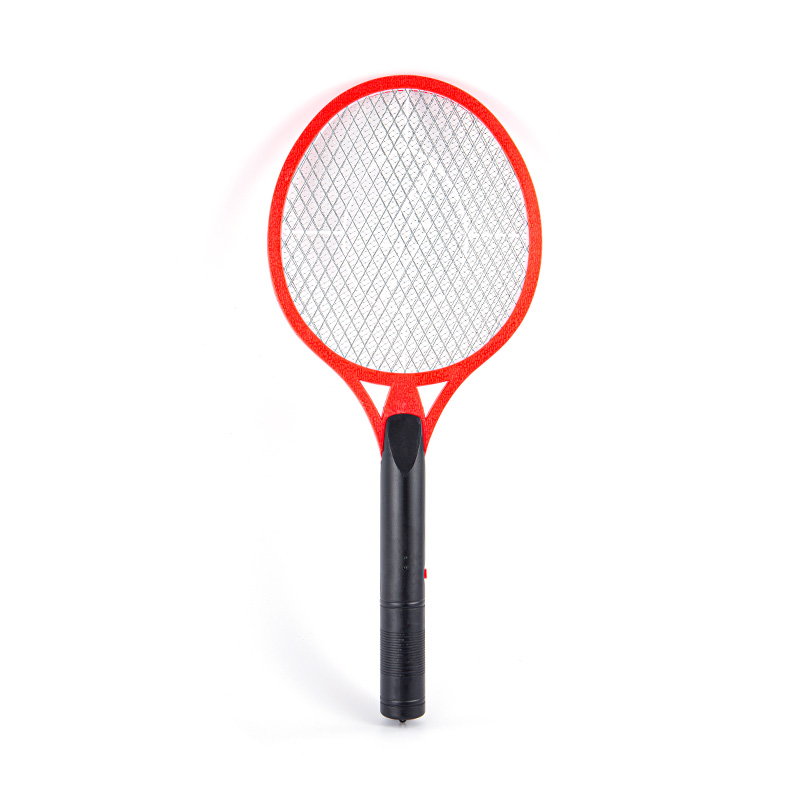
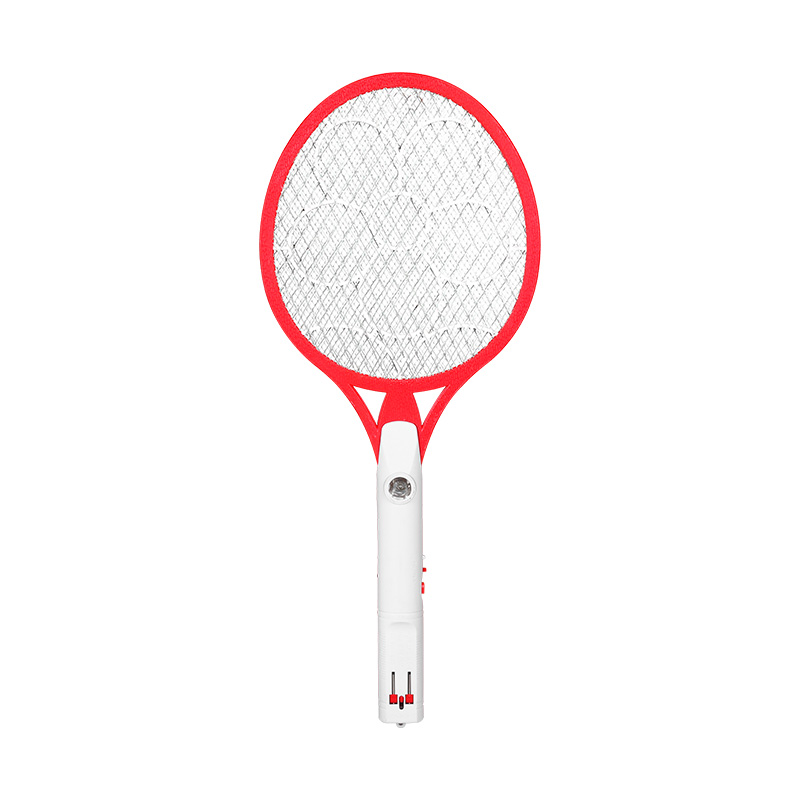
An electric fly swatter bug zapper is a handheld device designed to eliminate insects through an electrically charged mesh. When the device is switched on, electricity flows through layered metal grids. When an insect contacts the mesh, the electrical current disrupts its nervous system, resulting in immediate incapacitation. The device requires either batteries or a rechargeable power source to function.
Is an electric fly swatter safe to use indoors?
Electric fly swatters are generally designed for indoor household use when operated according to instructions. The outer protective mesh limits direct contact with the electrified grid. However, users should avoid touching the inner mesh, keep the device away from children, and ensure it is switched off when not in use. Safety depends largely on proper handling and storage.
What types of insects can an electric fly swatter handle?
Electric fly swatters are primarily intended for flying insects such as mosquitoes, flies, moths, and small gnats. They are less effective against crawling insects or insects with thicker exoskeletons. Performance may also vary depending on the voltage level and mesh spacing of the device.
Does using an electric fly swatter require physical effort?
Compared to traditional swatters, electric fly swatters may reduce the force required to eliminate insects, as electrical contact replaces mechanical impact. However, users still need to aim and swing the device accurately. This makes it suitable for casual household use but less effective in situations involving large numbers of insects.
How does an electric fly swatter compare to chemical insect control?
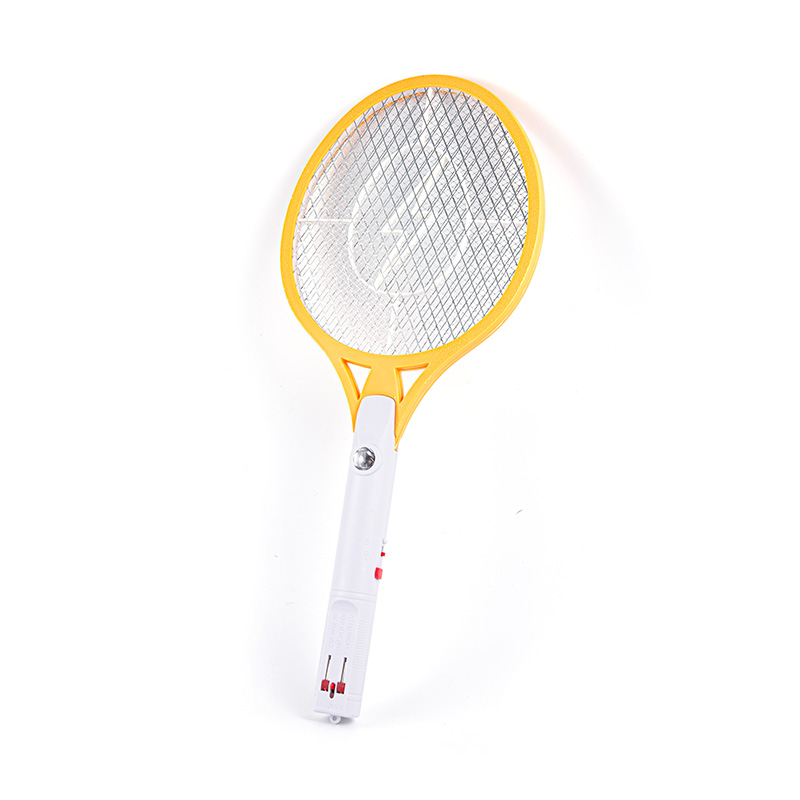
Electric fly swatters provide a non-chemical method of insect control. They do not release sprays, fumes, or residues into the air. This may appeal to users who wish to limit chemical exposure indoors. However, they address individual insects rather than offering long-term population control, unlike some chemical solutions.
What maintenance does an electric fly swatter require?
Maintenance is generally minimal. Users may need to clean insect residue from the mesh using a brush once the device is turned off and disconnected from power. Rechargeable models require periodic charging, while battery-operated models need battery replacement. Proper maintenance helps extend the functional lifespan of the device.
Are electric fly swatters suitable for outdoor use?
Some electric fly swatters can be used outdoors in dry conditions. However, moisture exposure may affect electrical components. Wind and lighting conditions can also reduce effectiveness. Users should review product specifications to determine whether outdoor use is appropriate.
What are the design considerations behind the rechargeable handheld Mosquito Swatter?
From a manufacturing standpoint, a rechargeable handheld mosquito swatter is designed to balance functionality, safety, and production efficiency. The following points describe key considerations and product characteristics from the manufacturer’s perspective:
Product Design and Structure
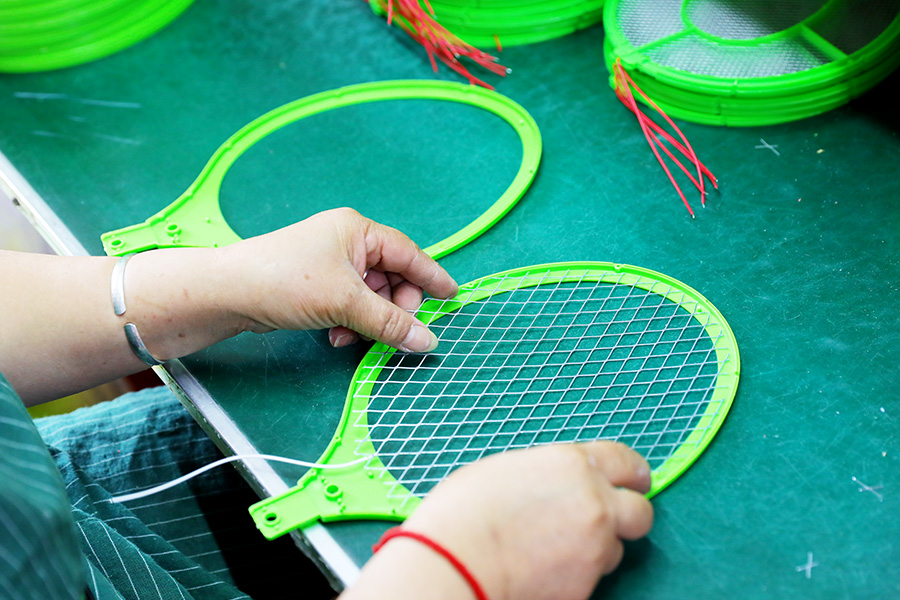
The swatter is typically constructed with a multi-layer mesh system, including an outer protective grid and an internal electrified layer. This structure aims to reduce accidental contact while maintaining functional effectiveness.
Material Selection
Manufacturers commonly use lightweight plastics for the handle and frame to support ease of handling and reduce material costs. Metal meshes are selected for conductivity and durability, with coatings applied to limit corrosion.
Rechargeable Power System
Rechargeable models often incorporate lithium-ion or nickel-based batteries. These power systems are chosen to support repeated charging cycles and stable voltage output. Integrated charging ports, such as USB interfaces, are included for convenience.
Electrical Performance Parameters
Voltage levels are calibrated to meet functional requirements while complying with safety and regulatory standards. Manufacturers test output consistency to ensure predictable operation across production batches.
User Interface and Controls
The activation mechanism is typically a simple switch or button. Manufacturers prioritize clear labeling and tactile feedback to reduce user error during operation.
Safety Compliance and Testing
Products are developed in accordance with applicable electrical safety standards. Manufacturers conduct insulation testing, drop testing, and endurance testing to assess product reliability under normal use conditions.
Manufacturing Process Considerations
Assembly processes are designed for efficiency, often using modular components to streamline production. Quality control checkpoints are implemented to verify electrical function and structural integrity before packaging.
Packaging and Instructions
Packaging materials are selected to protect the product during transport while presenting essential information. Instruction manuals include operational guidance, safety warnings, and maintenance recommendations to support proper use.
Target Market and Application Scenarios
Rechargeable handheld mosquito swatters are positioned for household use, particularly in residential settings where users prefer direct, immediate insect control. Manufacturers also consider seasonal demand and regional insect prevalence when planning production volumes.
Product Lifecycle and Sustainability Considerations
Rechargeable designs reduce reliance on disposable batteries. Manufacturers may also explore recyclable packaging materials and component designs that support responsible disposal at end-of-life.