English
  Español
  Deutsch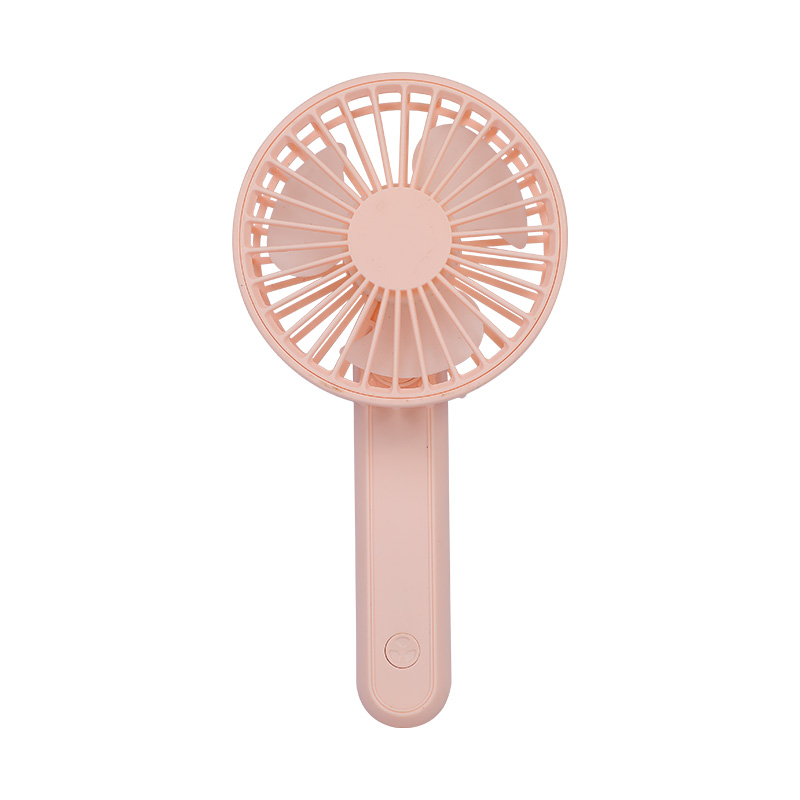


Popular Types of Portable Small Fans
Handheld Portable Fans
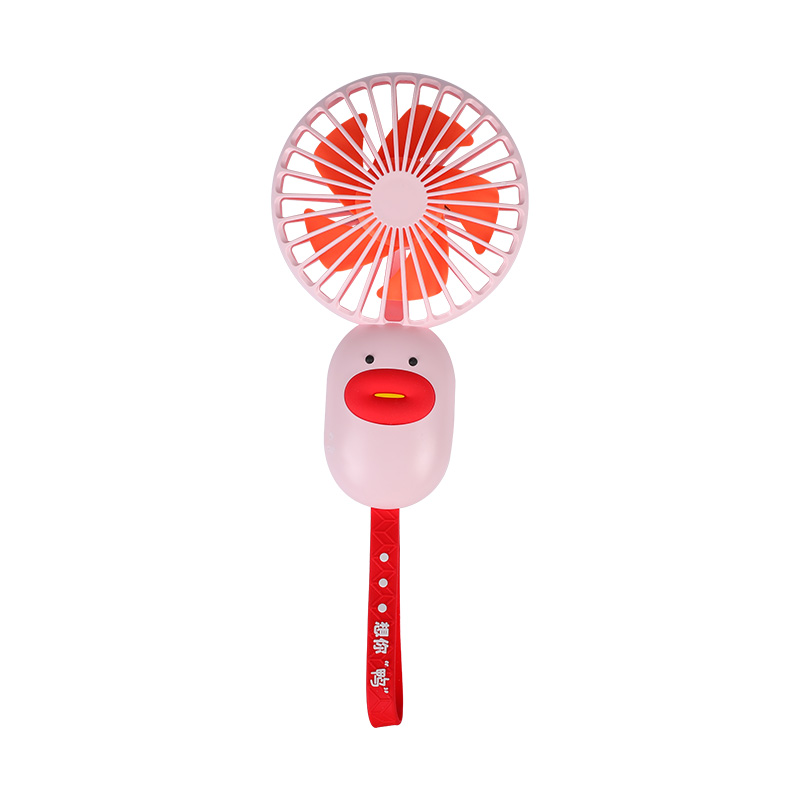
Handheld fans are among the commonly used portable small fans. They are designed for personal cooling and are often powered by rechargeable batteries. Their compact size allows users to carry them in bags or pockets, making them suitable for commuting, outdoor activities, or indoor use without access to fixed cooling equipment. Many handheld fans focus on simple operation, typically using a single power button and limited speed settings.
USB Desktop Fans
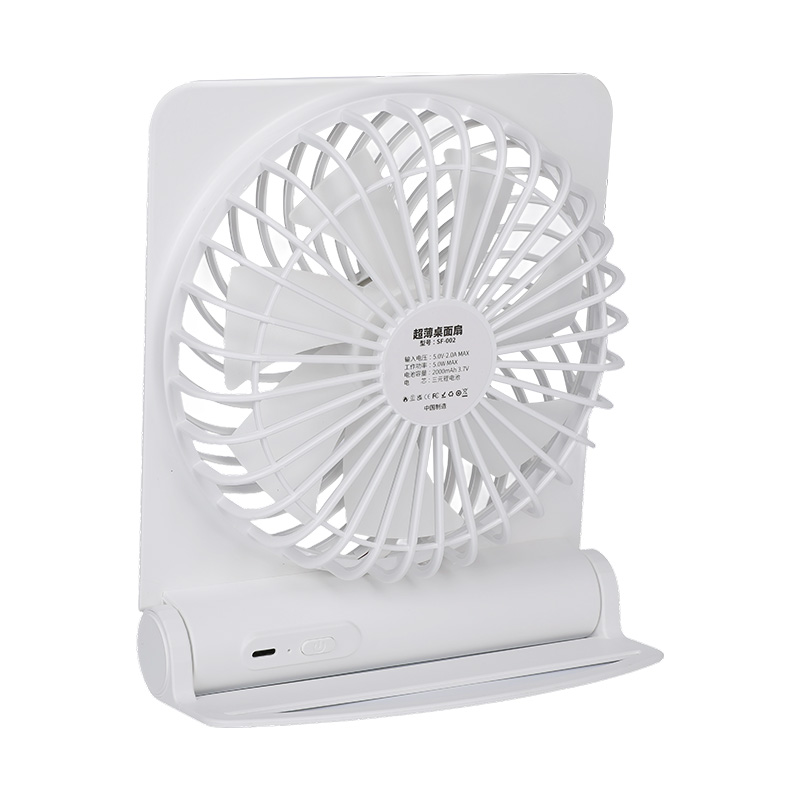
USB desktop fans are popular in office and home environments. These fans are designed to sit on desks, tables, or shelves and are usually powered through USB ports connected to computers, power banks, or wall adapters. Their popularity is linked to stable placement, continuous operation, and compatibility with modern electronic devices. They are often used for localized airflow rather than room-wide cooling.
Clip-On and Stroller Fans
Clip-on fans are designed with adjustable clamps that allow attachment to desks, shelves, bed frames, or strollers. This type is popular among users who need hands-free airflow in specific positions. Parents, office workers, and workshop users often choose clip-on fans because they can be positioned at different angles without occupying flat surface space.
Neck and Wearable Fans
Wearable fans, including neck-mounted designs, have gained attention due to their hands-free operation. These fans rest around the neck and direct airflow upward toward the face. Their popularity is associated with activities such as walking, exercising, or working outdoors where constant movement makes handheld devices less practical.
Components and Functions of a Mini Portable Handheld Fan
A mini portable handheld fan consists of several basic components that work together to generate airflow in a compact form.
Electric Motor
The motor is the core component responsible for rotating the fan blades. It converts electrical energy from the battery into mechanical motion. In portable fans, the motor is typically designed for low power consumption to support longer usage time.
Fan Blades
Fan blades are attached to the motor shaft and move air when rotating. Their shape and size influence airflow direction and intensity. In handheld fans, blades are usually made from lightweight plastic to reduce energy load on the motor.
Rechargeable Battery
Manymini handheld fans use lithium-based rechargeable batteries. The battery supplies power to the motor and control circuit. Battery capacity affects how long the fan can operate between charges.
Control Button or Switch
The control button allows users to turn the fan on or off and adjust speed settings if available. This component manages user input and sends signals to regulate motor speed.
Protective Grille or Housing
The grille surrounds the blades to prevent direct contact with moving parts. The housing also supports structural stability and protects internal components from dust and minor impact.
Charging Port
The charging port, commonly USB-based, allows the battery to be recharged. It connects the fan to power sources such as adapters, computers, or power banks.
What Is the Lifespan of a Portable USB Desktop Fan?
The lifespan of a portable USB desktop fan depends on several practical factors, including component quality, usage frequency, and maintenance conditions. From a general perspective, these fans are designed for repeated daily use in personal environments such as offices and bedrooms.
Motors in USB desktop fans are typically designed for moderate continuous operation. With regular use of several hours per day, a motor can function reliably for multiple years. Reduced strain, such as using lower speed settings, may help extend operational life.
The power supply method also affects lifespan. USB-powered fans rely on stable voltage from computers or adapters. Consistent power sources reduce electrical stress on internal circuits. Frequent plugging and unplugging, however, may gradually wear charging cables or ports.
Dust accumulation can affect airflow and motor efficiency over time. Fans used in clean indoor environments generally experience less wear than those used in workshops or outdoor settings. Periodic cleaning helps maintain airflow and reduces mechanical resistance.
The fan housing and stand also contribute to overall durability. Stable placement reduces vibration, which can otherwise loosen internal components over extended periods. Fans that are frequently moved or dropped may experience shorter service life.