English
  Español
  Deutsch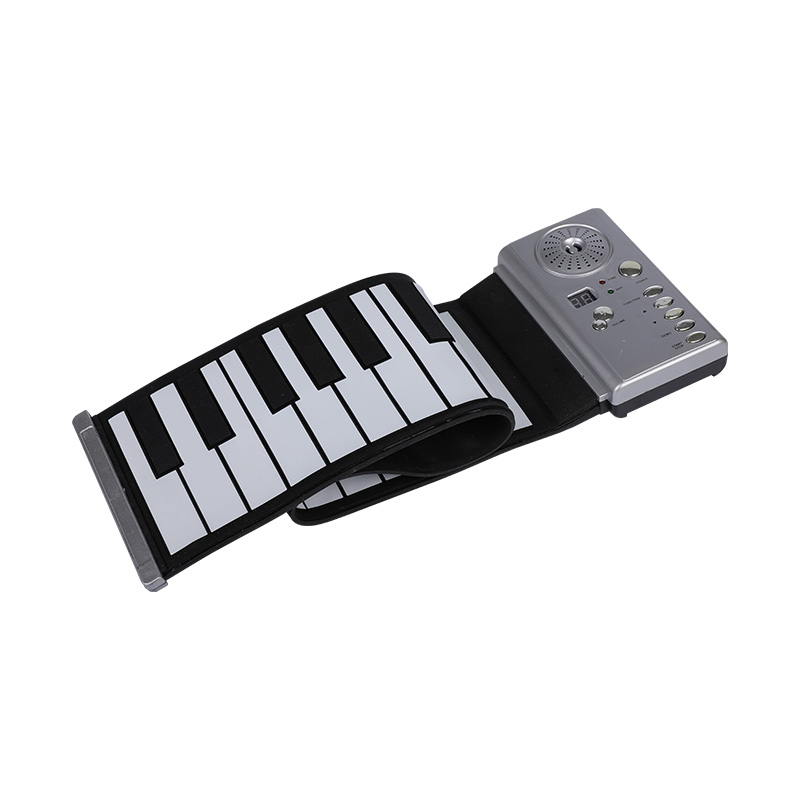
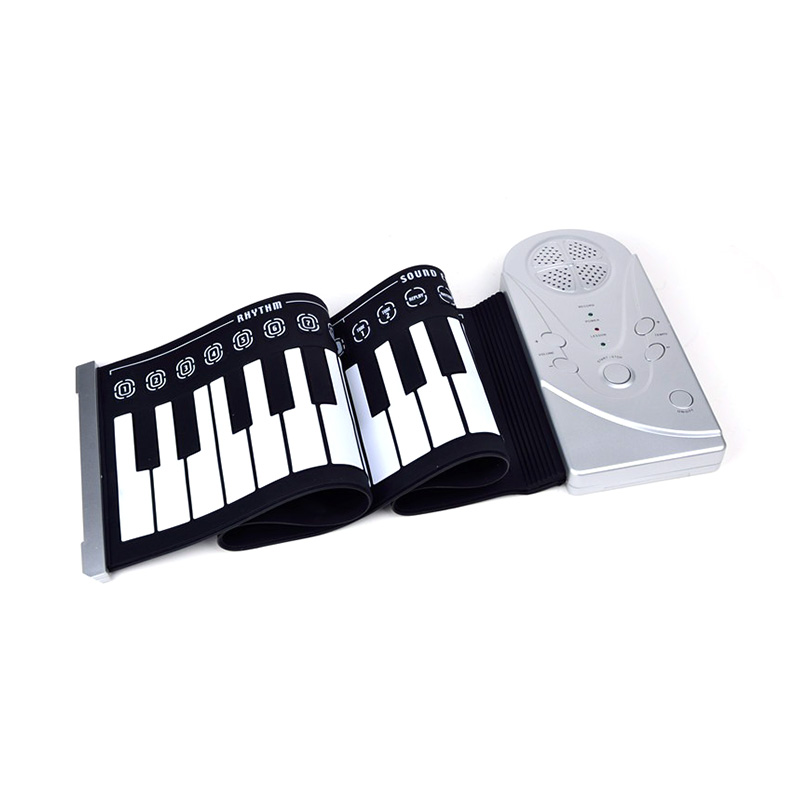
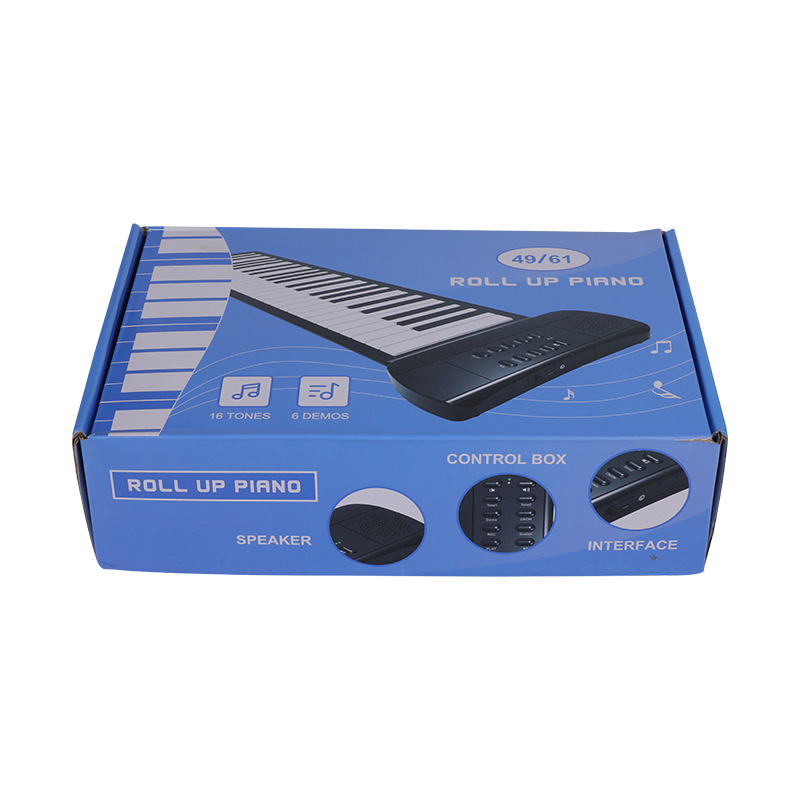



Why Do People Like Electronic Keyboards?
Electronic keyboards have become common instruments for beginners, hobbyists, and experienced musicians. Their popularity is based on practical features rather than exceptional claims. Several reasons explain why many people prefer electronic keyboards.
- Accessibility for beginners
Electronic keyboards are often easier to start with than traditional acoustic pianos. They usually have lighter keys, adjustable volume, and built-in learning functions. This allows beginners to practice without needing advanced technique or a dedicated practice space.
- Portability and space efficiency
Compared with upright or grand pianos, electronic keyboards are compact and lightweight. They can be placed on desks, stands, or shelves and moved easily between rooms or locations, which suits people with limited living space.
- Sound variety and functionality
Many electronic keyboards include multiple instrument sounds, rhythms, and basic accompaniment features. This allows users to explore different musical styles using a single device, which can support composition and casual experimentation.
- Volume control and headphone support
Electronic keyboards allow players to adjust volume levels or use headphones. This is practical for shared living environments, where noise control is necessary for daily routines.
- Lower overall cost and maintenance
In general, electronic keyboards require less ongoing maintenance than acoustic instruments. There is no need for tuning, and long-term upkeep costs are relatively predictable.
How to Clean a Portable Electric Keyboard
Regular cleaning of a portable electric keyboard helps maintain its appearance and functionality. Cleaning should always be done carefully to avoid damaging sensitive electronic components.
Before cleaning, the keyboard should be powered off and unplugged. If it uses batteries, removing them adds an extra level of safety. This step prevents accidental activation and reduces electrical risk.
For surface dust, a soft, dry microfiber cloth is usually sufficient. The cloth can be gently wiped across the keys, control panel, and casing. Dust tends to collect between keys, so light pressure and slow movements are recommended.
For more thorough cleaning, a slightly damp cloth may be used. The cloth should not be wet, as excess moisture can enter the keyboard and affect internal circuits. Plain water is typically sufficient; strong cleaning chemicals are not recommended. If needed, a small amount of mild soap diluted in water can be applied to the cloth, not directly to the keyboard.
A soft brush or compressed air can help remove debris from narrow gaps between keys. When using compressed air, short bursts at an angle are preferable to avoid forcing particles deeper inside.
After cleaning, the keyboard should be left to air-dry completely before reconnecting power. Regular light cleaning is generally more effective than infrequent deep cleaning and helps keep the keyboard in consistent working condition.
How often do folding electronic keyboards experience mechanical issues?
Folding keyboards include hinges and flexible connections, which are used repeatedly during setup and storage. Mechanical issues are not constant but may occur more frequently with heavy daily folding compared to fixed-frame keyboards. Proper handling reduces this risk.
How often does sound or key response degrade over time?
With regular use, key sensitivity and sound output generally remain stable. Over extended periods, especially in lower-cost models, some users report reduced responsiveness. This tends to develop gradually rather than suddenly.
How often do connection or power problems occur?
Issues related to charging ports, batteries, or cables can occur occasionally, particularly if the keyboard is frequently transported. Regular inspection of connectors and careful storage can reduce these occurrences.
How often does portability affect long-term durability?
Portability itself does not automatically reduce reliability, but frequent travel exposes the keyboard to impact, temperature changes, and pressure. Using protective cases and avoiding excessive force during folding helps maintain long-term functionality.