English
  Español
  Deutsch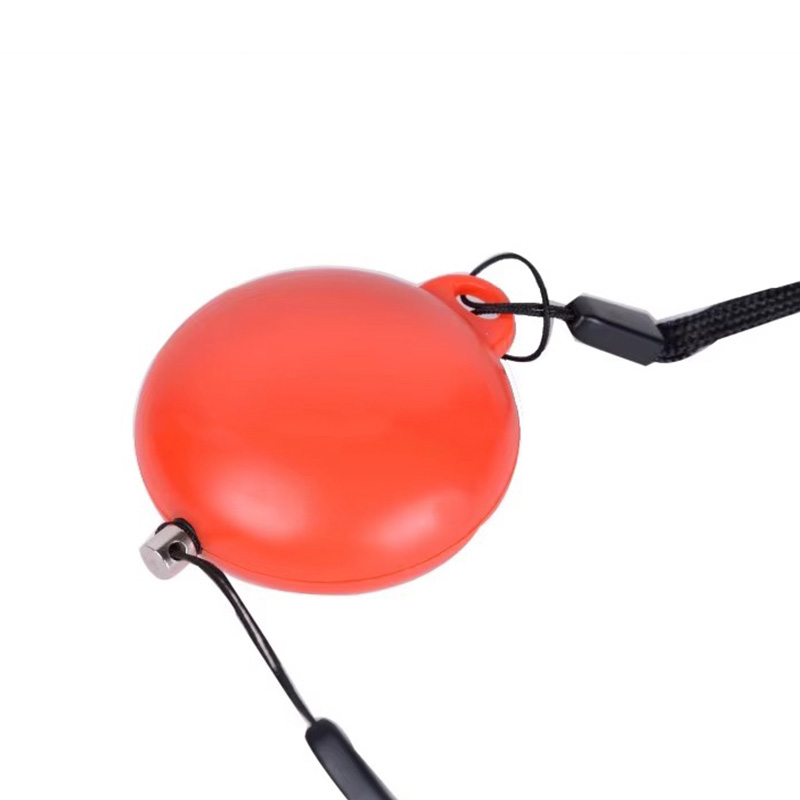



What Are the Main Functions of Personal Alarms?
Personal alarms are intended to support personal safety through straightforward and accessible functions. Their primary roles can be summarized as follows:
Attracting Attention in Emergencies
When activated, a personal alarm emits a loud sound, usually ranging from 100 to 140 decibels. This sound is designed to alert people nearby that assistance may be needed, particularly in situations such as falls, medical distress, or confrontations.
Deterrence Through Noise
Sudden loud noise can disrupt an unsafe situation. In some cases, the unexpected sound may discourage an individual engaging in unwanted behavior by increasing the likelihood of drawing attention.
Assisting Vulnerable Groups
Personal alarms are often used by children, older adults, and individuals with disabilities. For these users, the device serves as a simple way to signal for help when verbal communication is difficult or when mobility is limited.
Supporting Outdoor and Travel Safety
Joggers, hikers, and travelers may carry personal alarms as a precaution. In isolated environments, the sound can help rescuers or passersby locate someone who needs assistance.
Ease of Use
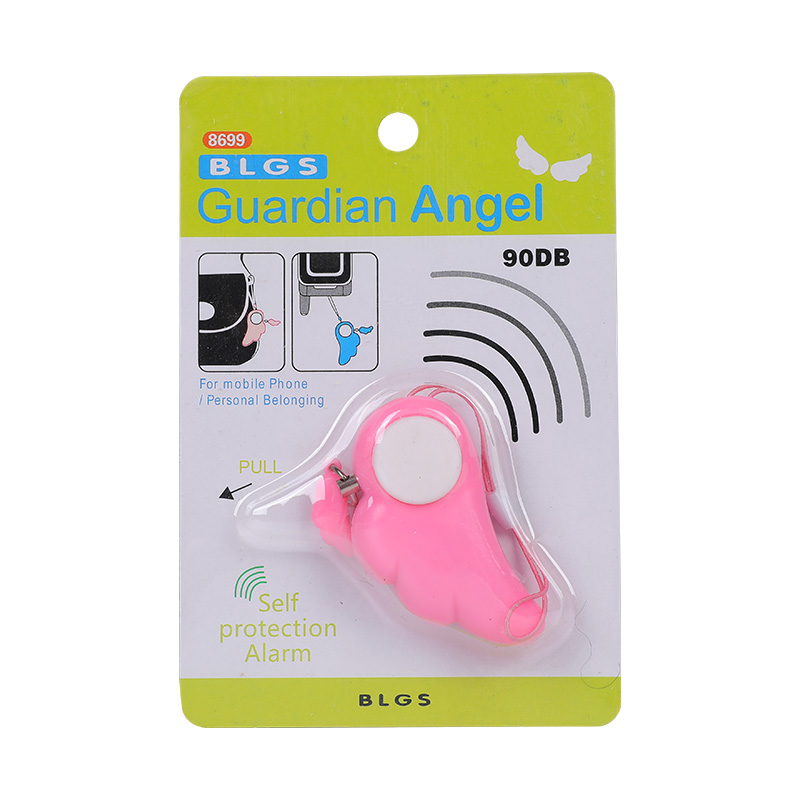
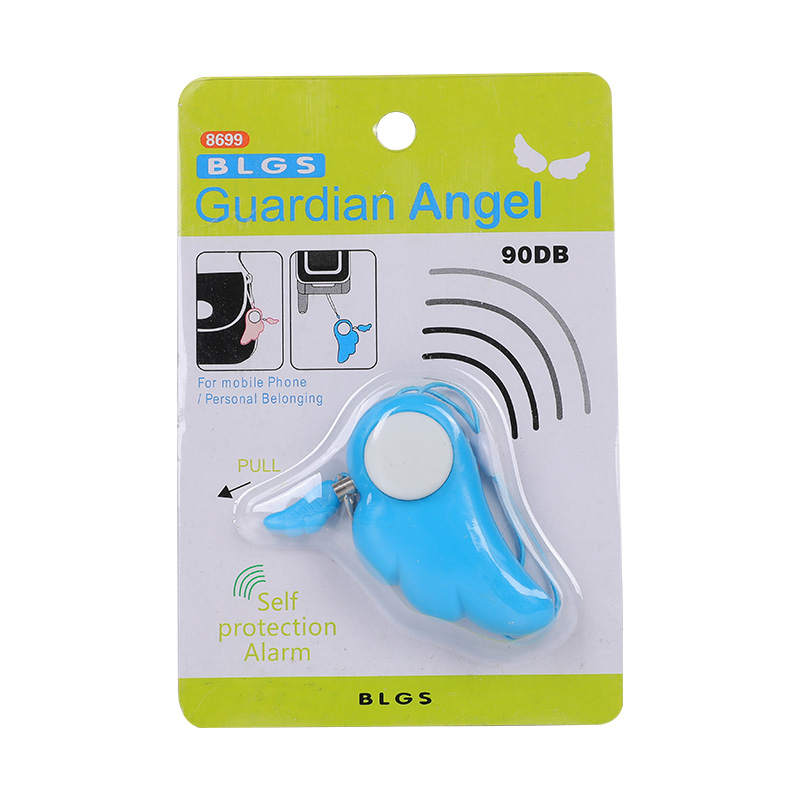
Many personal alarms operate through a pull-pin or single-button mechanism. This allows rapid activation without complex instructions, which is important during stressful situations.
Compact and Portable Design
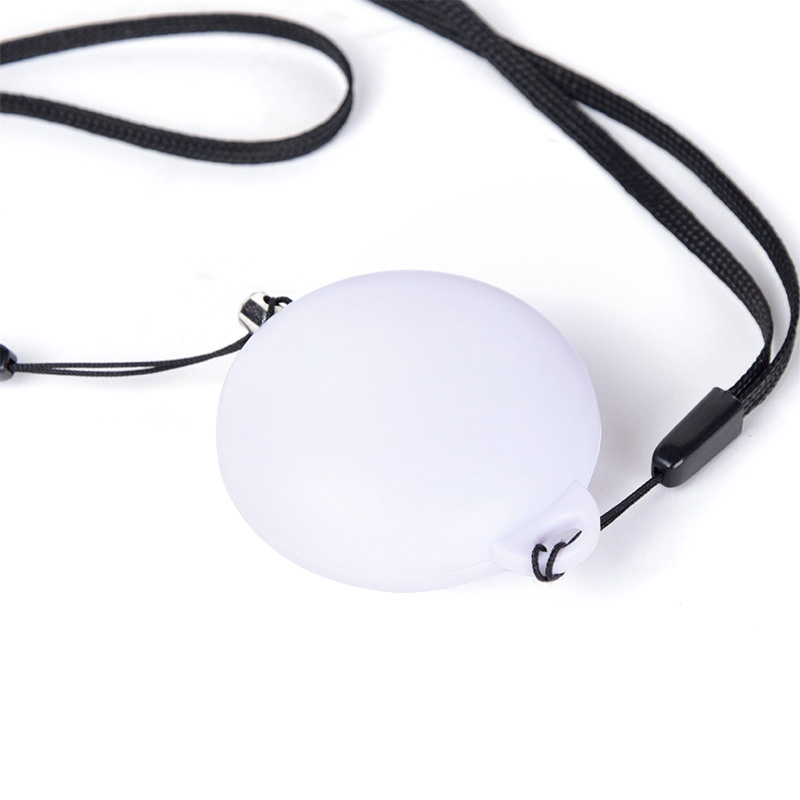
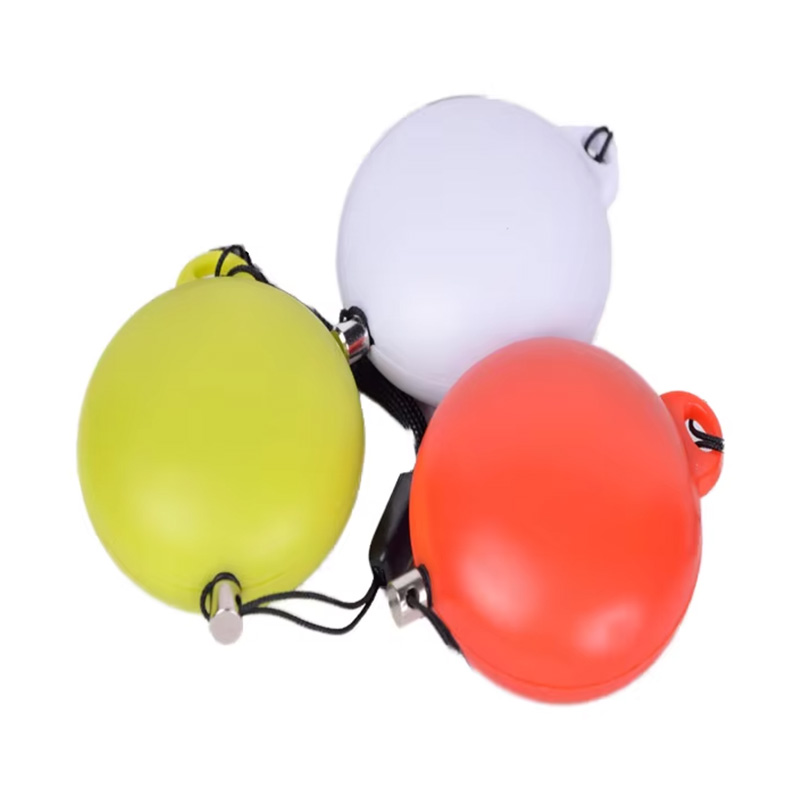
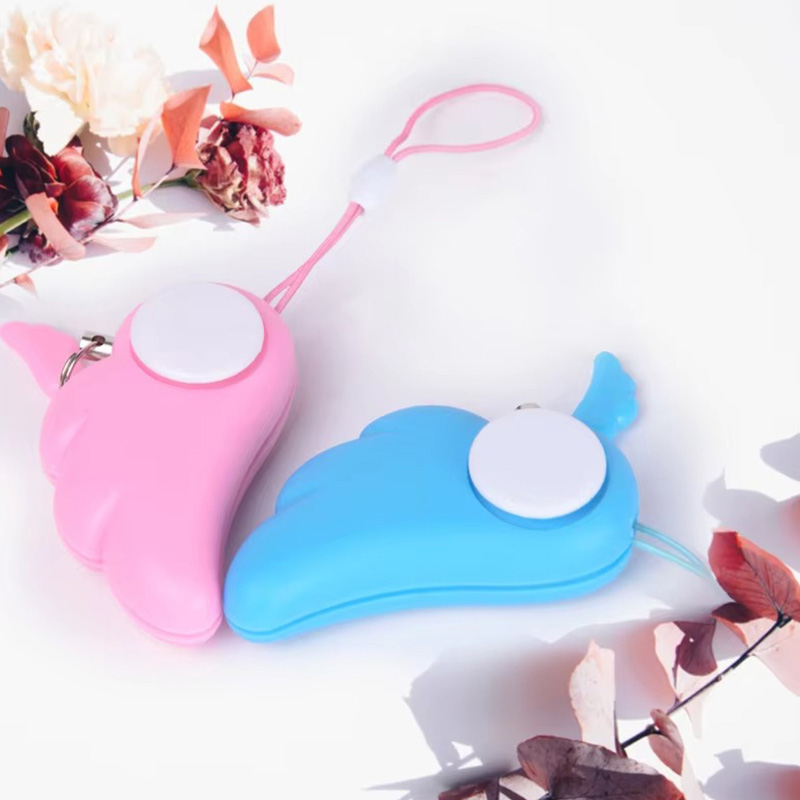
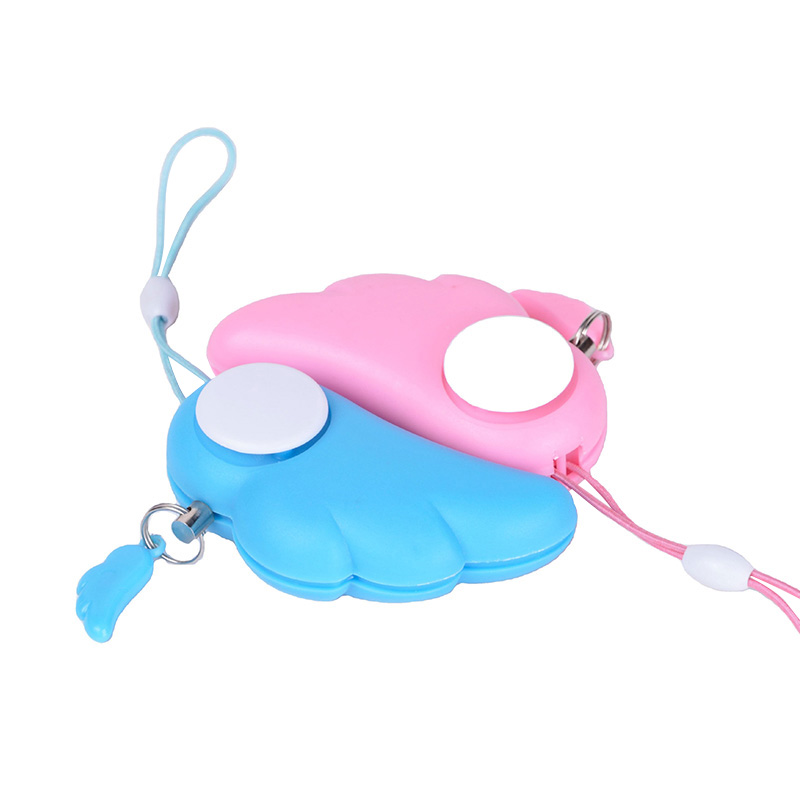
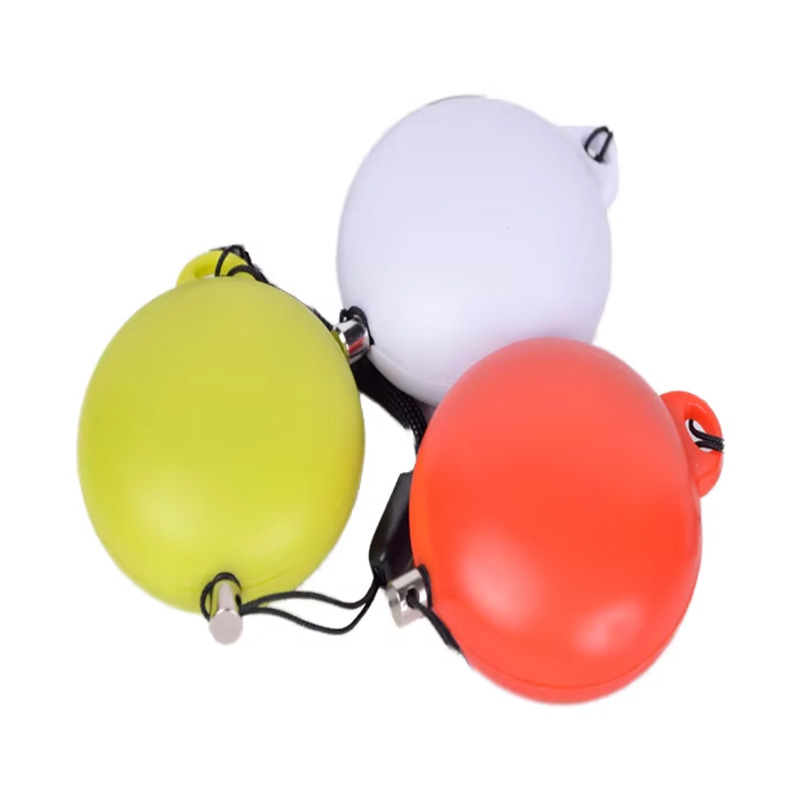
Personal alarms are generally small and lightweight. They can be attached to keys, bags, or clothing, making them easy to carry as part of daily routines.
Non-Physical Safety Option
Unlike defensive tools that require physical engagement, personal alarms rely solely on sound. This makes them accessible to users who prefer non-confrontational safety measures.
Personal Safety Alarm: Good Idea or Bad?
The usefulness of personal safety alarms depends largely on expectations and context. As a safety tool, they offer certain advantages but also clear limitations.
On the positive side, personal alarms are affordable and widely available. They do not require training, physical strength, or special permits. For many people, especially those who feel uneasy walking alone, carrying a personal alarm can provide a sense of preparedness. The loud sound can quickly draw attention, which may be helpful in public spaces such as parking lots, campuses, or residential areas.
However, personal alarms are not a comprehensive safety solution. Their effectiveness depends on the presence of others within hearing range and on the willingness of bystanders to respond. In crowded environments, alarm sounds may be ignored or mistaken for other noise. In isolated areas, there may be no one close enough to hear the alarm at all.
Carrying a personal alarm should not replace situational awareness or other safety practices. If users assume the device alone will ensure safety, they may underestimate risks or delay seeking additional help. Furthermore, alarms do not provide direct communication with emergency services unless integrated with other technology.
What Should We Pay Attention to in an Emergency Personal Alarm?
Sound Output and Reliability
The primary function of an emergency personal alarm is to produce sound. Users should pay attention to the alarm’s volume level and consistency. A sound that is too low may not be effective in outdoor or noisy environments. Reliability is equally important; the device should function properly after long periods of non-use and in varying conditions such as light rain or temperature changes.
Power Source and Maintenance
Many personal alarms are powered by replaceable or rechargeable batteries. Users should consider battery life and ease of replacement. An alarm that fails due to a depleted battery offers no protection. Regular testing and simple maintenance routines are necessary to ensure the device remains operational when needed.
Design and Ease of Access
In an emergency, speed matters. The alarm should be easy to activate without fine motor control or complicated steps. Attachment options, such as keyrings or clips, should allow the device to be reached quickly. Clear design and durable materials also contribute to effective use, especially for children or older adults.