English
  Español
  Deutsch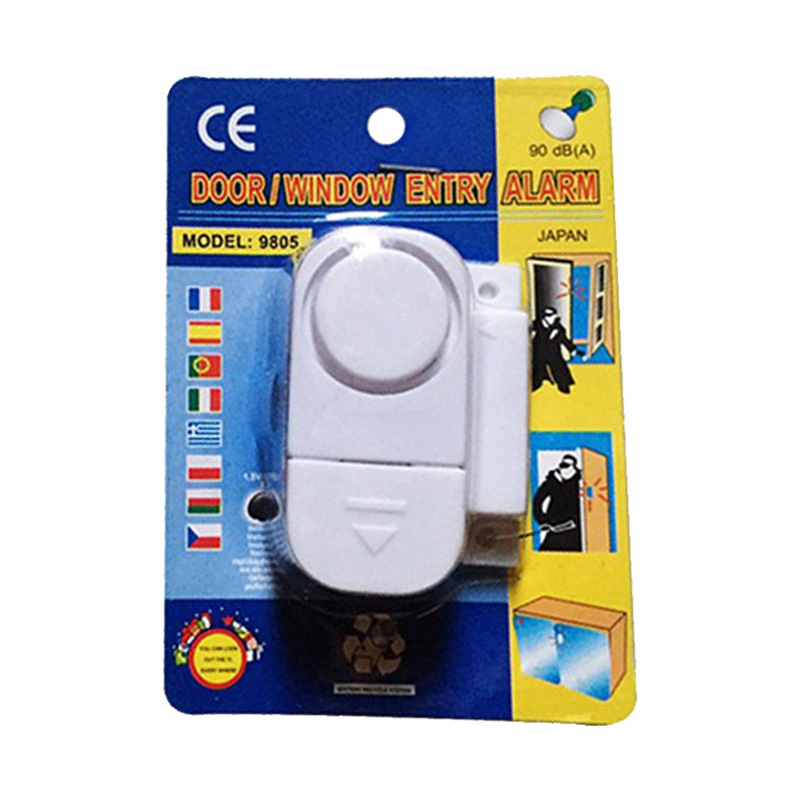
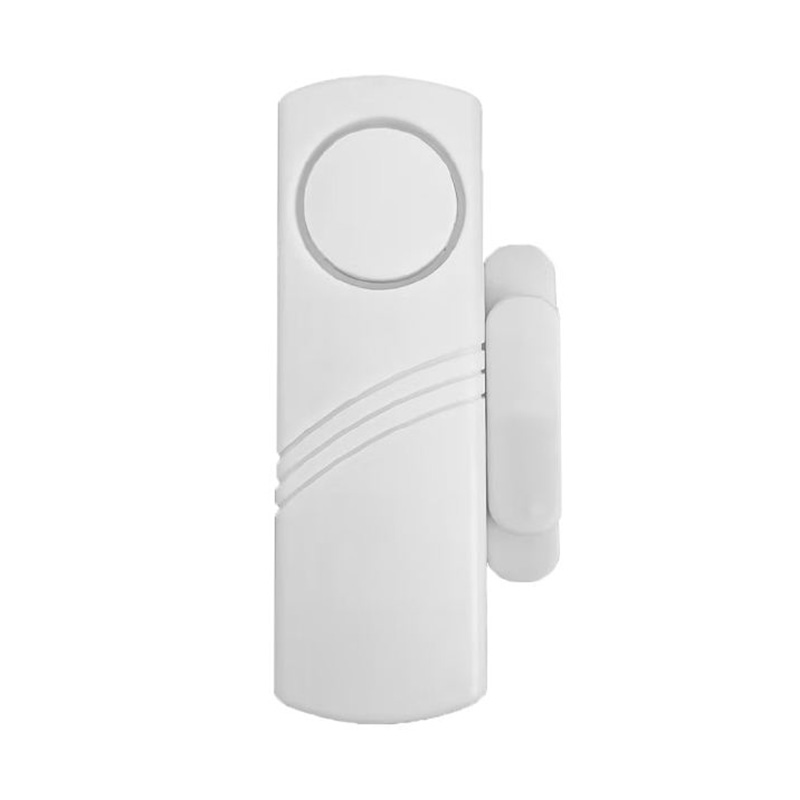
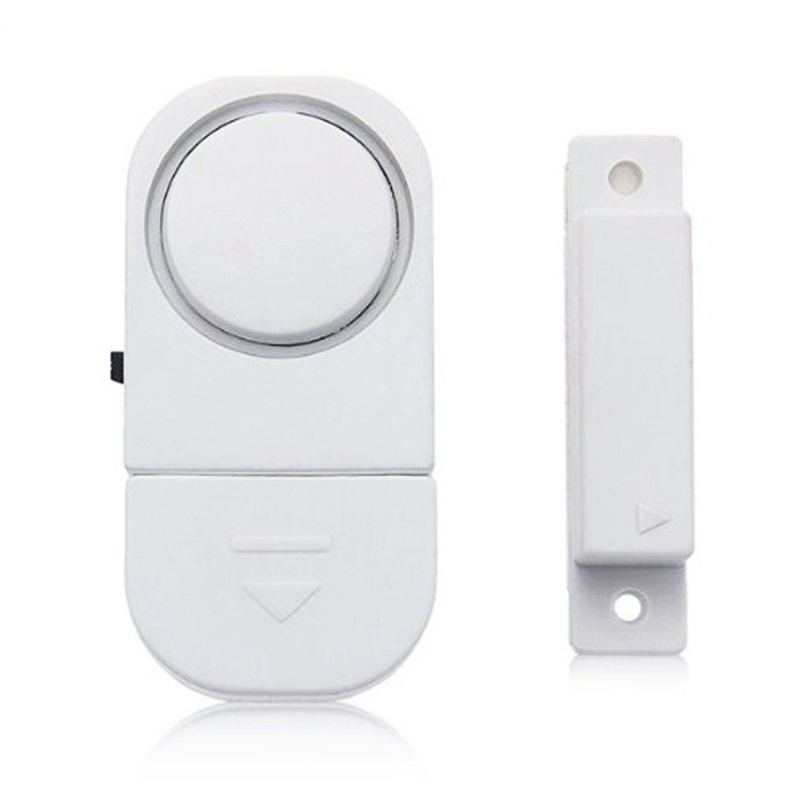
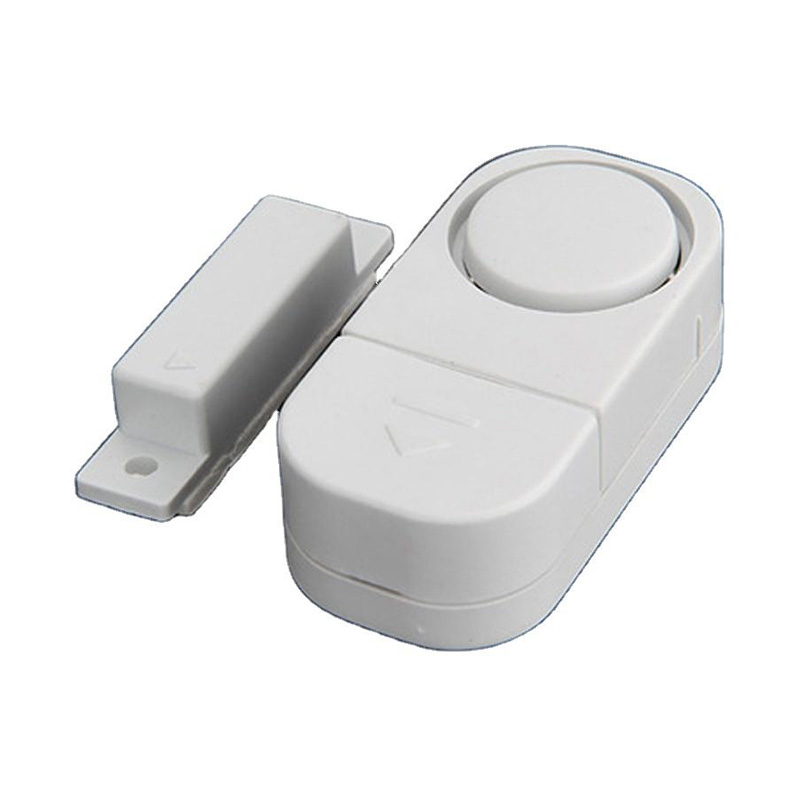
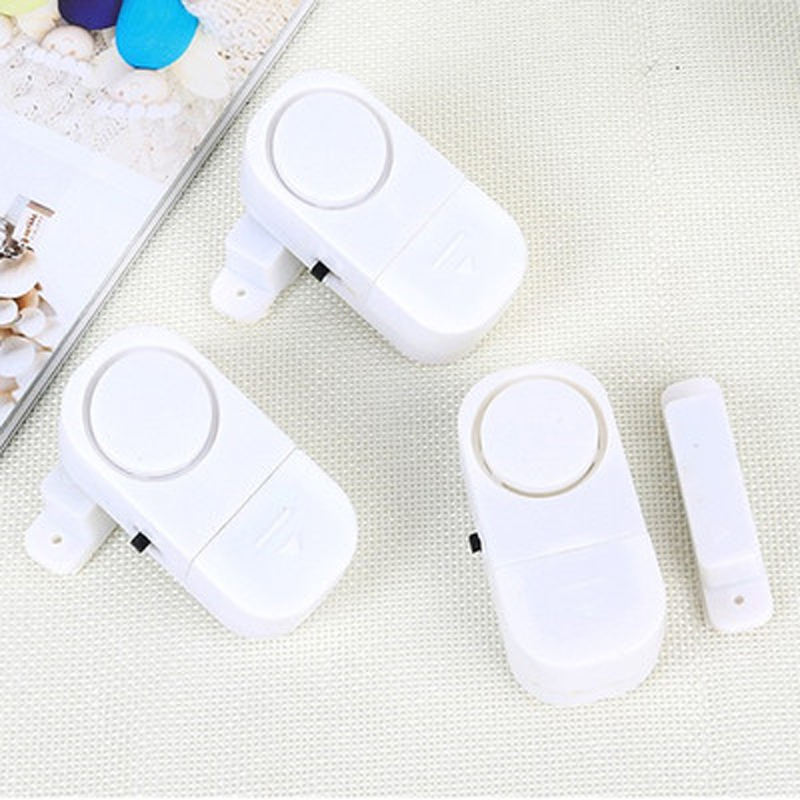



Are Door & Window Alarm Sensors easy to install?
The ease of installing door and window alarm sensors is generally high, particularly for wireless, adhesive-mounted models designed for do-it-yourself applications. The process typically involves minimal tools and no complex wiring. A standard sensor system consists of two compact components: a sensor unit and a magnet. The installation procedure follows a logical sequence. The positions for both parts are determined on the door or window frame and the moving sash or door itself, ensuring they align closely when the opening is closed. The surfaces are cleaned with an alcohol wipe, which is often provided. The adhesive backing is then removed, and both components are pressed firmly into place. Following this, the sensor is paired with the central alarm system hub, usually by entering a programming mode on the hub and then activating the sensor. The entire process for a single opening can often be completed in a few minutes.
However, several factors can influence the simplicity of installation. The material of the frame is one consideration; very uneven surfaces, such as heavily textured wood or brick, may not provide a secure bond for adhesive strips, potentially requiring alternative mounting with screws. For wired systems, which are often part of professionally installed security packages, the process is inherently more involved, as it requires running concealed wires back to the control panel and may involve drilling and basic electrical knowledge. The ease of integrating the sensor with the broader system can vary; while modern wireless systems use straightforward automatic pairing, some may require code entry or app-based configuration, adding steps but not significant complexity.
Door and Motion Sensors
Door and motion sensors serve complementary roles in a layered security strategy, each detecting intrusion through different methods.
- Door/Window Contact Sensors: These are perimeter detection devices. They operate using a reed switch mechanism, where a magnet is placed on the moving door or window and the sensor body containing the switch is placed on the frame. When the opening is closed, the magnet holds the switch closed, indicating a secure state. When the opening is breached, the magnet moves away, the switch opens, and this change in the circuit triggers an alert to the control panel. Their function is binary, reporting only whether the protected point is open or closed.
- Passive Infrared (PIR) Motion Sensors: These are interior space detection devices. They do not emit energy but instead passively read infrared radiation (heat) in a room. Their internal optics are divided into multiple zones. An alarm condition is triggered when a heat source, such as a human body, moves across multiple zones within the sensor’s field of view, causing a rapid change in the infrared signature. They are designed to ignore slower, generalized temperature changes, such as sunlight warming a floor.
- Dual-Technology Motion Sensors: To reduce false alarms, these sensors combine PIR with another technology, typically microwave. The microwave component emits low-power radio waves and detects changes in their reflection pattern caused by movement. An alarm is only sent when both the PIR and microwave elements detect activity simultaneously, making the sensor less likely to be triggered by environmental factors like a curtain moving in a breeze, which might affect only one sensing method.
- Recent developments in door and window sensors focus on enhanced functionality, integration, and user experience, moving beyond basic open/closed alerts.
Q: Can these sensors do more than just signal an alarm?
A: Yes. Modern sensors increasingly offer state-of-use data. By tracking the time and duration of openings, they can provide activity logs accessible via a smartphone app. This can be used for non-security purposes, such as monitoring if a child arrived home from school, checking whether a pet door was used, or receiving an alert if a door is left ajar for an extended period, which is a common oversight.
Q: How are they becoming part of a smarter home?
A: Sensors are now common triggers for home automation routines. This integration is a significant trend. For example, a door contact sensor can be programmed to turn on interior lights when the door is opened after sunset, or a window sensor can signal a smart thermostat to adjust the HVAC if it detects a window has been opened for ventilation. This transforms them from simple security components into contributors to home efficiency and convenience.
Q: What improvements are being made in reliability and power?
A: Two areas of focus are communication and battery life. To improve reliability, many new sensors now use mesh networking protocols, where each device helps relay signals from others back to the hub, strengthening whole-home coverage. Regarding power, the industry standard is moving toward lithium batteries with operational lifespans of three to five years or more, coupled with improved low-energy electronics and more precise battery level reporting through the system's app, reducing maintenance concerns.