English
  Español
  Deutsch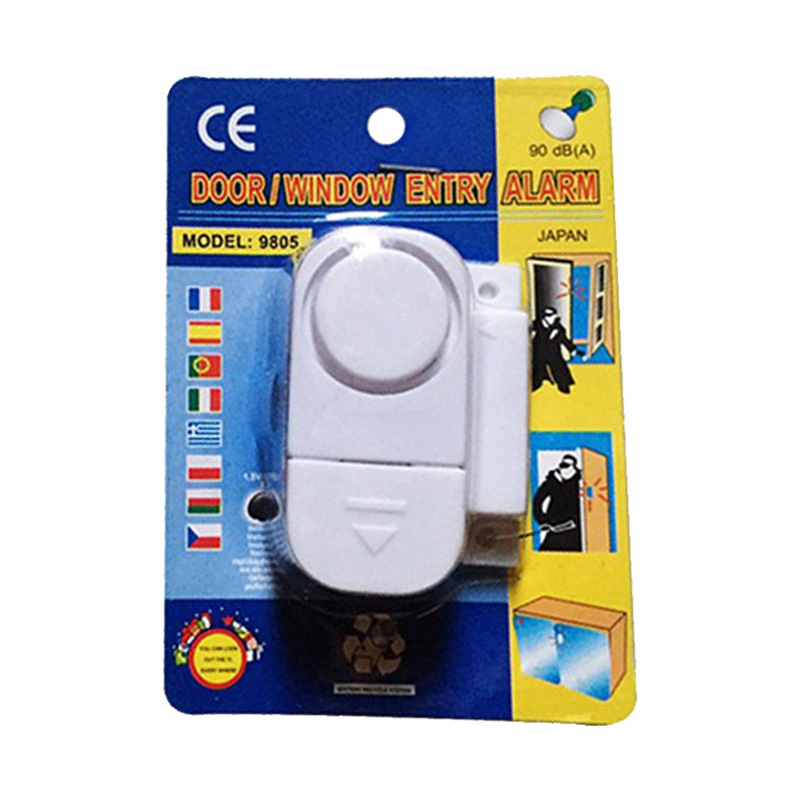
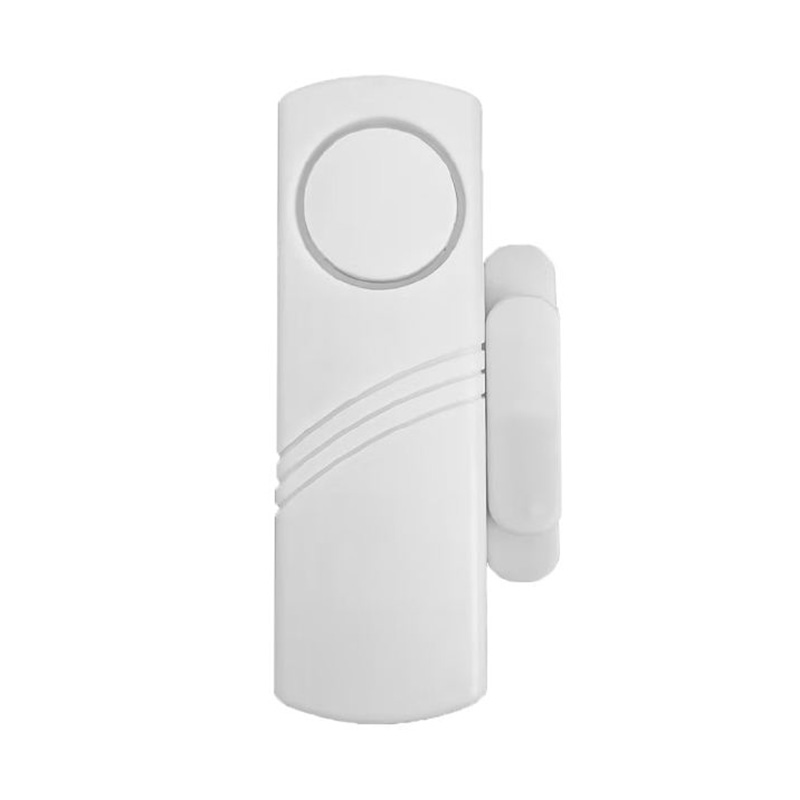
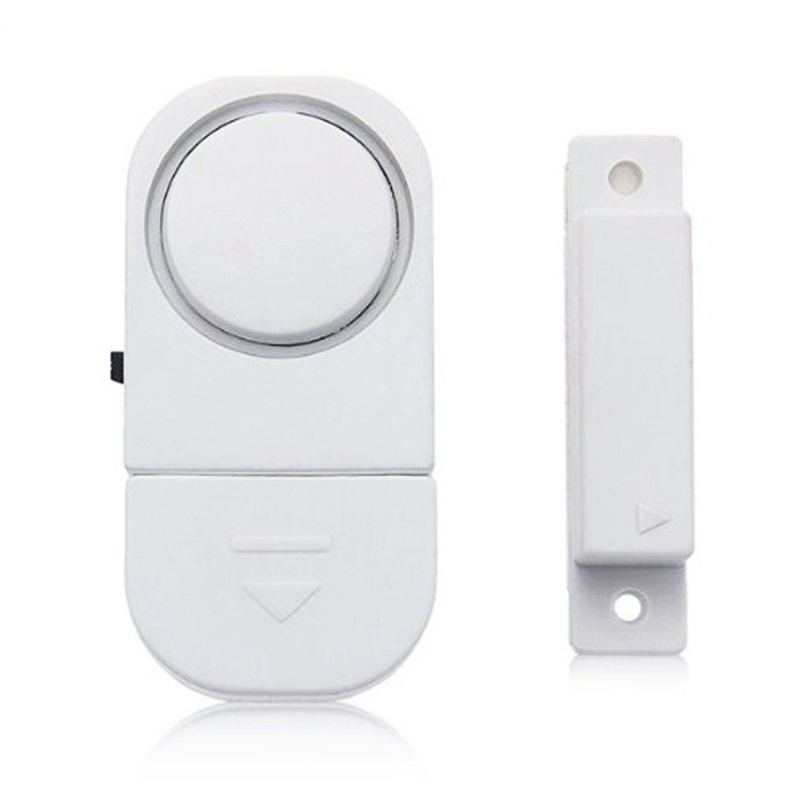
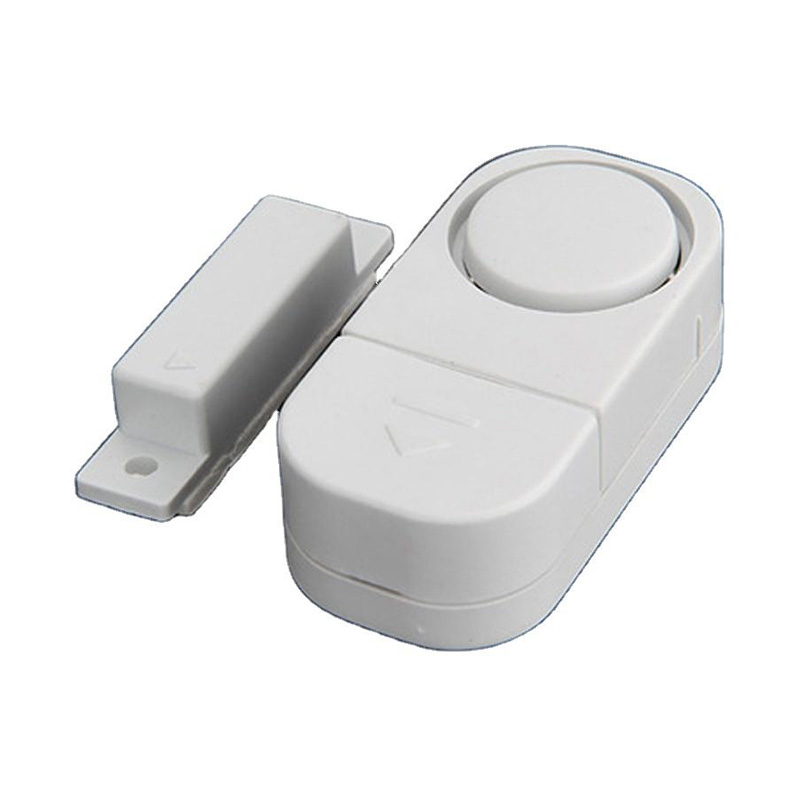
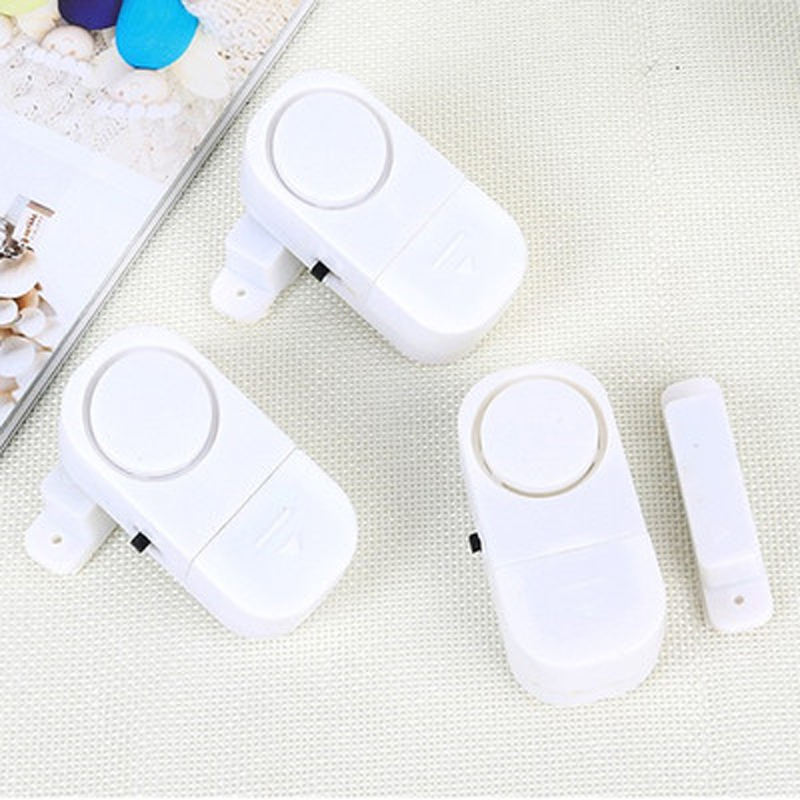



What are the different types of Alarms & Sensors?
Alarms and sensors can be categorized by their primary function and detection method. Intrusion Sensors are designed to detect unauthorized entry; this category includes door/window contact sensors that use a magnetic reed switch to signal when an opening is breached, and motion sensors, typically employing passive infrared (PIR) technology to identify body heat movement within a protected space. Environmental Sensors monitor conditions not directly related to intrusion but critical to safety. These encompass smoke and heat detectors, which identify particles from combustion or rapid temperature increases; carbon monoxide detectors, which sense the presence of the odorless gas; and water leak sensors, which use conductive probes to detect pooling water. Perimeter and Audible Alarms function as deterrents and alerts. Outdoor security cameras act as a visual perimeter sensor and deterrent, while indoor and outdoor sirens produce a loud audible alarm to scare off intruders and notify occupants and neighbors of a breach. Control and Communication Hubs are not sensors per se but are central to system operation; the control panel arms and disarms the system, and communicators, either cellular or internet-based, transmit alarm signals to a monitoring center or user's smartphone, enabling remote management and alert notification.
Home Alarms & Sensors: Which Is Right for Us?
Selecting a home security system is not a one-size-fits-all endeavor. The correct configuration depends on a clear assessment of needs, property characteristics, and desired level of engagement. A structured approach focusing on three key areas can guide this decision.
Assessing Property Layout and Entry Points
The step is a thorough evaluation of the physical property. A single-story home with numerous ground-floor windows presents different risks than an upper-floor apartment with one main door. The fundamental principle is to secure all potential points of forced entry. For homes, this begins with contact sensors on all exterior doors and accessible windows. A motion sensor can then provide interior coverage for open-plan areas. For larger homes or those with multiple floors, a combination of perimeter sensors on every entry point and strategically placed motion sensors to cover stairwells and hallways is often recommended.
Balancing Core Protection with Environmental Monitoring
While intrusion prevention is the primary goal, a comprehensive system also addresses other household hazards. Core protection for any dwelling includes smoke detectors, which are often legally required, and carbon monoxide detectors if fuel-burning appliances are present. From this foundation, homeowners can add sensors based on specific concerns. Those in flood-prone areas or with basements housing water heaters may prioritize leak sensors. Households with elderly residents might consider medical alert pendants or fall detection sensors as integrated components. This layered approach ensures the system protects against both theft and domestic accidents.
Choosing Between Professional and Self-Monitored Solutions
The final consideration involves system management and response. Professionally monitored systems are connected to a central station that contacts emergency services when an alarm is triggered, providing continuous coverage even when occupants are away or unable to respond. This service involves a monthly fee. Self-monitored (or DIY) systems send alerts directly to the homeowner's smartphone via an app, placing the responsibility to call for help on the user. These systems typically have lower or no monthly fees but require user vigilance. The choice hinges on personal preference for convenience, budget for ongoing costs, and confidence in one's ability to respond promptly to alerts at any time.
What are the recent hot topics regarding Home Security Systems & Alarm Systems?
Recent advancements in home security are characterized by integration, intelligence, and user-centric design. A dominant trend is the move toward unified smart home ecosystems. Security devices are no longer isolated; they are components within a broader network. For instance, a doorbell camera with motion detection can be programmed to turn on the porch light and send a video clip to a homeowner's phone when someone approaches. Similarly, a smoke alarm triggering at night can be set to turn on all smart lights in the house to illuminate an escape path.
This moves systems beyond simple motion alerts to more accurate event identification. Modern video doorbells and security cameras increasingly feature package detection, distinguishing a delivered parcel from a passing car and sending a specific alert. Some outdoor cameras can differentiate between a person, a vehicle, and an animal, drastically reducing false alarms caused by pets or foliage movement. This intelligent filtering makes systems more reliable and their alerts more actionable for the user.