English
  Español
  Deutsch
 Daily routines often take people through different environments. A short walk to a parking area, an evening trip home, outdoor exercise, or waiting for public transportation can all place someone in situations where quick access to an emergency alert becomes useful. Personal safety products are designed to provide an additional way to draw attention when unexpected situations occur rather than replace awareness or careful decision-making.
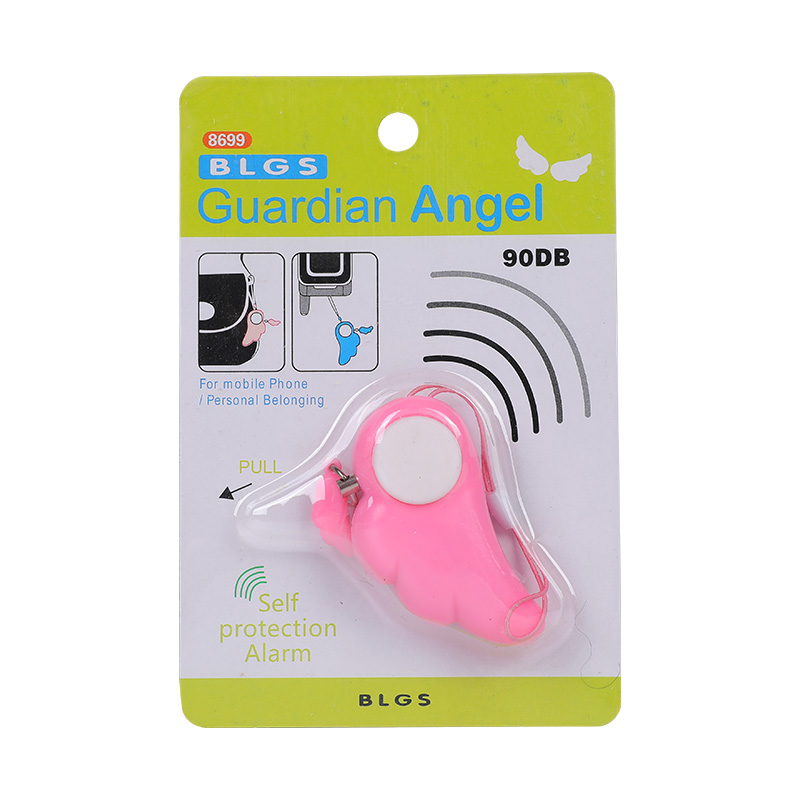
A Safety Siren Keychain is one example of a portable emergency alert device. Its small size allows it to stay with everyday items such as keys or a bag, making it easy to reach without carrying additional equipment. Convenience is one reason why this type of product has become part of many daily carry arrangements.
Unlike communication devices that depend on network coverage, a portable alarm works by producing an audible warning immediately after activation. Nearby people may notice the sound, while the user gains another method of responding to an uncomfortable situation.
Different environments create different safety considerations. Busy streets, quiet walkways, parking structures, parks, and public buildings all have their own characteristics. Carrying a compact alert device does not remove risk, although it can become one element within a broader personal safety plan.
Practical preparation often includes several habits:
- keeping personal items easy to reach
- paying attention to surrounding conditions
- choosing familiar travel routes whenever possible
- checking emergency equipment regularly
A portable alarm is intended to support awareness instead of replacing it. Everyday habits continue to play an important role in personal safety.
What Is A Safety Siren Keychain
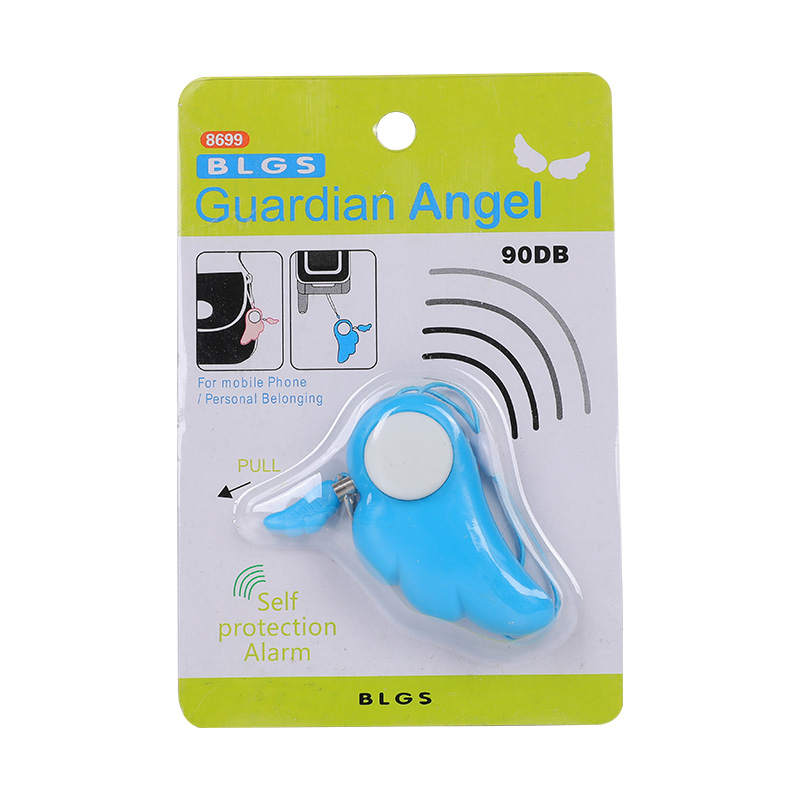
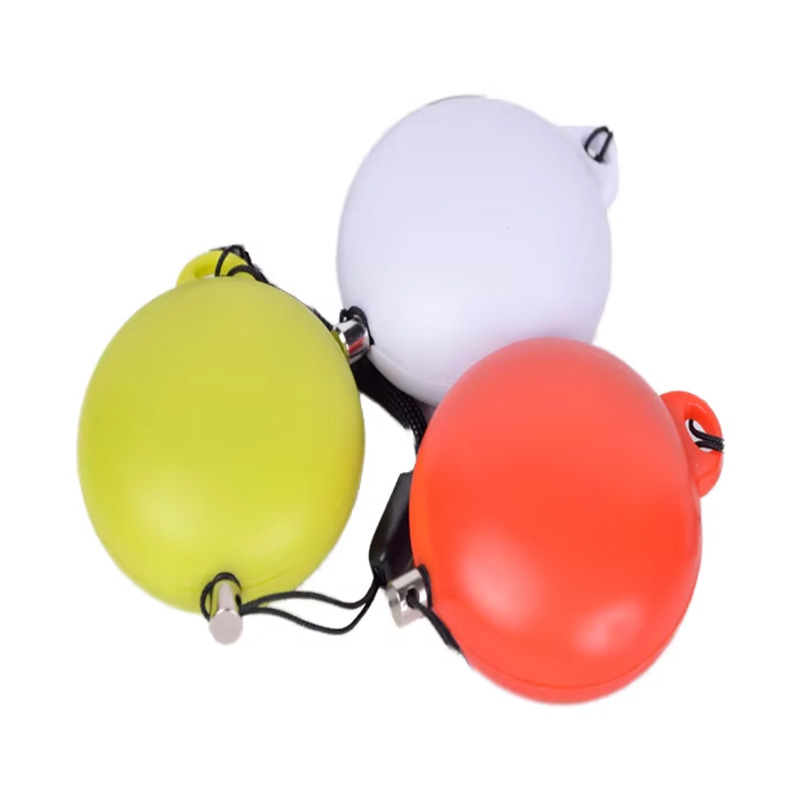
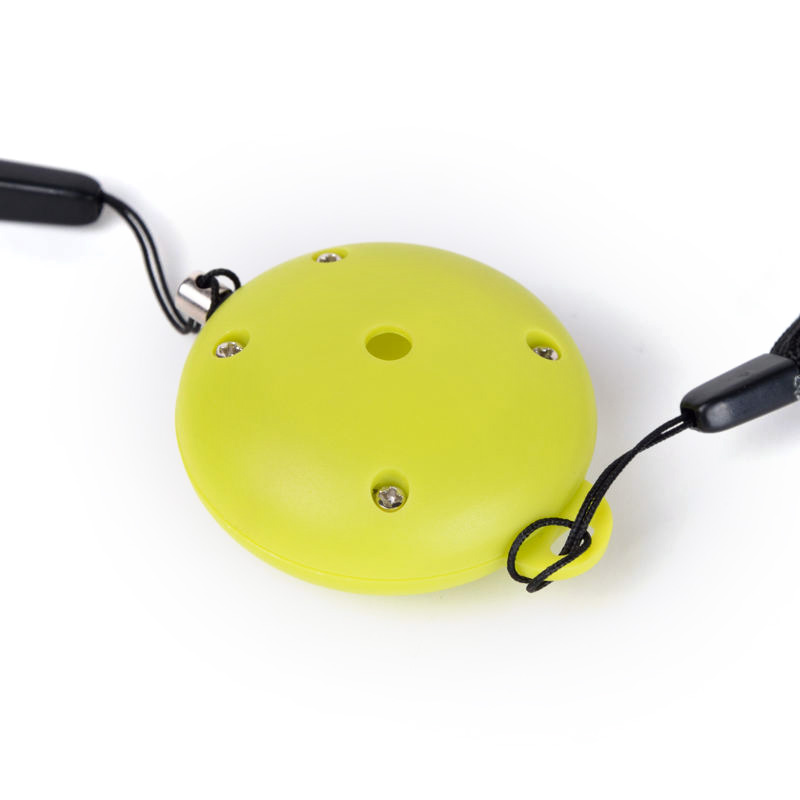
A Safety Siren Keychain is a compact alarm designed to produce a loud warning sound after simple manual activation. Its main purpose is to attract nearby attention during situations where immediate assistance may be helpful.
Although different products vary in appearance, the general structure remains similar. A small housing protects the internal parts, while an activation mechanism starts the alarm. A battery supplies electrical power, and an electronic circuit directs energy to the siren unit.
Many models are designed to attach directly to everyday belongings, allowing users to carry the alarm without changing daily habits. A key ring, clip, or strap helps secure the device to keys, backpacks, handbags, or other personal items.
Several parts work together inside a compact body:
- protective housing
- battery
- activation mechanism
- electronic circuit
- sound-producing unit
- attachment ring
Compact size does not change the basic operating idea. Once activated, electrical power flows through the internal circuit and reaches the siren unit, allowing the warning sound to begin almost immediately.
Simple operation is often an important design consideration. During an unexpected event, complicated steps may become difficult to remember. A straightforward activation method helps reduce unnecessary delay.
Carrying location also affects practical use. An alarm stored where it cannot be reached quickly may provide less assistance than one attached to frequently used personal items.
How Does A Safety Siren Keychain Function During An Emergency
Operation begins when the user activates the device. Depending on the design, activation may involve pulling a pin, pressing a button, or moving a switch. Each method follows the same basic purpose: connecting the internal power source with the electronic circuit.
Once activated, electricity reaches the siren unit through the circuit board. The sound-producing component converts electrical energy into a loud warning tone intended to attract attention from nearby people.
Operation follows a simple sequence.
- User activates the alarm.
- Battery supplies electrical power.
- Electronic circuit transfers the signal.
- Siren begins producing sound.
- Alarm continues until the device is turned off or reset.
Quick operation is important because unexpected situations often develop without much warning. A simple activation process allows users to focus on moving toward a safer location rather than spending time operating the device.
The warning sound is not designed to solve an emergency by itself. Instead, it provides another way to make surrounding people aware that assistance may be needed.
Personal alarm devices work independently of mobile communication networks, making them suitable for locations where signal strength is limited or where reaching a phone immediately may not be convenient.
Ease of use also reduces the possibility of confusion during stressful moments. A clear operating method can make the device more practical during daily carrying.
What Components Work Together Inside The Device
Every portable alarm contains several basic parts that perform different tasks. Although the outside appears simple, normal operation depends on cooperation between multiple internal components.
| Component | Main Function |
|---|---|
| Battery | Supplies electrical power |
| Activation Mechanism | Starts alarm operation |
| Electronic Circuit | Directs electrical flow |
| Siren Unit | Produces warning sound |
| Housing | Protects internal components |
The battery provides energy for the alarm. Without a reliable power source, the device cannot operate when needed.
The activation mechanism creates the starting point of the working process. Once triggered, power moves through the electronic circuit toward the siren.
The electronic circuit manages electrical flow between different parts. Although users rarely see this section, it connects the battery and sound unit into one working system.
The siren transforms electrical energy into sound. Its purpose is straightforward: produce an audible alert that nearby people can notice.
Housing protects all internal parts from daily contact during carrying and storage. Since portable alarms often remain inside bags or pockets, protection against normal wear becomes an important part of product design.
Small devices rely on cooperation between every component rather than one individual part. Regular inspection of battery condition and external appearance helps maintain normal operation over time.
Where Can A Safety Siren Keychain Be Useful
Everyday life brings people into many different places. A short walk after work, a trip through a parking garage, waiting for public transport, or spending time outdoors can all create situations where a simple emergency alert device may be worth carrying.
A Safety Siren Keychain is designed for moments when attracting attention quickly becomes more important than searching for a phone or another item. Since it is often attached to keys or a bag, reaching it usually requires very little movement.
Parking areas are one example. People often carry keys in their hands while approaching a vehicle, making the alarm easy to access without changing normal habits.
Public transport stations are another setting where some people choose to carry personal alarms. Passenger numbers change throughout the day, and surrounding conditions can become quieter during certain periods. Keeping an alarm within easy reach provides another option when immediate attention is needed.
Outdoor activities create different situations. Walking paths, parks, and open recreation areas sometimes leave greater distances between people. An audible signal may help make nearby individuals aware that someone is asking for attention.
Some people also keep a portable alarm available during:
- evening walks
- jogging or light exercise
- entering apartment buildings
- walking across large public areas
- travelling alone
Every environment is different, so carrying an alarm should be viewed as one part of personal preparation rather than a complete safety solution. Remaining aware of nearby activity and making sensible decisions continue to be important during daily travel.
What Should Be Considered When Choosing A Safety Siren Keychain
Many portable alarms look similar at a glance, although small design details can influence everyday use.
Operation is often one of the practical points to examine. During an unexpected situation, users may not have enough time to remember several operating steps. A simple activation method can make the device easier to use when quick action becomes necessary.
Carrying comfort also deserves attention. Since the alarm may remain attached to personal belongings throughout the day, its size and shape should fit naturally with regular habits.
Several practical points are commonly considered:
- activation method
- battery maintenance
- carrying method
- housing structure
- everyday accessibility
Battery maintenance is another everyday consideration. Some products allow battery replacement, while others use rechargeable power. Knowing how power is maintained helps reduce the chance of finding the device unavailable when it is needed.
The way the alarm attaches to personal belongings also affects convenience. Key rings, clips, and straps each suit different carrying preferences.
A compact emergency alarm is intended to stay nearby during normal activities. Choosing a design that matches everyday routines often makes carrying it feel more natural.
How Can Users Keep The Device Ready For Daily Use
A portable alarm requires only simple care, although regular attention helps keep it ready for use.
Checking operation occasionally allows users to confirm that the alarm still responds normally. A brief test can reveal battery problems before an unexpected situation occurs.
Battery condition changes gradually over time, even when the alarm is rarely used. Looking at battery status from time to time helps avoid unnecessary surprises.
Storage conditions also influence long-term use. Keeping the device in a dry place and avoiding unnecessary impact can help protect the outer housing and internal components.
Useful habits include:
- checking battery condition regularly
- testing operation occasionally
- keeping the housing clean
- attaching the alarm where it remains easy to reach
- avoiding accidental activation during storage
Accessibility deserves as much attention as maintenance. An alarm attached to frequently used belongings is generally easier to reach than one stored beneath many other items inside a bag.
Small routine checks take very little time and can help maintain normal operation.
What Are Common Misunderstandings About Personal Alarm Devices
Personal alarms are sometimes expected to do more than they are designed to do.
One misunderstanding is believing that the alarm alone can solve every emergency. Its purpose is much simpler. The device creates a loud warning sound that may encourage nearby people to notice the situation.
Another misunderstanding is treating the alarm as protective equipment. A Safety Siren Keychain is intended to provide an audible alert rather than physical protection.
Some people also assume that carrying an alarm removes the need for personal awareness. Everyday habits remain important, including paying attention to surroundings, choosing suitable routes, and preparing for different situations before leaving home.
Understanding the intended role of the device helps users develop more realistic expectations and use it in a practical way.
Why Does Product Design Matter For Portable Emergency Alerts
Portable emergency products are carried far more often than they are used. Because of that, design affects daily convenience as much as emergency operation.
A compact shape allows the alarm to stay with keys, bags, or backpacks without adding much bulk. A product that fits naturally into everyday routines is more likely to remain within reach.
Simple operation is another important consideration. Unexpected situations often leave little time for complicated actions. Clear activation allows users to react without spending unnecessary time thinking about the operating method.
The outer housing also plays an important role. During daily carrying, the alarm may come into contact with keys, coins, bags, and other personal belongings. A suitable housing helps protect the internal parts during ordinary use.
Design often balances several practical considerations:
- compact size
- comfortable carrying
- straightforward operation
- protected internal structure
- convenient attachment
No single feature determines whether a portable alarm is practical. Daily carrying habits, regular maintenance, and familiarity with its operation all contribute to how well the device fits everyday life.
A Safety Siren Keychain is designed to remain available when needed. Keeping it accessible, checking it occasionally, and understanding its intended purpose help make it a useful part of everyday personal preparation without changing normal daily routines.