English
  Español
  Deutsch
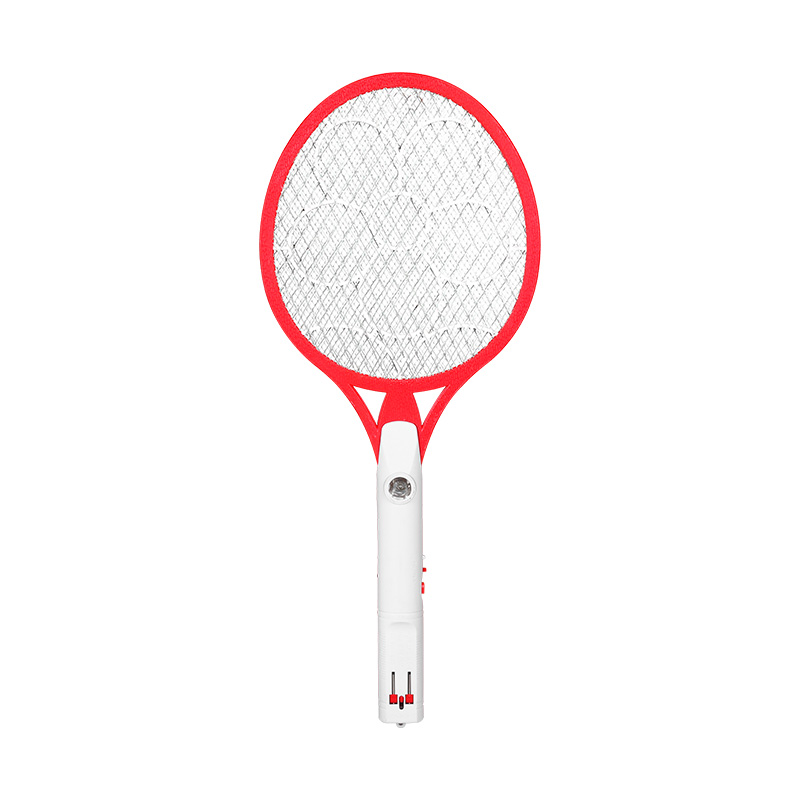
 A Battery Operated Mosquito Swatter is meant for quick pest control in daily spaces such as bedrooms, kitchens, balconies, and storage areas. Even with a simple structure, safety still plays a large role in how the product is used and handled. People often reach for it in a hurry, hold it for longer than planned, or store it in places where children and family members may come near it. In that setting, mesh design becomes more than a functional part of the tool. It also works as a safety barrier.
Accidental contact risk usually appears in ordinary use rather than in rare situations. A hand may slide forward while swinging the swatter. Fingers may touch the wrong area during cleaning. A user may place the swatter down in a way that leaves part of the mesh exposed. Once the design ignores those moments, small mistakes can turn into avoidable discomfort. For that reason, a careful mesh layout can support safer use without making the tool harder to operate.
Safety in household pest control often depends on small structural choices.
- A clear separation between gripping area and working area
- A stable outer frame around the mesh
- A shape that guides the hand away from the contact zone
When those elements work together, the swatter feels more natural to hold and less likely to cause accidental touch.
How The Mesh Structure Works In A Battery Operated Mosquito Swatter
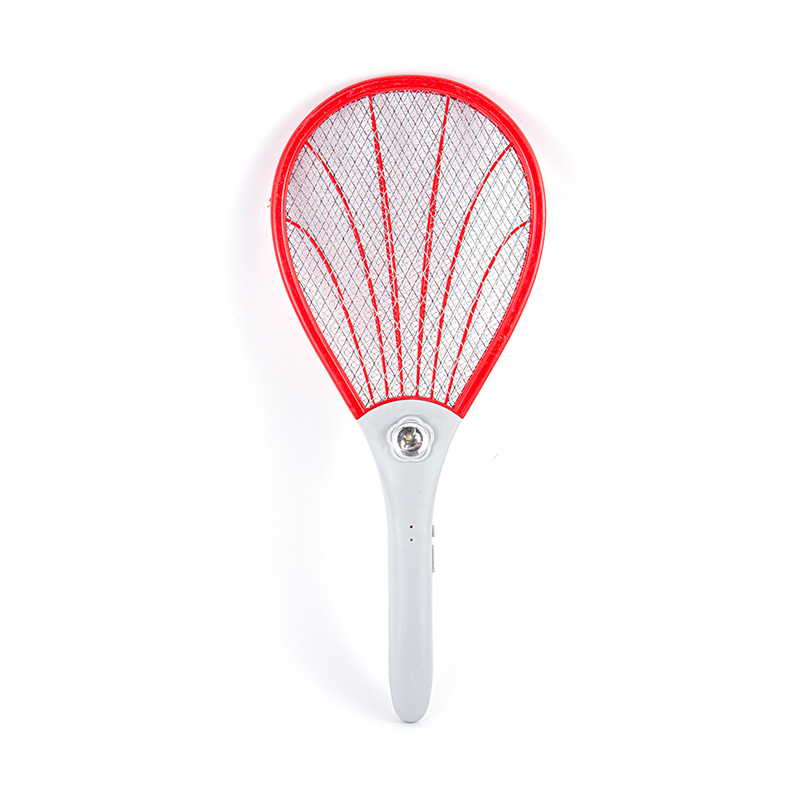
Inside a Battery Operated Mosquito Swatter, the mesh serves as the active surface that handles the insect control function. At the same time, it needs protection from direct hand contact. A layered layout is common in many practical designs because a single open surface would leave too much risk during regular use. Multiple layers or a protected outer frame help create distance between the active area and the person using it.
A safer mesh setup usually follows a simple logic. Outer parts guide the hand away from the interior. Inner parts handle the electrical function. The opening size, grid alignment, and frame depth all influence how easily a finger can reach the active section. When spacing is arranged with care, the mesh can still allow insect access while reducing the chance of contact from normal handling.
| Design Element | Safety Role | Practical Effect |
|---|---|---|
| Outer frame | Builds a protective border | Helps keep hands away from the active zone |
| Mesh spacing | Controls access to the inner area | Reduces accidental touch risk |
| Handle separation | Defines a safe holding position | Makes grip location easier to follow |
| Layered grid layout | Adds distance around the working zone | Supports safer daily use |
| Insulating shell | Covers exposed parts | Lowers contact chance during carrying or storage |
A layout like this does not rely on one single feature. Safety comes from the combined effect of shape, spacing, and cover design.
What Design Features Help Prevent Accidental Touching Risks
Several design details can raise the level of safety in a Battery Operated Mosquito Swatter without changing the basic purpose of the tool. One important detail is the border around the mesh. A raised or wider edge can work as a visual and physical signal, showing where the active area begins. That helps users keep their fingers in the correct place, even when moving quickly.
Handle design also matters. A comfortable grip section with a clear boundary gives a stronger sense of control. When the hand knows exactly where to stay, the chance of slipping forward becomes lower. Some designs also shape the handle so it feels slightly separated from the working surface, which creates a more natural holding position.
Another useful feature is the inner cover or guard that surrounds the active mesh. Even without making the swatter bulky, a protective layer can reduce direct exposure. In daily use, that layer helps during carrying, resting, and storage. It also supports a safer cleaning process, since the user can manage the tool with more confidence.
A practical design often includes a few simple safety cues:
- A visible edge around the active mesh
- A grip zone with a distinct feel
- A guard structure that limits reach
- A shape that keeps the hand centered
Each detail may seem small, yet together they reduce the chance of accidental contact in normal handling.
How Mesh Spacing Influences Safety And Usage Experience
Mesh spacing sits at the center of both performance and protection. Openings that are too large may weaken the safety feeling, since fingers can reach closer to the active area. Openings that are too small may affect the working function or make the product feel heavy and less open. A balanced layout creates enough access for insect control while still giving the user a sense of separation.
Spacing also changes how the swatter feels during motion. A tighter and more regular grid can look cleaner and more controlled. A rough or uneven layout can give a less stable impression, even when the internal function remains unchanged. Users often read safety from appearance before they even begin use. For that reason, consistent spacing can support both trust and comfort.
Protection is not only about blocking touch. It also includes guiding movement. When the mesh layout, outer frame, and handle all point the hand in one direction, the tool becomes easier to manage in close spaces. That matters in kitchens, narrow corners, and other home areas where movement is limited.
Why Material Selection Is Important For Mesh Safety
Material choice has a direct effect on how safe and durable the mesh area feels over time. A stable frame helps the structure keep its shape after repeated use. A weaker frame may bend, loosen, or create gaps that change the safety level. Once that happens, the user may face a higher chance of unintended contact during everyday handling.
Insulating material around the shell and handle also supports safer operation. A smooth outer surface gives clearer separation from the active section. It lowers the chance of grabbing the wrong area, especially when the user is moving fast or storing the swatter after use.
Durable materials also help the swatter keep a steady structure under regular pressure. Frequent swinging, cleaning, and placing the tool on different surfaces all create wear. A well-chosen material setup can keep the mesh firm and the borders intact, which supports both use and safety.
Material decisions often affect more than appearance. They influence grip comfort, structural stability, and the way the product holds up in daily household use.
How Do Internal Circuit and Power Control Designs Support Protection
Mesh protection isn't just about the outer structure — internal power arrangements play their own part in how safely a Battery Operated Mosquito Swatter actually performs during everyday use. A sensible internal layout helps keep electrical parts separate from areas users normally touch, which creates a clearer safety boundary running through the product.
Battery placement, circuit connections, and control switches need to work together with the outer shell rather than in isolation. When internal parts sit where they're supposed to, movement and handling tend to feel more predictable. A compact structure adds its own challenge here too, since limited space can make keeping components properly separated a bit trickier.
The switch area is another detail worth thinking about when it comes to daily safety. A well-positioned switch tends to cut down on accidental operation while the swatter is being carried around or stored away. At the same time, users still need to be able to control the tool easily whenever they're actually using it.
A few internal arrangements tend to support safer operation:
- A fixed battery position helps keep things from shifting inside the handle
- A separated circuit area cuts down on unnecessary contact between components
- A protected switch design lowers the odds of accidental activation
- A stable connection system helps keep normal function going during use
Internal design really connects closely with the outer mesh structure. When both get planned together, manufacturers tend to end up with a product that feels steadier in the hand while still keeping the working area properly separated from where users actually hold it.
What Manufacturing Processes Affect Battery Operated Mosquito Swatter Safety
Production methods shape a fair amount of how a Battery Operated Mosquito Swatter ends up performing on the safety side. Even when design drawings are worked out carefully, small differences that crop up during assembly can still affect how the finished product feels and functions.
Mesh installation calls for attention to alignment and edge treatment. Uneven edges can affect how well the frame actually protects, while incorrect positioning might shift the distance between the user and the working area more than intended. A consistent assembly process tends to help keep the structure closer to what was originally planned.
Frame connection is another spot that needs careful handling. Since users often move the swatter fairly quickly during operation, the connection between handle and mesh section needs to hold steady. A loose connection can chip away at comfort and raise some concerns with repeated use over time.
Manufacturing checks often touch on a few practical points:
- Checking mesh edges for sharp or uneven spots
- Confirming protective covers line up correctly with the frame
- Making sure handle connections stay firm
- Reviewing internal parts before final assembly wraps up
Paying attention to these details helps carry the original design intent through into actual production. Safety here doesn't really come down to one single component — it depends more on how the different parts come together as a whole.
How Are Future Mesh Designs Improving User Safety
Shifts in household habits are shaping how pest control tools get designed these days. People tend to expect home-use products to be simple to operate and easy to store, while also offering a reasonably safer experience during handling.
Future mesh structures may put more weight on balancing protection with convenience. A protective frame doesn't need to make operation complicated — careful shaping can instead help users get a clear sense of where to hold the tool and where the working area actually starts.
Material choices could bring some changes too. A well-matched combination of materials can support a lighter structure while still keeping the mesh frame stable. Surface treatment and grip design might also help reduce slipping when the product gets used one-handed.
Possible design improvements worth considering:
- Clearer separation between the grip and mesh area
- Easier cleaning around the protective frame
- More comfortable handle shapes
- Better arrangement of internal components
These kinds of improvements tend to grow out of common user needs rather than anything overly complicated. Even small structural changes can shift how naturally a household tool ends up fitting into daily routines.
Why Does Mesh Design Remain a Key Part of Electric Mosquito Swatter Development
Mesh design ties together several parts of a Battery Operated Mosquito Swatter — safety, handling, and everyday performance all run through it. A mesh surface needs to do its working job while also keeping enough separation from direct human contact.
During actual use, people usually aren't thinking about internal structures or manufacturing details. What they notice is whether the handle feels stable, whether the product is easy to control, and whether storing it feels safe enough. Those impressions come from a lot of small design decisions made well before the product ever reaches them.
For manufacturers, improving mesh structures really comes down to studying how the product gets used in real situations. It might end up in different rooms, handled by different family members, or stored in different positions around the house. Thinking through these situations helps shape designs that fit more naturally into everyday environments.
A Battery Operated Mosquito Swatter is a fairly simple household tool at heart, yet its safety still depends on careful coordination between mesh layout, protective materials, internal components, and production methods. Each part plays into how the product performs once it moves from the factory into daily household use.
With continued attention to practical design, mesh structures can keep offering better separation, easier handling, and a more comfortable experience for the people actually using them.