English
  Español
  Deutsch
 Daily travel often involves several short periods of heat exposure rather than one long stay in a hot place. Walking from home to a station, waiting beside a road, standing on a crowded platform, or moving between buildings can make personal cooling useful. A room fan cannot follow someone outside, while a large cooling device is clearly unsuitable for a commute.
A Mini Handheld Cooling Fan takes a different approach by moving air directly toward the user. Compact rechargeable fans are commonly designed for pockets, handbags and backpacks, making portability part of their basic function.
Personal airflow can be especially useful during short waiting periods. A commuter may only need a breeze for several minutes before getting onto a train or entering an air‑conditioned building. Carrying a small device makes such moments easier to manage without adding much to a daily bag.
Several situations can benefit from personal airflow:
- Walking between transport stops
- Waiting on an outdoor platform
- Standing in a crowded vehicle
- Sitting at a warm waiting area
- Walking from a station to work
- Taking a short outdoor break
Cooling needs also change throughout a journey. Outdoor walking may call for stronger airflow, while a quiet office or shared vehicle may require a gentler setting. Adjustable airflow can therefore make a compact fan easier to fit into different parts of one commute.
How Does Compact Size Help During Travel
A commuting accessory has to compete with phones, wallets, notebooks, chargers and other daily items for storage space. Large equipment can quickly become inconvenient, especially for people who travel with a small handbag or compact backpack.
Small fans are generally shaped around easy carrying. Pocket‑sized designs can fit into bags or clothing pockets, while slim bodies can be placed beside other personal items without requiring a separate case.
Weight matters during repeated movement as well. Holding a fan while walking should not create unnecessary strain, especially when one hand may already be occupied with a phone, drink or travel card.
A practical portable design often considers three areas:
Storage → Carrying → Access
Storage concerns whether the fan fits comfortably into a bag or pocket. Carrying relates to grip shape and overall weight. Access determines how quickly someone can take it out when heat becomes uncomfortable.
A handle can make handheld use easier, while a lanyard or similar attachment can provide another carrying option. Some portable designs also include foldable structures that allow the unit to stand on a desk after arrival at work or school.
Compact size therefore has value beyond appearance. It helps turn cooling equipment into something that can remain with a commuter throughout the day.
How Does Rechargeable Power Fit a Daily Commute
Power access is another practical concern. A portable fan becomes easier to use during travel when it does not depend on a fixed wall outlet.
A Small USB Rechargeable Fan can normally be charged through common USB power sources, such as a laptop, wall adapter or portable power bank. Current portable fan designs commonly use rechargeable batteries together with USB charging connections.
Such an arrangement fits naturally into a daily charging routine. A commuter can charge the fan at home before leaving, add power during a workday, or use a portable power bank during longer travel.
Battery planning remains useful. Continuous operation at a stronger airflow setting generally places greater demand on stored power than occasional use at a lower setting. Rather than treating battery capacity as an isolated feature, commuters can consider how the fan will actually be used during a normal day.
A simple routine may look like:
- Charge before leaving home
- Keep the charging cable with regular travel accessories
- Check the remaining power before a long journey
- Use airflow according to the surrounding conditions
- Recharge after returning home when needed
USB charging also reduces dependence on finding a dedicated outlet. A laptop or portable power source can provide another charging option during a workday or trip.
For daily commuting, rechargeable power is less about uninterrupted operation and more about keeping personal cooling available across changing locations.
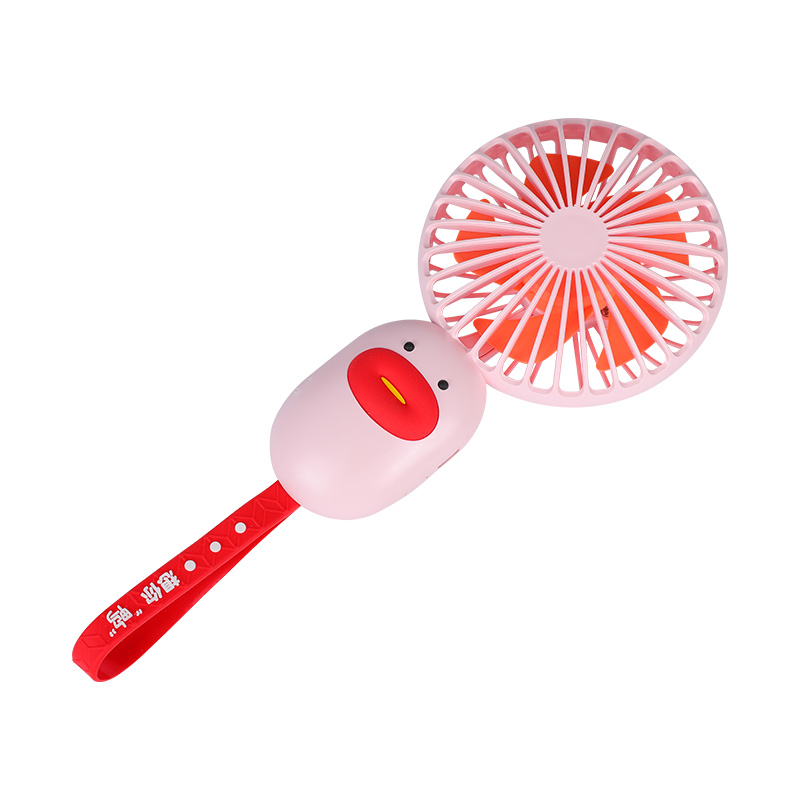
How Can Quick Airflow Help During Hot Commutes
Personal cooling works through direct airflow rather than changing the temperature of an entire environment. A commuter standing on a warm platform may only need air moving around the face and upper body, making a handheld device more practical than equipment designed for room cooling.
Airflow direction has a noticeable effect on comfort. Holding a fan too far away reduces the amount of air reaching the skin, while holding it very close may feel uncomfortable at a stronger setting. Finding a suitable distance and angle allows the same device to work across different situations.
Walking creates another consideration. A person moving through warm outdoor air may need a steady breeze directed toward the face or neck. Someone sitting on public transportation can point airflow toward a different area without moving the entire device.
Adjustable settings can help accommodate such changes. Portable fan designs commonly provide several airflow levels, allowing users to move between a lighter breeze and stronger airflow according to the surroundings.
Personal cooling becomes particularly useful during short transitions. A few minutes of direct airflow while waiting can make the period more comfortable before reaching a cooled indoor space.
Rather than focusing only on airflow strength, practical use depends on:
- Airflow direction
- Holding distance
- Operating level
- Body position
- Surrounding temperature
- Length of use
Such factors explain why a compact fan can have a useful role in commuting even though it does not cool the surrounding environment.
Why Does Quiet Operation Matter on Public Transport
A portable fan may be used around other people, so sound becomes part of everyday comfort. Public transport, offices, libraries and waiting areas can be relatively quiet, making noticeable mechanical noise more distracting than it would be outdoors.
Fan sound usually comes from moving air and rotating blades. Higher airflow settings may create more noticeable sound, while a lower setting can provide a softer breeze. Choosing an appropriate operating level helps match cooling needs with the surrounding environment.
A commuter standing on a busy platform may have more freedom to use stronger airflow. Someone sitting beside other passengers may prefer a gentler setting. Personal habits and surroundings both influence what feels appropriate.
Noise should therefore be considered alongside airflow rather than treated as a separate specification. A fan that moves air comfortably at a moderate setting can be easier to use throughout a full commute.
Quiet operation can be useful during:
- Train and bus journeys
- Office breaks
- Indoor waiting periods
- Study sessions
- Shared workspaces
- Quiet public areas
Physical design also plays a role. A secure protective cover, balanced moving parts and a stable housing structure can help reduce unwanted vibration during operation.
Commuting rarely happens in one environment. A suitable portable fan should allow the user to adjust its operation according to whether they are walking outside, sitting on a train or working at a desk.
How Can One Fan Adapt to Different Commuting Situations
A typical commute may include several changes in activity. Someone can walk to a station, wait outside, ride public transportation and then continue on foot before reaching work. A cooling device that supports different positions can fit more naturally into such a routine.
Handheld use works well while walking or waiting. A comfortable grip allows airflow to be directed toward the face, neck or another area without requiring a fixed surface.
A fold‑out handle offers another possibility once the commuter reaches a desk. Rather than holding the fan continuously, the unit can stand on a suitable surface and provide airflow while the user works.
A lanyard can also provide a carrying option during movement. Hands remain available for other tasks while the fan stays close enough for convenient access. Such a feature needs to be used appropriately according to the design and surrounding conditions.
| Commuting Situation | Useful Feature | Practical Use |
|---|---|---|
| Walking | Comfortable Handle | Direct Personal Airflow |
| Waiting Outside | Adjustable Airflow | Flexible Cooling Direction |
| Public Transport | Quiet Operation | More Suitable Shared Use |
| Limited Bag Space | Compact Body | Easy Storage |
| At A Desk | Fold Out Handle | Stationary Airflow |
| Moving Between Places | Lanyard | Convenient Carrying |
Flexible positioning can also reduce the need to hold the device continuously. A commuter may use handheld airflow outside, then place the fan on a desk after reaching an office or classroom.
Such adaptability gives a compact fan a wider role than a single‑purpose handheld device. Rather than being used only during the hottest part of a journey, it can move between outdoor, transport and indoor settings with relatively little adjustment.
What Should Commuters Consider When Choosing a Portable Fan
Choosing a portable cooling device should begin with daily habits rather than a long list of specifications. Someone who walks for a long period may care more about grip and weight, while a person who spends much of the commute on public transport may pay closer attention to sound and storage.
Size remains a basic consideration. A compact body is easier to keep inside a handbag, backpack or coat pocket. Storage should still leave enough room for the user's other belongings.
Rechargeable power is another practical factor. A Small USB Rechargeable Fan can fit into a charging routine alongside other USB‑powered personal devices. Checking charging compatibility before purchase can prevent inconvenience later.
Airflow adjustment can also influence usability. A single fixed airflow level may not suit every setting, especially when moving between outdoor and indoor environments.
A useful selection checklist includes:
- Compact dimensions
- Comfortable grip
- Easy access to controls
- Adjustable airflow
- Suitable operating sound
- USB charging
- Rechargeable battery
- Foldable or adjustable structure
- Optional carrying attachment
No single feature determines whether a fan fits a commute. Personal routines vary considerably, so the useful combination depends on how the device will be carried and where it will be used.
For commuters who regularly move between outdoor and indoor spaces, flexible positioning can have practical value. A fan that works in the hand during a walk and can stand on a desk later may reduce the need for separate cooling equipment.
How Does a Small USB Rechargeable Fan Fit Into a Daily Routine
A Mini Handheld Cooling Fan can become part of a commuting routine without requiring much change to normal travel habits. Charging can take place at home, while carrying remains simple enough for regular use.
Before leaving, checking battery power and placing the fan somewhere easy to reach can prevent unnecessary searching later. A handbag pocket, backpack compartment or coat pocket may provide convenient access, depending on the size of the device.
During a commute, airflow can be adjusted according to activity. Walking outdoors may call for direct airflow, while a quieter setting may feel more suitable on public transportation. Once work or study begins, a fold‑out handle can allow stationary use on a desk.
A practical routine might follow a simple pattern:
Charge → Carry → Use Outdoors → Adjust During Travel → Place on Desk → Recharge When Needed
Keeping the device accessible also matters. A portable fan that remains buried beneath books or clothing may be less convenient than one stored in an easy‑to‑reach compartment.
Daily commuting involves movement, waiting and changes in environment, so portability has a practical role beyond simply making a product smaller. Compact storage, rechargeable power, personal airflow, manageable sound and flexible positioning can work together to make cooling easier to incorporate into ordinary travel.
A Small USB Rechargeable Fan can suit commuters who want personal airflow without carrying bulky equipment, while a Mini Handheld Cooling Fan offers a portable approach that can move from outdoor walking to public transport and desk use with little adjustment.