English
  Español
  Deutsch
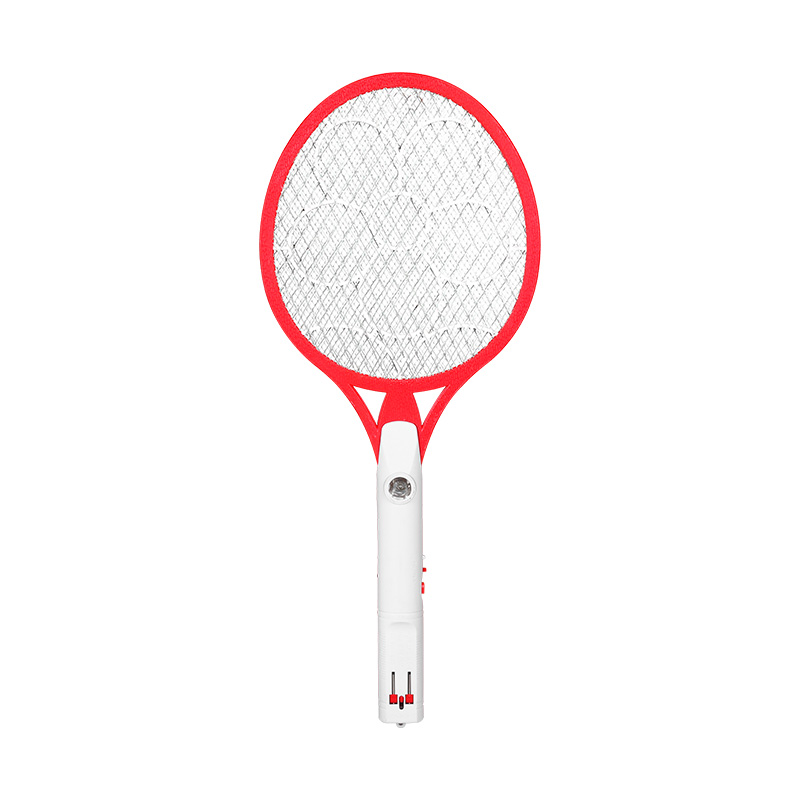
 In summer, every household must have an electric mosquito swatter. Of course, there are many mosquito repellent products, but the electric mosquito swatter is the product that yields the most noticeable effect, which is very intuitive. The electric mosquito swatter is a small household appliance. The electronic high-voltage mosquito repellent hand swatter is generally popular among people for its practicality, convenience, effective mosquito repellent properties, non-chemical pollution, safety, and hygiene. It has gradually become an indispensable tool for summer insect repellent and a best-selling small household appliance in the summer. The following is a detailed introduction to the purchase skills and main advantages of the electric mosquito swatter.
Stock selection skills
1. When purchasing an electric mosquito swatter, pay attention to whether there is information such as the implementation standard number, production date, factory address, manufacturer's phone number, etc., on the outer packaging.
2. Pay attention to whether there is a "lightning" danger sign or a "dangerous high voltage" warning on the electric mosquito swatter.
3. Check whether the instruction manual includes the content that the device should be kept away from children and cannot be used in places where flammable gases or explosive dust may exist, whether there are detailed instructions on the cleaning method, cycle, and leakage prevention measures, and whether the "lightning" sign is used—explanation of its meaning.
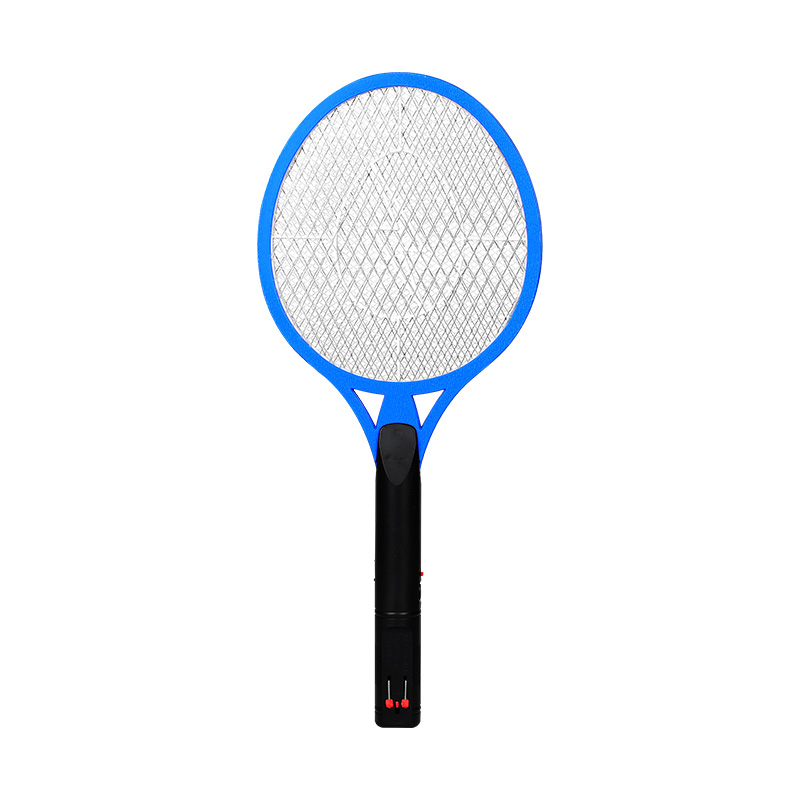
4. Good quality electric mosquito swatters can be identified by observing the handle, power grid, and related signs. The handle of the genuine electric mosquito swatter is mostly made of engineering plastics with good gloss, while the inferior products are often made of recycled plastics, which not only have burrs but also have a high possibility of breakage. The power grid of a good-quality electric mosquito swatter is generally a three-layer structure, and the distance between adjacent layers is large, so the power grid looks thicker. At the same time, the electric mosquito swatters produced by regular manufacturers are marked with information such as product name, operation method, factory address, factory name, etc., and the product is also accompanied by an instruction manual.
Main advantages
1. Triple voltage
The electric mosquito swatter adopts the first triple voltage rectification and circuit, with an instantaneous output voltage of up to 2500V, and the mosquito-killing effect is particularly good.
2. No numbness
The electric mosquito swatter can kill mosquitoes that are sucking blood, and is harmless to the human body. When the hand touches it flat, there is no numbness when lightly touching the surface.
3. No leakage
The electric mosquito swatter has a special three-layer mesh surface, mosquitoes and flies are very easy to enter the net, and they will not leak out.
This article introduces the purchase tips and main advantages of electric mosquito swatters, and I hope it will be helpful to everyone! If you want to know more about electric mosquito swatters, please pay more attention to our website! Yiwu Jiuxin Electric Co., Ltd. is a manufacturer of electric mosquito swatters, electronic pianos, anti-wolf devices, alarms, mosquito repellent swatters, anti-theft alarm locks, and other products. Friends who need to buy electric mosquito swatters, please contact us!
The electric mosquito swatter can kill mosquitoes that are sucking blood, and is harmless to the human body. When the hand touches it flat, there is no numbness when lightly touching the surface.
Transition from Disposable to Rechargeable Power
Earlier electronic fly swatters commonly relied on disposable dry batteries. While functional, this design required frequent battery replacement and careful monitoring of battery condition. Many newer models now use built-in rechargeable batteries, often lithium-based, which allow repeated charging through USB ports. This change has reduced routine battery replacement and simplified long-term use.
Improved Safety-Oriented Structures
Initial designs often had minimal separation between energized mesh layers and the outer frame. Over time, manufacturers introduced multi-layer mesh systems with protective outer grids. These structures reduce the likelihood of accidental contact with the electrified interior while maintaining insect control capability.
Refinement of Switching Mechanisms
Older swatters typically used simple mechanical switches that controlled power flow directly. More recent designs incorporate improved switches, including pressure-activated buttons or dual-mode switches. These changes help ensure that electricity is only supplied when the user intends to operate the device.
Integration of Status Indicators
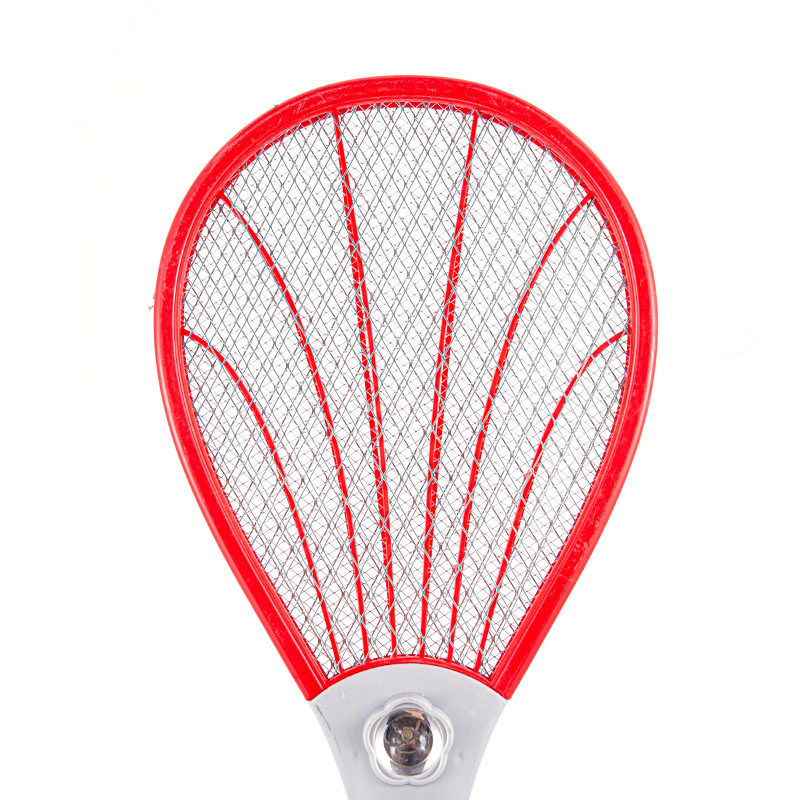
Another notable change is the addition of indicator lights or sound cues. These features provide basic feedback on power status, charging progress, or active operation. This development supports clearer user awareness and reduces uncertainty during use.
Broader Application Contexts
Electronic fly swatters were once viewed mainly as indoor tools. Design updates, including sturdier frames and portable charging, have made them more suitable for both indoor and outdoor environments. These changes reflect broader usage scenarios rather than a shift in core function.
Innovations in Materials and Design of the Electric Fly Mosquito Swatter
Material and design innovations in electric fly mosquito swatters have focused on durability, safety, and efficient manufacturing. These improvements aim to balance cost control with reliable everyday performance.
Compared with earlier heavier materials, modern plastics provide sufficient structural strength while reducing overall device weight. This makes the swatter easier to handle for extended periods and reduces user fatigue.
Metal mesh materials have also seen refinement. Many swatters now use corrosion-resistant metal alloys for the inner grids. These materials are less affected by humidity and environmental exposure, especially in regions with higher moisture levels. Consistent mesh spacing has become more precise due to improved manufacturing processes, which supports stable electrical discharge when insects make contact.
Design innovation is also evident in internal circuit layout. Compact circuit boards and integrated voltage converters allow manufacturers to reduce internal space requirements. This enables slimmer handle designs while maintaining necessary electrical functions. Improved circuit insulation materials help separate high-voltage components from user contact areas.
Battery enclosure design has changed as well. Rechargeable battery compartments are now commonly sealed within the handle, protecting the battery from dust and minor impact. This design choice also reduces the number of removable parts, lowering the risk of loose connections over time.
From an ergonomic perspective, handle shapes have evolved to include textured surfaces or contoured grips. These features improve handling stability without adding complexity. Some designs also incorporate balanced weight distribution between the handle and mesh head, supporting controlled movement during use.
Innovations in materials and design have not altered the fundamental purpose of electric fly swatters. Instead, they have improved consistency, handling, and suitability for repeated household use while maintaining a relatively simple device structure.

How Often Should the Battery in a Handheld Electric Fly Swatter Be Replaced?
The frequency of battery replacement in a handheld electric fly swatter depends primarily on battery type, usage patterns, and maintenance practices. Understanding these factors helps users manage the device more effectively over time.
For swatters that use disposable batteries, such as AA or AAA cells, replacement frequency varies widely. In occasional use scenarios, batteries may last several weeks or months. Frequent operation or accidental continuous activation can significantly shorten battery life. In these cases, users may find themselves replacing batteries multiple times within a single season.
Rechargeable handheld electric fly swatters operate differently. These devices use built-in rechargeable batteries, commonly lithium-ion or lithium-polymer types. Rather than being replaced regularly, these batteries are designed to be recharged many times. Under normal household use, a rechargeable battery can function adequately for several years before noticeable capacity reduction occurs.
Battery lifespan is often measured in charge cycles rather than calendar time. A single cycle represents one full charge and discharge. Many rechargeable batteries are designed to support hundreds of such cycles. Light or moderate usage typically results in slower capacity decline compared with daily intensive use.
Environmental conditions also influence replacement timing. Exposure to high temperatures, moisture, or physical impact can shorten battery life. Proper storage in a cool, dry location helps preserve battery condition. Charging habits also matter; using compatible chargers and avoiding prolonged overcharging can reduce unnecessary stress on the battery.
In many factory-made swatters, the battery is not intended to be user-replaceable. When battery performance declines significantly, the practical solution may be full unit replacement rather than battery substitution. Some higher-end or specialized models may allow battery replacement by professionals, but this is not universal.
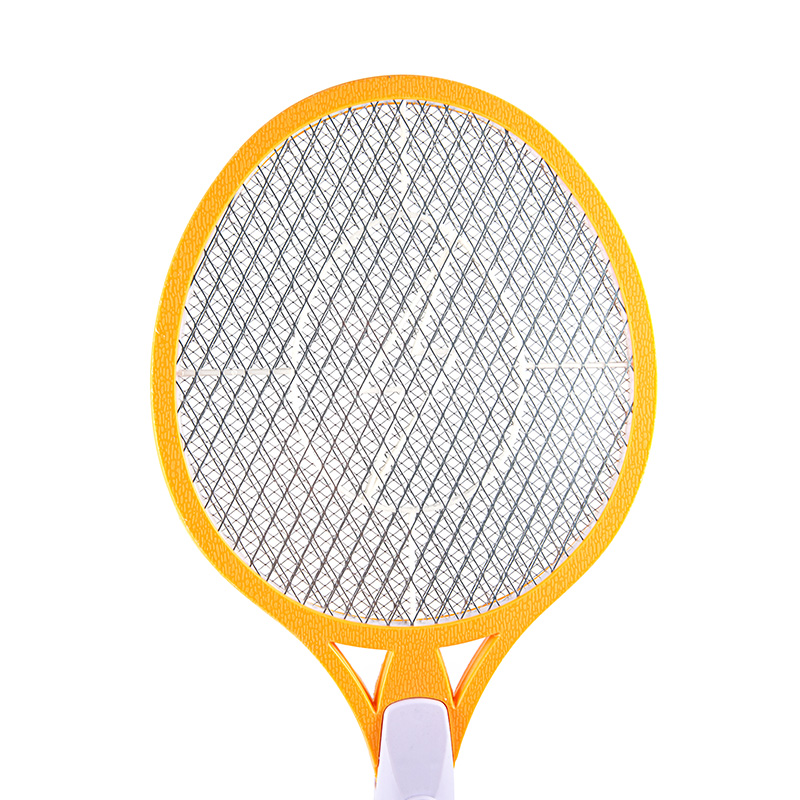
Disposable battery models require regular replacement based on usage, while rechargeable models typically do not require battery replacement for several years. Monitoring performance, following basic charging guidelines, and avoiding environmental stress can help maximize battery lifespan in handheld electric fly swatters.