English
  Español
  Deutsch
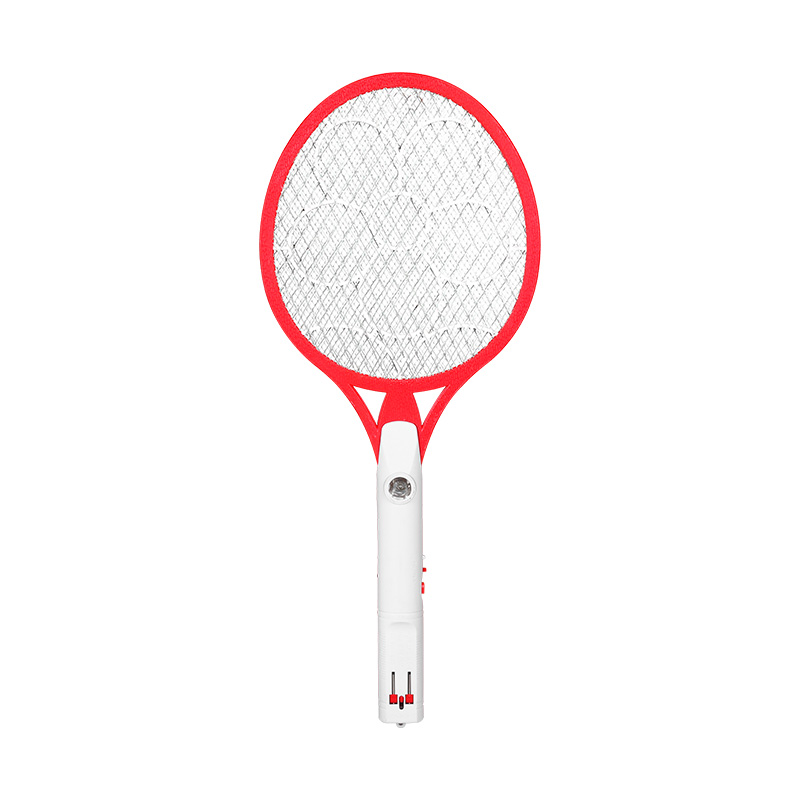
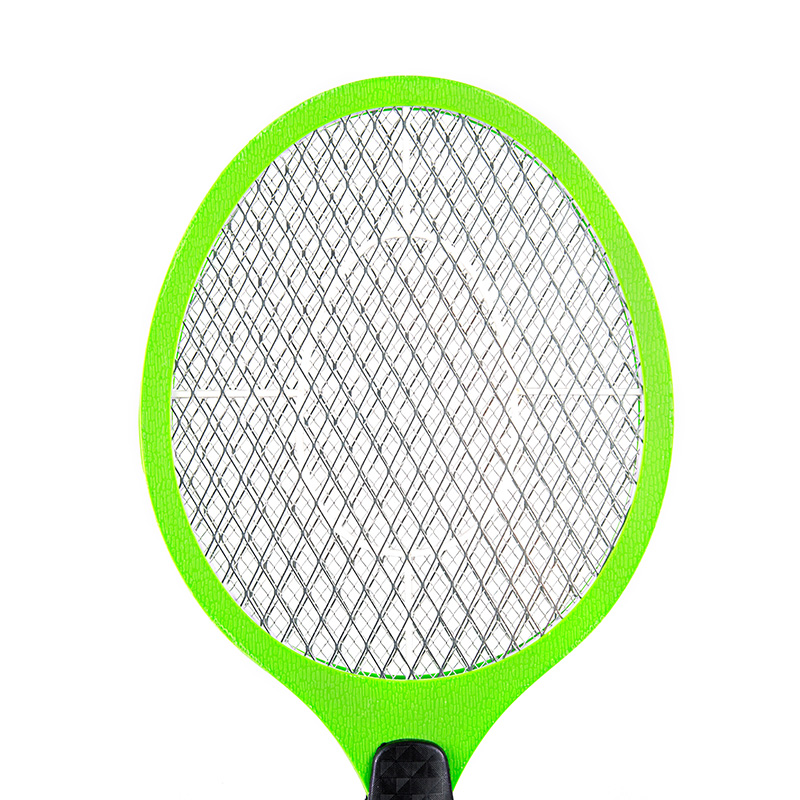
 The electric mosquito swatter is a mosquito killing tool. Now people may use it less, but in the past few years when mosquito lamps were not popular, the electric mosquito swatter was the main contributor to mosquito killing at home. The electric mosquito swatter looks like a tennis racket, but it can actually release very high voltage instantly to kill mosquitoes, so you must be careful when using it. So what is the working principle of the electric mosquito swatter? Next, let me introduce it to you!
The electric mosquito swatter circuit is mainly composed of three parts: high-frequency oscillation circuit, three-fold voltage rectification circuit and high-voltage electric shock network DW. When the power switch SB is pressed, the high-frequency oscillator composed of transistor VT and transformer T is powered on, converting 3V DC into high-frequency AC of about 18kHz, which rises to about 800V (discharge distance estimation) through t, and rises to about 2500V through diodes VD2~VD4 and capacitors C1~C3. When mosquitoes and flies touch the high-voltage power grid, the insect body causes the power grid to short-circuit, that is, they will be killed or stunned or killed by current and electric arc.
In the circuit, the light-emitting diode VD1 and the current-limiting resistor R1 form an indicator circuit to indicate the switch state of the circuit and the consumption of battery power.
The transistor VT uses a 2N5609 silicon NPN medium-power transistor, which can also be replaced by common transistors such as 8050 and 9013. VD1 uses a φ3mm red light-emitting diode, and VD2~VD4 use 1N4007 silicon rectifier diodes.
R1~R3 all use metal film resistors. C1~C3 all use high-voltage capacitors (greater than 2kv), and SB uses a 6mm×6mm vertical micro touch switch. G is made of two No. 5 dry batteries connected in series (with a plastic battery rack), with a voltage of 3V.
The high-frequency transformer T must be homemade: use EE19 type ferrite core and matching plastic skeleton (six feet), L1 is wound with φ0.22mm enameled wire for 22 turns, L2 is wound with the same wire for 8 turns, and L3 is wound with φ0.07mm enameled wire for about 2000 turns. Pay attention to the black dot wire ends, wind them in order from head to tail, and wrap 1~2 turns of high-voltage insulating tape between the windings.
The above is the working principle of the electric mosquito swatter. I hope it will be helpful to everyone! If you want to know more about the electric mosquito swatter, you can pay more attention to our website! If you need to buy electronic products such as electric mosquito swatters, electronic pianos, anti-wolf devices, etc., you can contact us directly!
Can an electric fly swatter be used both indoors and outdoors?
Many electric fly swatters are designed for use in both indoor and outdoor environments. Indoors, they are commonly used in kitchens, bedrooms, and living areas to control flies and mosquitoes without spraying chemicals. Outdoors, they are often used on balconies, patios, camping sites, or gardens. However, users should avoid operating them in wet or rainy conditions, as moisture can interfere with electrical components and reduce safety.
- Basic Principle of Operation: The device functions as a high-voltage, low-current electrical circuit. When the user presses a button, internal electronics convert the low voltage from the batteries (typically 1.5-4.5 volts) into a much higher voltage, which is stored across two or three metal grids on the head of the swatter. When an insect bridges the gap between these grids, it completes the circuit, causing a rapid electrical discharge that electrocutes it.
- Power Source: Many modern models are rechargeable via a built-in lithium-ion or nickel-metal hydride (NiMH) battery and a USB charging cable. Some older or simpler models may operate on disposable AAA or AA batteries. Battery life is measured in charges or usage time between power cycles.
- Effectiveness and Use: The device is only effective upon direct physical contact with an insect. Success depends on user skill in manually intercepting the target. It is a tool for eliminating individual pests rather than providing area-wide control. The high voltage is sufficient to kill small insects like mosquitoes and flies, but the current is kept low enough to be generally non-lethal to humans, though the shock can be unpleasant.
- Safety Features: Common safety designs include a protective outer layer or cage around the inner charged grids to prevent accidental contact with fingers or larger objects. Many models have a physical safety switch or lock to prevent unintended activation during storage or handling.
- Maintenance Requirements: The device requires periodic cleaning to remove insect debris from the grids, as buildup can insulate the charge and reduce effectiveness. Rechargeable batteries need to be charged regularly. The unit should be inspected for damage to the grid wires or housing.
- Environmental and Storage Considerations: Performance can be impaired by high humidity or wet conditions, which may cause unintended arcing or short circuits. For long-term storage, it is advised to keep the device in a cool, dry place and, for models with removable batteries, to remove them to prevent potential leakage and corrosion.
- Variations and Features: Available models range from basic rackets to multi-functional designs. Common variations include swatters with built-in LED lights for use in low-light conditions, foldable handles for compact storage, and 2-in-1 designs that also function as a stationary plug-in bug zapper with an attracting UV light.
Does an electric fly swatter work effectively in daylight?
Electric fly swatters can function during the day, but effectiveness depends on insect activity rather than lighting conditions. Flies and mosquitoes are often more active during certain times, such as early morning or evening. The swatter’s operation relies on physical contact with insects, so visibility and user timing are more influential than ambient light.
Are electric fly swatters safe for regular household use?
When used according to general guidelines, electric fly swatters are considered suitable for household use. They typically operate at high voltage but low current, which limits energy transfer. Safety features such as insulated handles and protective mesh layers reduce accidental contact. Proper storage away from children and pets is still recommended.
Do indoor and outdoor uses require different maintenance practices?
Basic maintenance is similar for both environments, including keeping the mesh clean and ensuring the battery is charged. Outdoor use may expose the swatter to more dust or debris, so cleaning may be needed more frequently. Storing the device indoors after outdoor use helps maintain consistent performance.
Electric Fly Swatter Racket: Structure and Functional Overview
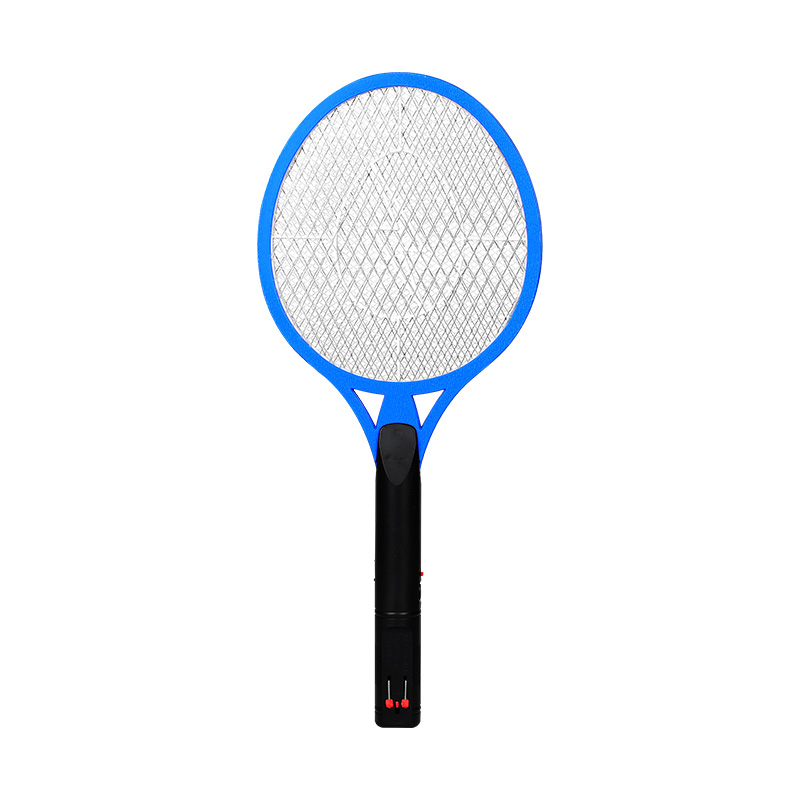
An electric fly swatter racket consists of multiple components working together to deliver controlled electrical discharge for insect control. The following table outlines the main elements and their functions.
|
Component |
Description |
Functional Role |
|
Handle |
Insulated grip section |
Provides safe holding area and houses battery or wiring |
|
Power Source |
Disposable or rechargeable battery |
Supplies electrical energy to the circuit |
|
Activation Switch |
Button or slider |
Controls when electricity flows to the mesh |
|
Voltage Converter |
Internal electronic circuit |
Steps up voltage to a level suitable for insect control |
|
Metal Mesh Layers |
Usually three-layer structure |
Delivers electric discharge when insects bridge layers |
|
Protective Outer Mesh |
Non-energized layer |
Reduces risk of accidental contact with charged grid |
|
Frame |
Plastic or composite structure |
Maintains mesh alignment and overall shape |
|
Indicator Light (optional) |
LED display |
Shows power or charging status |
In operation, pressing the activation switch allows power from the battery to reach the voltage converter. This component increases voltage while maintaining low current. The converted electricity is then distributed across the inner metal mesh layers. When an insect contacts two energized layers simultaneously, a brief electrical discharge occurs, disabling the insect.
The racket-style design supports ease of movement and directional control. The flat mesh surface increases the chance of contact compared with narrow tools. At the same time, the protective outer mesh and insulated handle reduce direct exposure to electrical elements.
Electric fly swatter rackets are designed for repeated short-term use rather than continuous operation. Their structure reflects a balance between portability, controlled electrical output, and user safety. Understanding these components helps users operate the device more responsibly and recognize when maintenance or replacement may be necessary.
Is There Any Necessity to Use an Electric Bug Swatter Racket?
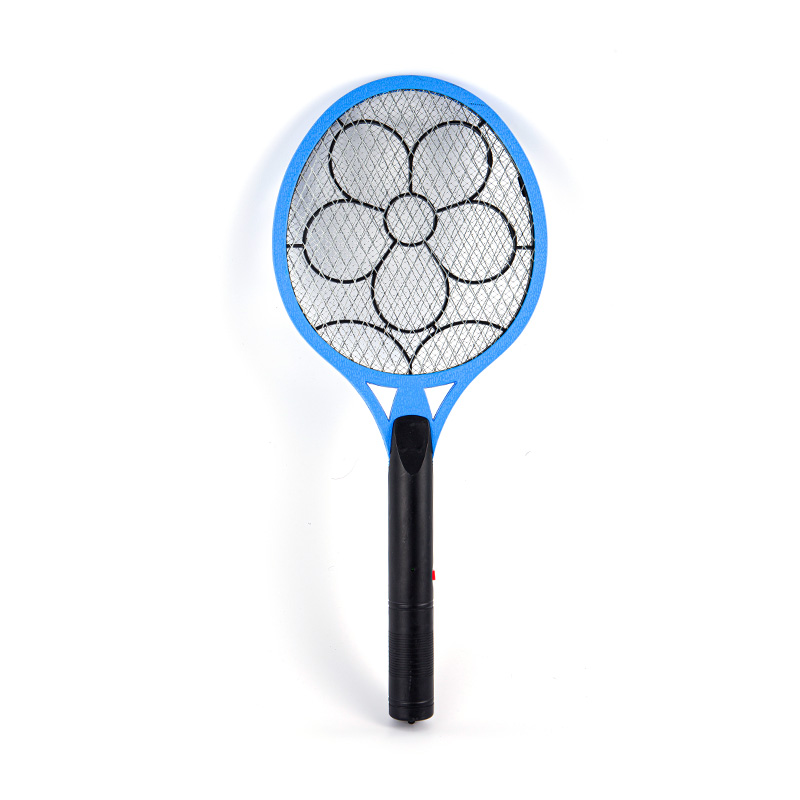
The necessity of using an electric bug swatter racket depends largely on individual living conditions, insect prevalence, and personal preferences. It is not an essential household item for everyone, but it serves specific practical purposes in certain situations.
One reason people consider electric bug swatters is the desire to reduce insect presence without relying on chemical sprays. In enclosed indoor spaces, chemical repellents may leave odors or residues that some users prefer to avoid. An electric swatter provides a mechanical and electrical method of insect control without dispersing substances into the air.
Another factor is immediacy. Electric swatters allow users to address visible insects directly and quickly. This can be practical in areas where insects enter occasionally rather than in large numbers. For example, a few mosquitoes entering through an open window may be handled more easily with a swatter than with traps or long-term deterrents.
Electric bug swatters are also portable and reusable. Unlike sticky traps or disposable products, a single device can be used repeatedly over time. This may reduce ongoing purchases of consumable insect control products, depending on usage habits.
However, an electric swatter is not a comprehensive solution for all insect-related issues. In environments with heavy infestations, additional measures such as window screens, environmental management, or professional pest control may be more effective. The swatter functions better as a supplementary tool rather than a primary control method.
From a practical standpoint, the necessity of an electric bug swatter racket is situational. It is useful for households seeking a non-chemical, targeted approach to managing occasional insects. For others, especially in areas with minimal insect activity, it may be a convenience rather than a requirement. Its value lies in flexibility and user control rather than absolute necessity.